
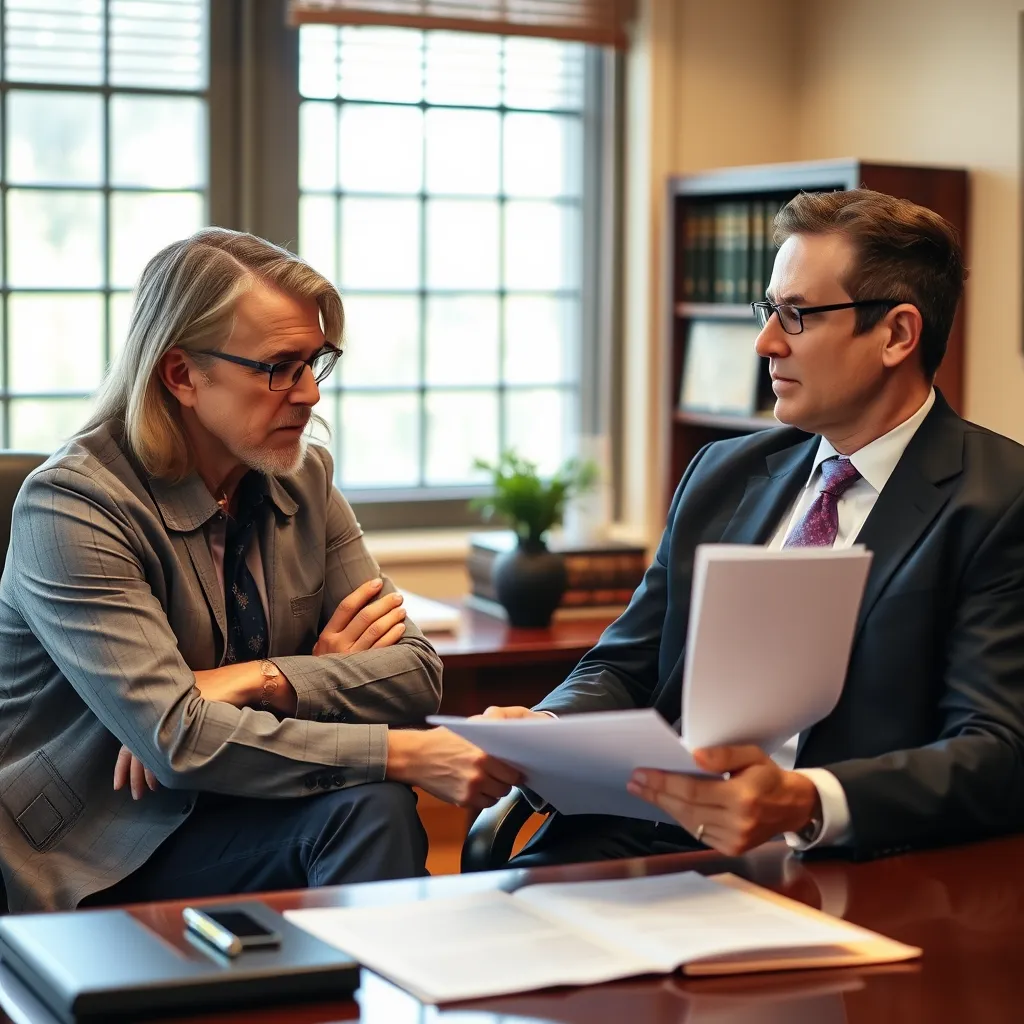
Note: This article is confirmed by Law Offices Of SRIS, P.C.
WRITTEN BY: Mr. Sris
Since 1997, Mr. Sris has led the firm, focusing on the most challenging criminal and family law cases… His background in accounting and information management aids in financial and technology-related cases… Involved in significant legislative changes in Virginia.
Insight: My focus since founding the firm in 1997 has always been directed towards personally handling the most challenging and involved criminal and family law matters our clients face.
Insight: I find my background in accounting and information management provides a unique advantage when handling the intricate financial and technological aspects inherent in many modern legal cases.
Insight: As someone deeply involved in the community, I believe it’s important to not only practice law but also to actively participate in shaping it, which is why I dedicated effort towards amending Virginia Code § 20-107.3 and achieving state recognition for cultural milestones.
Adultery Divorce Lawyer Warrenton VA
What is Adultery Divorce in Virginia
Adultery divorce in Virginia represents a specific legal path where one spouse seeks to end the marriage based on the other spouse’s extramarital relationship. Virginia recognizes adultery as a fault-based ground for divorce, meaning the innocent spouse must prove the adulterous conduct occurred. This differs from no-fault divorce options in Virginia, which don’t require proving misconduct.
The legal definition of adultery in Virginia involves voluntary sexual intercourse between a married person and someone other than their spouse. This definition is specific and doesn’t include emotional affairs or other non-sexual relationships. To succeed with an adultery divorce claim, the innocent spouse must provide clear and convincing evidence of the adulterous relationship.
Virginia law requires specific evidence standards for adultery cases. This typically includes documentation, witness testimony, or other proof that demonstrates the relationship occurred. The court examines whether the evidence meets the clear and convincing standard, which is higher than the preponderance of evidence standard used in many civil cases but lower than the beyond reasonable doubt standard in criminal matters.
Adultery can affect multiple aspects of divorce proceedings. When proven, it may influence property division decisions, potentially giving the innocent spouse a more favorable distribution. It can also impact spousal support determinations, as Virginia courts may consider marital misconduct when awarding alimony. Child custody arrangements might also be affected if the court determines the adulterous relationship negatively impacts the children’s best interests.
Real-Talk Aside: Proving adultery requires substantial evidence. Many cases fail because evidence doesn’t meet Virginia’s strict standards.
How to Prove Adultery in Virginia Divorce
Proving adultery in Virginia divorce cases requires careful evidence collection and presentation. Virginia courts demand clear and convincing evidence that voluntary sexual intercourse occurred between your spouse and someone other than you. This standard means the evidence must be substantially more likely true than not true, creating a firm belief in the court’s mind about the adultery.
Common types of evidence include photographs showing intimate situations, text messages or emails discussing the relationship, hotel receipts, credit card statements showing purchases related to the affair, and social media communications. Witness testimony from people who observed the relationship can also be valuable. Private investigators sometimes gather this evidence, but must follow Virginia’s privacy laws during collection.
Direct evidence of sexual intercourse is rare, so courts often consider circumstantial evidence. This includes proof of opportunity and inclination—showing your spouse had both the chance and desire to commit adultery. Evidence might demonstrate overnight stays, romantic trips, or consistent patterns of behavior suggesting an intimate relationship. The court evaluates whether all evidence together creates a convincing picture of adultery.
Virginia recognizes the defense of condonation, where the innocent spouse forgives or continues cohabiting with the adulterous spouse after learning of the affair. This can bar using adultery as grounds for divorce. Recrimination is another defense where both spouses committed adultery, potentially preventing either from obtaining a divorce on adultery grounds. Understanding these defenses is important when considering an adultery-based divorce.
Real-Talk Aside: Gathering evidence must follow legal guidelines. Illegally obtained evidence may be excluded from court proceedings.
Can I Get Divorced for Adultery in Virginia
Yes, Virginia law permits divorce based on adultery as a fault ground. The innocent spouse must prove the adultery occurred through clear and convincing evidence. Virginia Code § 20-91 establishes adultery as grounds for divorce, along with other fault-based reasons like cruelty, desertion, and felony conviction. Understanding the specific requirements for adultery divorce helps determine if this path suits your situation.
Virginia has specific waiting periods for adultery divorces. If you have corroborating evidence of adultery, you can file immediately. Without corroborating evidence, you typically must wait one year from the date of separation. Corroborating evidence means testimony or proof from someone other than the spouses that supports the adultery claim. This requirement helps prevent false accusations in divorce proceedings.
Adultery affects multiple divorce aspects in Virginia. Property division under Virginia’s equitable distribution laws may consider marital misconduct like adultery. While Virginia courts primarily focus on statutory factors for property division, proven adultery can influence decisions about what constitutes equitable distribution. Spousal support determinations definitely consider adultery, as Virginia law specifically allows courts to deny support to a spouse found guilty of adultery.
Child custody decisions might be affected if the court finds the adultery negatively impacts the children. Virginia courts always prioritize children’s best interests when determining custody and visitation. If the adulterous relationship creates an unstable environment or exposes children to inappropriate situations, this could influence custody arrangements. However, adultery alone doesn’t automatically determine custody outcomes.
Real-Talk Aside: Adultery claims require solid evidence. Without proper proof, your case may face delays or dismissal.
Why Hire Legal Help for Adultery Divorce
Hiring legal help for adultery divorce cases provides important advantages in managing Virginia’s specific legal requirements. An experienced attorney understands the evidence standards needed to prove adultery and can help gather appropriate documentation and testimony. They know what Virginia courts accept as clear and convincing evidence and can advise on evidence collection methods that comply with state laws.
Legal professionals help develop effective strategies for addressing how adultery affects divorce outcomes. They can advise on whether pursuing adultery as grounds makes strategic sense in your situation, considering factors like evidence availability, potential defenses, and how it might impact property division, spousal support, and custody matters. This strategic guidance helps make informed decisions about your case direction.
Attorneys manage the procedural aspects of adultery divorce cases, including filing requirements, court appearances, and negotiations. They understand Virginia’s specific waiting periods and procedural rules for fault-based divorces. This procedural knowledge helps avoid delays and ensures your case moves forward efficiently through the legal system.
Legal representation protects your rights during emotionally charged proceedings. Adultery cases often involve heightened emotions and conflict. An attorney provides objective guidance, helps manage communication between parties, and works to achieve outcomes that protect your interests regarding property, support, and parenting arrangements. They can also address defenses like condonation or recrimination that might affect your case.
Real-Talk Aside: Legal guidance helps avoid common mistakes in adultery cases. Proper evidence handling and strategic decisions matter significantly.
FAQ:
1. What evidence proves adultery in Virginia?
Photographs, communications, witness statements, or admissions showing sexual relationship outside marriage. Evidence must meet clear and convincing standard.
2. How does adultery affect property division?
Virginia courts may consider adultery when dividing marital property. It can influence what constitutes equitable distribution between spouses.
3. Can adultery affect spousal support?
Yes, Virginia law allows courts to deny spousal support to a spouse found guilty of adultery during the marriage.
4. Does adultery impact child custody decisions?
Courts consider children’s best interests. Adultery might affect custody if it negatively impacts the children’s environment or wellbeing.
5. What is the waiting period for adultery divorce?
With corroborating evidence, file immediately. Without it, typically wait one year from separation date in Virginia.
6. Can both spouses use adultery as grounds?
If both committed adultery (recrimination), neither may obtain divorce on adultery grounds in Virginia. Other grounds may apply.
7. What defenses exist against adultery claims?
Condonation (forgiveness after learning) and recrimination (both spouses adulterous) are common defenses in Virginia adultery cases.
8. Do I need a private investigator?
Not always required. An attorney can advise if investigation is needed and ensure evidence collection follows Virginia laws.
9. How long do adultery divorce cases take?
Timing varies based on evidence challenge, court schedules, and whether the case settles or goes to trial in Virginia.
10. Can emotional affairs qualify as adultery?
No, Virginia requires proof of voluntary sexual intercourse. Emotional relationships without sexual contact don’t meet legal definition.
11. What if my spouse admits to adultery?
Admissions can serve as evidence. An attorney can help document admissions properly for court proceedings in Virginia.
12. How much does adultery divorce cost?
Costs vary based on case challenge, evidence needs, and whether the case settles or requires trial proceedings.
Past results do not predict future outcomes