
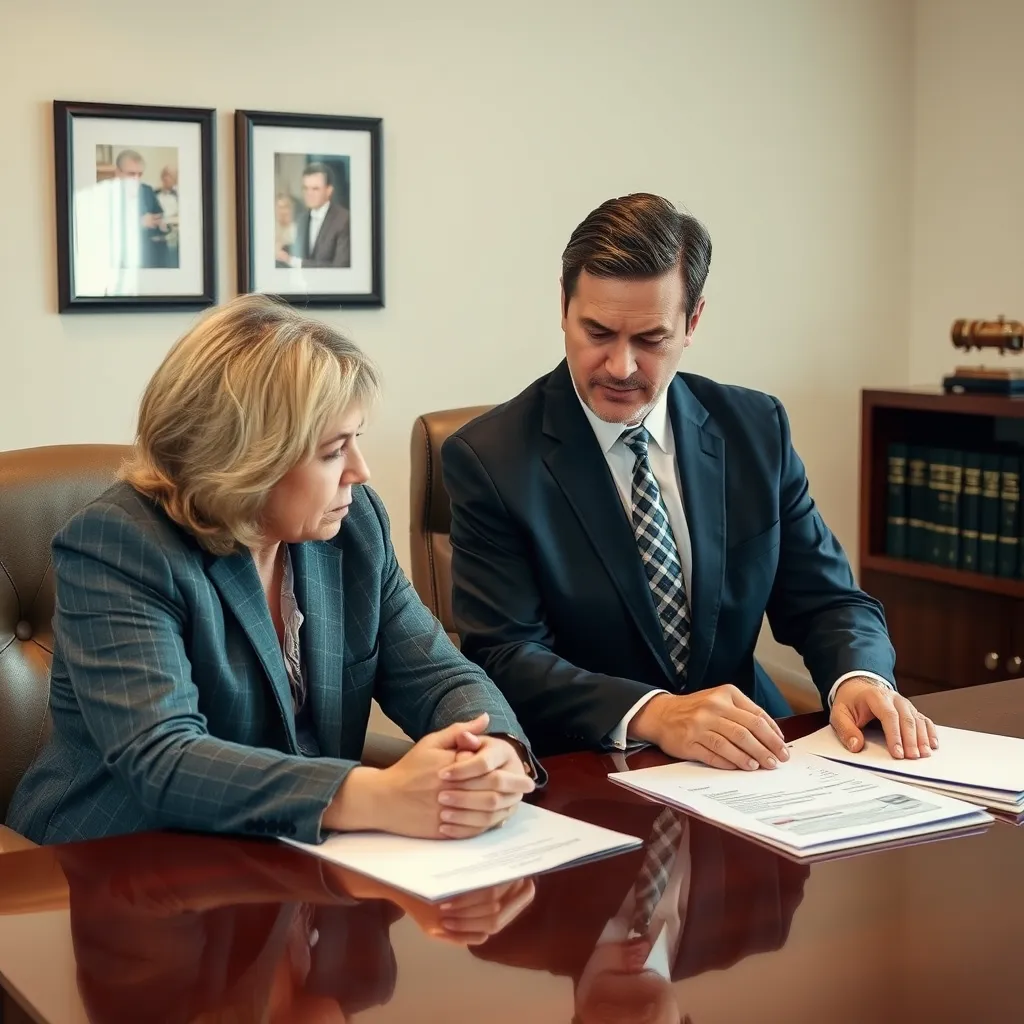
Note: This article is confirmed by Law Offices Of SRIS, P.C.
WRITTEN BY: Mr. Sris
Since 1997, Mr. Sris has led the firm, focusing on the most challenging criminal and family law cases… His background in accounting and information management aids in financial and technology-related cases… Involved in significant legislative changes in Virginia.
Insight: My focus since founding the firm in 1997 has always been directed towards personally handling the most challenging and involved criminal and family law matters our clients face.
Insight: I find my background in accounting and information management provides a unique advantage when handling the intricate financial and technological aspects inherent in many modern legal cases.
Insight: As someone deeply involved in the community, I believe it’s important to not only practice law but also to actively participate in shaping it, which is why I dedicated effort towards amending Virginia Code § 20-107.3 and achieving state recognition for cultural milestones.
Desertion Divorce Lawyer Warrenton VA
What is Desertion Divorce
Desertion divorce represents a fault-based ground for ending a marriage in Virginia. This legal concept applies when one spouse voluntarily leaves the marital relationship without proper justification or consent from the other spouse. The departing spouse must demonstrate intent to permanently end the marital relationship through their actions and continued absence.
Virginia law establishes specific requirements for proving desertion. The leaving must be voluntary, without mutual agreement, and the departing spouse must show intent to abandon the marriage. The remaining spouse cannot have consented to the separation or provided justification for the departure. Time requirements vary based on circumstances, with different statutory periods applying to different situations.
The legal process involves gathering evidence to demonstrate the essential elements. Documentation showing the departure date, communications indicating intent to end the marriage, and proof of continued separation all contribute to establishing desertion. Financial records, witness statements, and correspondence can support the case. Proper documentation helps demonstrate the voluntary nature of the departure and the intent behind it.
Legal representation assists in addressing the procedural requirements. Filing appropriate paperwork, meeting evidentiary standards, and following court procedures require careful attention. Understanding how to present evidence effectively and respond to potential defenses helps in pursuing a desertion-based divorce. Each case presents unique considerations that benefit from professional guidance.
Real-Talk Aside: Desertion cases require clear evidence of intent and continuous separation. Without proper documentation, proving abandonment becomes significantly more difficult.
How to Address Abandonment Divorce
Addressing abandonment divorce begins with understanding Virginia’s legal framework. The process requires establishing that one spouse left without justification and with intent to permanently end the marriage. Documentation starts from the departure date, recording all relevant details about the circumstances surrounding the leaving. This initial documentation forms the foundation for the legal case.
Evidence collection focuses on demonstrating intent and continuous separation. Communications between spouses, financial records showing separate living arrangements, and witness statements can all contribute to proving abandonment. Documentation should show the departing spouse’s actions indicating intent to end the marital relationship. Evidence of refusal to reconcile or return to the marital home strengthens the case.
Legal filing involves preparing and submitting appropriate documents to the court. The complaint for divorce must clearly state desertion as the grounds and provide supporting facts. Required documents include affidavits, financial disclosures, and evidence supporting the desertion claim. Proper filing ensures the court has necessary information to consider the case.
Court proceedings may involve presenting evidence and responding to defenses. The remaining spouse must demonstrate the essential elements of desertion while addressing any claims of justification or consent. Understanding procedural rules and evidentiary standards helps in presenting a compelling case. Professional guidance assists in managing these legal requirements effectively.
Real-Talk Aside: The burden of proof rests with the spouse claiming desertion. Without clear evidence of intent and continuous separation, the court may not grant a divorce on abandonment grounds.
Can I Pursue Marital Abandonment Claims
Pursuing marital abandonment claims requires meeting Virginia’s legal standards. The first consideration involves the voluntary nature of the departure. The leaving must be without coercion or external necessity forcing the separation. The departing spouse must have chosen to leave without valid justification recognized by law. This voluntary aspect distinguishes desertion from other types of separation.
Intent to end the marital relationship represents another essential element. The departing spouse’s actions and statements must demonstrate purpose to permanently abandon the marriage. This intent can be shown through communications, living arrangements, and refusal to reconcile. Evidence should establish that the leaving was not temporary or for practical reasons but represented a decision to end the marital relationship.
Continuous separation for the statutory period is required. Virginia law specifies different time requirements based on circumstances. The separation must be uninterrupted and without reconciliation attempts that restart the time period. Documentation showing the continuous nature of the separation helps establish this requirement. Any breaks in separation or reconciliation attempts affect the time calculation.
Legal considerations include potential defenses and counterclaims. The departing spouse may claim justification or consent from the remaining spouse. Understanding these potential challenges helps in preparing the case effectively. Professional evaluation of the specific facts and circumstances provides guidance on pursuing marital abandonment claims.
Real-Talk Aside: Time requirements vary, and any reconciliation resets the clock. Consistent separation documentation is vital for successful abandonment claims.
Why Hire Legal Help for Desertion Cases
Hiring legal help for desertion cases offers several advantages in addressing Virginia’s specific legal requirements. Professional guidance begins with evaluating whether the situation meets the legal definition of desertion. This assessment considers the voluntary nature of departure, intent evidence, and separation duration. Understanding these elements helps determine the viability of pursuing desertion grounds.
Evidence collection and organization benefit from legal experience. Attorneys understand what types of evidence courts typically consider persuasive in desertion cases. They can help gather communications, financial records, witness statements, and other documentation demonstrating intent and continuous separation. Proper evidence presentation increases the likelihood of successfully proving desertion grounds.
Procedural requirements present another area where legal help proves valuable. Filing deadlines, document preparation, and court procedures require careful attention to detail. Missing requirements or improper filings can delay proceedings or affect case outcomes. Legal representation ensures all procedural aspects receive proper attention according to Virginia law.
Addressing potential defenses and counterclaims represents another important consideration. The departing spouse may raise arguments about justification, consent, or reconciliation attempts. Legal help prepares responses to these potential challenges, developing strategies to address them effectively. This preparation supports stronger case presentation and management of legal proceedings.
Real-Talk Aside: Desertion cases involve specific proof requirements that differ from no-fault divorces. Professional guidance helps meet these standards effectively.
FAQ:
1. What constitutes desertion in Virginia divorce law?
Desertion requires voluntary departure without consent, intent to end the marriage, and continuous separation for the statutory period.
2. How long must separation last for desertion grounds?
Time requirements vary based on circumstances, with different statutory periods applying to different situations under Virginia law.
3. What evidence proves intent to abandon the marriage?
Communications, living arrangements, financial records, and refusal to reconcile can demonstrate intent to permanently end the marital relationship.
4. Can consent affect desertion claims?
If the remaining spouse consented to the separation, it may affect the ability to claim desertion as grounds for divorce.
5. What defenses exist against desertion claims?
Defenses may include justification for leaving, consent from the other spouse, or claims of reconciliation during separation.
6. How does desertion affect property division?
Fault grounds like desertion may influence property division considerations, though Virginia primarily uses equitable distribution principles.
7. Can desertion claims affect child custody decisions?
Abandonment may factor into custody determinations as part of evaluating parental fitness and commitment to child welfare.
8. What if the departing spouse returns temporarily?
Temporary returns or reconciliation attempts may reset the separation period required for desertion grounds.
9. How do I document desertion for legal purposes?
Document departure dates, communications, financial arrangements, and continuous separation through records and evidence collection.
10. What time limits apply to filing desertion divorce?
Virginia has specific filing requirements and time frames that apply to desertion-based divorce proceedings.
Past results do not predict future outcomes