
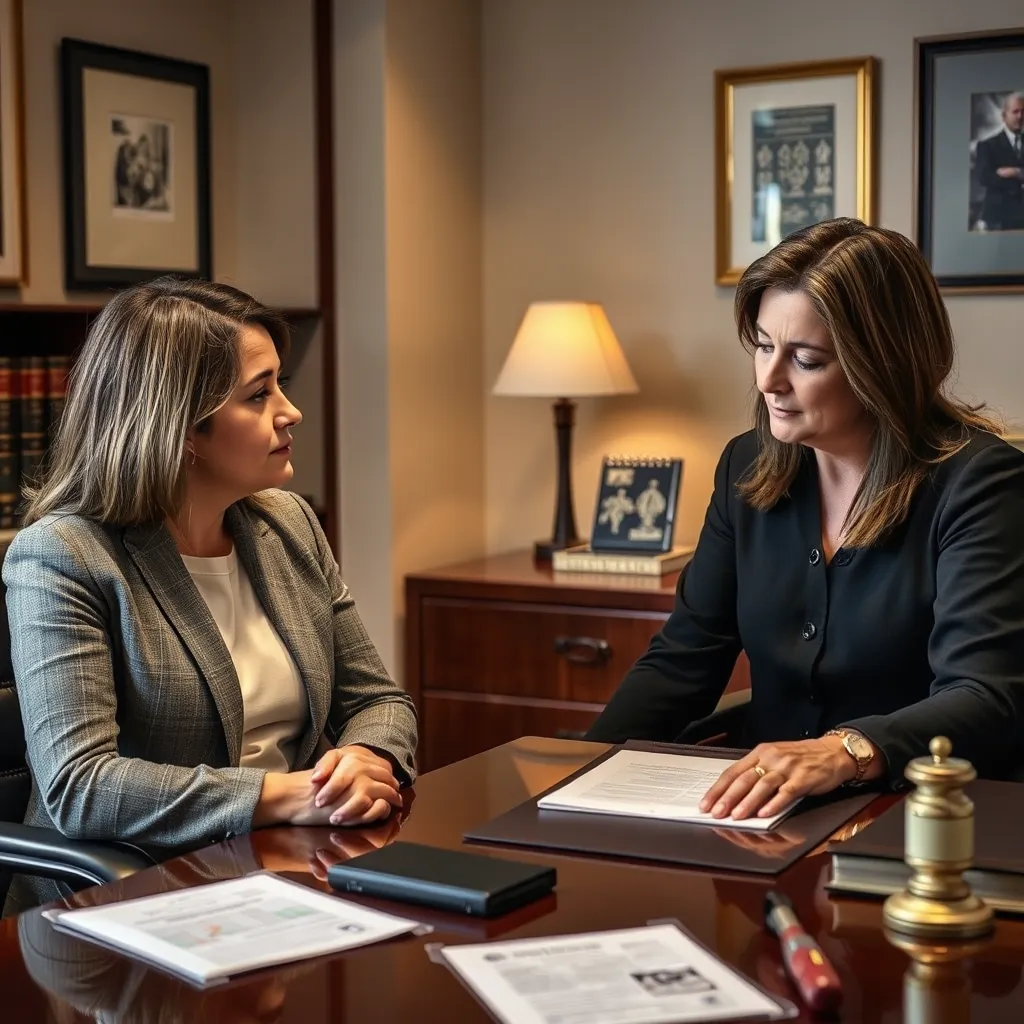
Note: This article is confirmed by Law Offices Of SRIS, P.C.
WRITTEN BY: Mr. Sris
Since 1997, Mr. Sris has led the firm, focusing on the most challenging criminal and family law cases. His background in accounting and information management aids in financial and technology-related cases. Involved in significant legislative changes in Virginia. Mr. Sris is licensed in Virginia, Maryland, District of Columbia, New Jersey, and New York.
Divorce Decree Modification Lawyer Centreville VA
What is Divorce Decree Modification
Modification of divorce decrees refers to the legal process of changing terms established in a final divorce judgment. When life circumstances evolve significantly, the original agreements may no longer serve the parties’ best interests. Virginia courts recognize that situations change over time and allow for adjustments through proper legal channels.
The process begins with identifying which aspects of the divorce decree need adjustment. Child custody and visitation arrangements often require modification as children grow older and their needs change. Financial support obligations may need revision when income levels shift substantially. Property division terms might require adjustment if assets were not properly disclosed or valued during the original proceedings.
Virginia law establishes specific requirements for modification requests. The party seeking changes must demonstrate substantial change in circumstances since the original order was entered. This standard prevents frequent or unnecessary modifications while allowing necessary adjustments. Evidence must show that the change is significant and not merely temporary or minor.
Legal procedures for modification involve filing formal petitions with the court that issued the original divorce decree. Documentation must support the requested changes, including financial records, medical reports, or other relevant evidence. The court schedules hearings where both parties present their positions. Judges consider the best interests of any children involved and fairness between the parties.
Real-Talk Aside: Modifications aren’t automatic just because you want changes. Courts require solid evidence that circumstances have genuinely changed since your divorce was finalized.
How to Modify a Divorce Decree
The modification process follows established legal procedures in Virginia courts. First, determine whether your situation meets the substantial change requirement. Common qualifying changes include significant income increases or decreases, job loss, medical conditions requiring different arrangements, relocation affecting custody or visitation, or children reaching different developmental stages with new needs.
Documentation preparation is vital for successful modification requests. Collect evidence supporting the claimed changes. Financial modifications require recent pay stubs, tax returns, employment verification, or business income statements. Custody modifications need school records, medical reports, or documentation of scheduling conflicts. Support the request with clear, organized evidence showing why current arrangements no longer work.
Filing procedures involve submitting formal legal documents to the appropriate court. The petition must specify which parts of the divorce decree you seek to modify and the reasons for each requested change. Virginia courts require proper service of documents to the other party, giving them opportunity to respond. Filing fees apply, though fee waivers may be available for qualifying individuals.
Court hearings provide opportunity to present your case. Both parties may present evidence, call witnesses, and make legal arguments. Judges consider the presented information against legal standards. For child-related modifications, the court focuses on children’s best interests. Financial modifications consider fairness and ability to pay. The judge issues a decision either granting, denying, or modifying the requested changes.
Post-hearing procedures involve implementing court orders. If modifications are granted, the new terms become legally binding. Both parties must comply with the modified decree. Enforcement mechanisms exist if one party fails to follow the new terms. Documentation of the modified order should be kept with important legal papers.
Real-Talk Aside: Proper documentation makes or breaks modification cases. Courts need concrete evidence, not just your word that things have changed.
Can I Modify Child Support After Divorce
Child support modifications follow specific legal guidelines in Virginia. The state’s child support guidelines provide formulas for calculating appropriate support amounts based on parents’ incomes, number of children, custody arrangements, and other factors. When circumstances change significantly, these calculations may yield different results, justifying modification requests.
Income changes represent the most common reason for child support modifications. Substantial increases or decreases in either parent’s income can trigger review of support obligations. Job loss, career advancement, business success or failure, disability, or retirement may all qualify as substantial changes. Documentation must show the income change is significant and likely to continue, not temporary fluctuation.
Medical and educational expenses can justify modifications. Unanticipated medical conditions requiring extensive treatment may increase financial needs. Special educational requirements or private school tuition not anticipated in the original order might warrant adjustment. These expenses must be documented and shown to be necessary for the child’s well-being.
Custody arrangement changes affect child support calculations. Virginia’s guidelines consider the amount of time each parent spends with the child. If parenting time significantly increases or decreases, support amounts may need adjustment. Documentation of actual time spent, not just theoretical schedules, supports these modification requests.
The modification process for child support involves specific calculations. Current income information for both parents must be provided. The court applies Virginia’s guidelines to determine if the existing order differs substantially from what current circumstances warrant. A difference of a certain percentage typically qualifies for modification.
Real-Talk Aside: Support modifications require more than minor income changes. Virginia looks for substantial, ongoing differences that significantly affect support calculations.
Why Hire Legal Help for Modification
Professional legal assistance provides significant advantages in modification proceedings. Virginia’s legal system involves specific rules, procedures, and standards that can be difficult to handle without training. Lawyers understand what constitutes substantial change under Virginia law and how to present evidence effectively to meet legal requirements.
Documentation preparation benefits from legal experience. Attorneys know what evidence courts find persuasive and how to organize materials for maximum impact. They help gather financial records, medical reports, school documents, and other evidence supporting modification requests. Proper documentation presentation can make the difference between approval and denial of requested changes.
Legal strategy development considers multiple factors. Experienced lawyers assess the strength of modification requests, potential counterarguments from the other party, and likely court responses. They develop approaches that address legal standards while advancing client interests. Strategic thinking includes considering negotiation possibilities before court hearings.
Court procedure knowledge prevents technical errors. Filing deadlines, document formatting requirements, service rules, and hearing procedures must be followed precisely. Mistakes in these areas can delay proceedings or result in dismissal of requests. Legal representation ensures all procedural requirements are met correctly.
Negotiation skills may resolve matters without court hearings. Lawyers can communicate with the other party’s representation to explore agreement possibilities. Settled modifications avoid court time and expense while still achieving necessary changes. When agreements cannot be reached, attorneys prepare for contested hearings.
Ongoing legal relationship provides continuity. If future modifications become necessary, having established legal representation simplifies the process. Lawyers familiar with your situation can more efficiently handle subsequent requests. This continuity helps manage family legal matters over time.
Real-Talk Aside: Trying to handle modifications alone often leads to procedural mistakes. Legal help ensures your case gets proper consideration under Virginia law.
FAQ:
1. What qualifies as substantial change for modification?
Income changes over 15%, relocation, medical conditions, or children’s needs changing significantly.
2. How long does modification take in Virginia?
Typically 2-4 months depending on court schedules and whether the other party contests the request.
3. Can I modify property division after divorce?
Property division modifications are rare and require showing fraud or asset concealment in original proceedings.
4. What if my ex-spouse agrees to modifications?
Agreed modifications still require court approval to become legally binding and enforceable.
5. How much does modification cost?
Costs vary based on case challenge, typically involving court fees and legal representation expenses.
6. Can custody be modified without income changes?
Yes, custody modifications can be based on children’s needs, relocation, or parenting time changes alone.
7. What evidence do I need for support modification?
Recent pay stubs, tax returns, expense documentation, and evidence of changed circumstances.
8. Can modifications be temporary?
Some modifications can be temporary, such as during job transition periods or medical treatment.
9. What if my ex-spouse violates modified terms?
Violations can be addressed through enforcement actions in court, potentially including contempt proceedings.
10. How often can I request modifications?
Virginia law doesn’t limit frequency but requires showing new substantial changes since the last order.
11. Do I need a lawyer for agreed modifications?
Legal advice is recommended even for agreed changes to ensure proper documentation and court approval.
12. What happens if modification is denied?
The original divorce decree terms remain in effect unless and until successful modification occurs.
Past results do not predict future outcomes