
Note: This article is confirmed by Law Offices Of SRIS, P.C.
AUTHOR BIO:WRITTEN BY
Mr. Sris is the Founder, CEO & Principal Attorney at Law Offices Of SRIS, P.C. Since 1997, he has led the firm, focusing on the most challenging criminal and family law cases. His background in accounting and information management aids in financial and technology-related cases. He has been involved in significant legislative changes in Virginia.
Postnuptial Agreement Lawyer Henrico VA
What is a postnuptial agreement
Postnuptial agreements serve as legal documents that married couples use to establish financial arrangements after their wedding. Unlike prenuptial agreements made before marriage, these contracts are created while the marriage is ongoing. They define how property, assets, and debts would be distributed if the relationship ends through divorce or separation.
These agreements typically cover various financial aspects including real estate holdings, investment accounts, retirement funds, business interests, and personal property. They can also address debt responsibility, spousal support arrangements, and inheritance rights. The primary purpose is to provide certainty about financial matters that might otherwise become contentious if the marriage dissolves.
Virginia law recognizes postnuptial agreements when they meet specific legal requirements. The agreement must be in writing and signed by both parties. Full financial disclosure is essential – each spouse must honestly reveal all assets, debts, and income. Both parties should have independent legal representation to ensure fairness and understanding of the agreement’s terms.
Creating a postnuptial agreement involves several steps. First, both spouses discuss what they want the agreement to accomplish. Then they gather complete financial information including bank statements, property deeds, investment records, and debt documentation. Legal counsel reviews this information and drafts the agreement based on Virginia law requirements. After review and possible revisions, both parties sign the document with proper witnesses.
How to create a valid postnuptial agreement
The process for establishing a legally valid postnuptial agreement in Virginia follows specific requirements that must be carefully observed. The foundation of any enforceable agreement begins with comprehensive financial transparency. Both spouses must provide complete and accurate information about all assets, income sources, debts, and financial obligations. This disclosure should include bank accounts, investment portfolios, real estate holdings, business interests, retirement accounts, and any other financial matters.
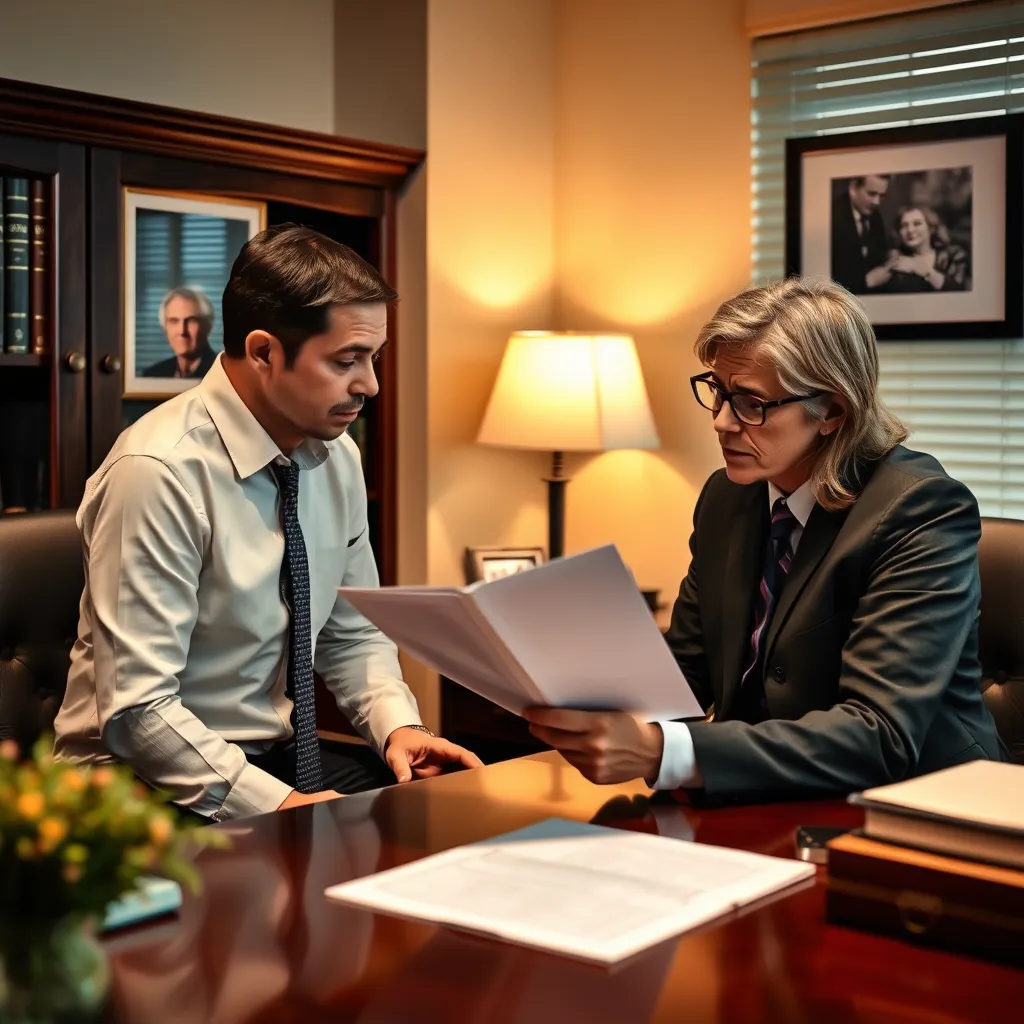
Independent legal representation represents a vital component of the process. Each spouse should consult with their own attorney who can explain the agreement’s implications and ensure their client’s rights are protected. This separation of counsel helps prevent claims of coercion or misunderstanding later. The attorneys review the financial disclosures, draft appropriate language, and negotiate terms that serve their respective clients’ interests while remaining fair to both parties.
Virginia law requires that postnuptial agreements be entered into voluntarily without pressure or duress. The timing of the agreement matters – courts may question agreements created during marital strife or immediately before separation discussions. Both parties should have adequate time to review the document, ask questions, and consider the implications before signing.
The written agreement must be clear and specific in its terms. Vague language or ambiguous provisions can lead to disputes about interpretation. The document should address all relevant financial matters including property division, debt allocation, spousal support considerations, and inheritance rights. It should also include provisions for how the agreement might be modified or terminated in the future.
Proper execution involves signing the agreement before witnesses and potentially having it notarized. While notarization isn’t always legally required in Virginia, it provides additional evidence that the signatures are genuine. Both parties should retain copies of the signed agreement along with all supporting financial documentation.
Can I modify or challenge a postnuptial agreement
Modifying an existing postnuptial agreement requires mutual consent from both spouses and proper legal procedures. Changes typically involve creating an amendment or entirely new agreement that addresses the revised terms. Both parties must follow the same legal requirements as the original agreement – complete financial disclosure, independent legal counsel, and voluntary participation. The modification should be in writing, signed, and witnessed just like the initial contract.
Common reasons for modification include significant changes in financial circumstances, the birth of children, career changes, or shifts in marital dynamics. Some agreements include specific provisions about how and when modifications can occur. Even without such provisions, spouses can mutually agree to update their agreement as circumstances evolve.
Challenging a postnuptial agreement involves asking a court to invalidate some or all of its provisions. Virginia courts generally uphold these agreements when properly created, but certain circumstances can lead to successful challenges. Fraud or misrepresentation represents one common ground for challenge – if one spouse hid assets, misstated financial information, or otherwise deceived the other party about important facts.
Lack of proper financial disclosure can invalidate an agreement. Virginia law requires full and fair disclosure of all assets and debts. If one spouse failed to provide complete information or the disclosure was insufficient for making an informed decision, a court may set aside the agreement. The adequacy of disclosure depends on what a reasonable person would need to understand the financial implications.
Duress or coercion represents another potential challenge. If one spouse pressured the other into signing through threats, intimidation, or taking advantage of vulnerable circumstances, a court may find the agreement invalid. The timing of the agreement matters – agreements created during marital crisis or immediately before separation discussions may face greater scrutiny.
Unconscionable terms can also lead to challenges. If the agreement is grossly unfair or one-sided to the point of being oppressive, a court may refuse to enforce it. However, mere inequality isn’t enough – the terms must be so one-sided that they shock the conscience given the circumstances at the time of signing.
Why hire legal help for postnuptial agreements
Professional legal assistance provides significant advantages when creating postnuptial agreements. Attorneys familiar with Virginia family law understand the specific requirements that make these agreements enforceable. They guide clients through the necessary steps including proper financial disclosure, fair negotiation processes, and correct documentation. This professional guidance helps prevent common errors that could undermine the agreement’s validity if challenged later.
Legal counsel helps identify issues that couples might overlook when drafting agreements independently. Attorneys consider various scenarios including changes in financial circumstances, career developments, health issues, and family changes. They draft language that addresses these possibilities while remaining clear and enforceable under Virginia law. This forward-thinking approach creates agreements that remain effective as circumstances evolve over time.
The negotiation process benefits from legal representation that maintains professionalism while advocating for clients’ interests. Attorneys facilitate discussions about sensitive financial matters, helping couples communicate effectively about potentially difficult topics. They ensure both parties understand the agreement’s implications and make informed decisions. This professional mediation can actually strengthen marital communication about financial matters.
Virginia courts scrutinize postnuptial agreements carefully when presented during divorce proceedings. Agreements created with legal assistance typically withstand this scrutiny better than those drafted without professional help. Attorneys ensure proper execution including witness requirements, notarization when appropriate, and complete documentation of the financial disclosure process. They also maintain records that can demonstrate the agreement’s validity if questioned later.
Legal help extends beyond document creation to include advice about how the agreement interacts with other legal matters. Attorneys consider estate planning implications, tax consequences, and relationships with other financial documents. They ensure consistency across all legal arrangements to prevent conflicts between different agreements or documents.
FAQ:
What makes a postnuptial agreement valid in Virginia?
Virginia requires written agreements with full financial disclosure from both spouses. Each party should have independent legal counsel to ensure understanding and fairness.
How much does a postnuptial agreement cost?
Costs vary based on challenge and attorney rates. Most agreements involve several hours of legal work for document preparation, review, and financial analysis.
Can a postnuptial agreement address child custody?
Virginia courts don’t enforce custody provisions in these agreements. Child custody decisions are made based on children’s best interests at the time of separation.
What happens if we don’t disclose all assets?
Incomplete disclosure can invalidate the entire agreement. Virginia courts require complete honesty about all financial matters for enforcement.
Can we create our own agreement without lawyers?
While possible, self-drafted agreements often contain errors that make them unenforceable. Legal guidance helps avoid common mistakes.
How long does the process take?
The timeline depends on challenge and how quickly both spouses provide financial information. Most agreements take several weeks to complete properly.
What financial information must be shared?
Both spouses must disclose all assets, debts, income sources, and financial obligations. This includes bank accounts, investments, property, and business interests.
Can we change the agreement later?
Yes, with mutual consent and proper legal procedures. Changes require the same formalities as the original agreement.
What if one spouse refuses to sign?
Postnuptial agreements require both spouses’ voluntary participation. If one refuses, there’s no agreement unless terms are negotiated differently.
Do these agreements affect divorce proceedings?
Properly created agreements control asset division and financial matters during divorce, simplifying those aspects of the process.
What’s the difference from a prenuptial agreement?
Prenuptial agreements are created before marriage, while postnuptial agreements are made after the wedding has already occurred.
Are there time limits on when to create one?
No specific time limits exist, but agreements created during marital strife may face greater scrutiny about voluntariness.
Past results do not predict future outcomes
If you want to see how a Henrico case fits into the wider process, our page on postnuptial agreement lawyer Henrico County covers it from start to finish.