
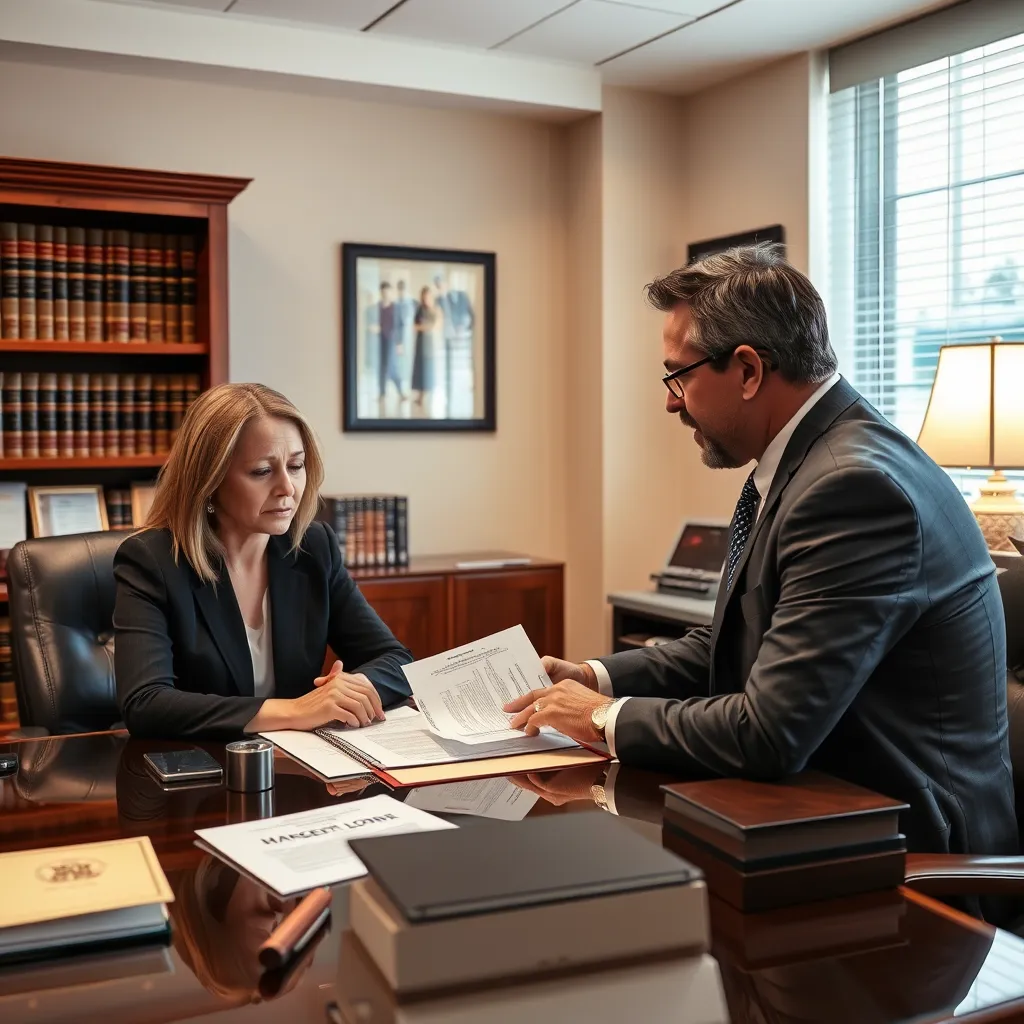
Note: This article is confirmed by Law Offices Of SRIS, P.C.
AUTHOR BIO:WRITTEN BY
Since 1997, Mr. Sris has led the firm, focusing on the most challenging criminal and family law cases. His background in accounting and information management aids in financial and technology-related cases. Involved in significant legislative changes in Virginia.
Visitation Enforcement Lawyer Culpeper VA
What is Visitation Enforcement
Visitation enforcement refers to legal procedures used when a parent does not comply with court-ordered parenting time. These orders establish specific schedules for children to spend time with each parent. When one parent prevents the other from exercising their visitation rights, enforcement actions become necessary. The court system provides mechanisms to address these violations.
The enforcement process typically begins with documenting each instance of denied visitation. Records should include dates, times, and specific circumstances. This documentation becomes evidence in legal proceedings. Parents may attempt mediation or negotiation before pursuing formal enforcement. If informal methods fail, legal action becomes the next step.
Courts have several options for addressing visitation violations. They can issue orders to compel compliance, modify existing arrangements, or impose penalties. Contempt of court proceedings may result in fines, community service, or even jail time. In severe cases, courts may adjust custody arrangements to protect the child’s interests. The specific approach depends on the circumstances and history of violations.
Legal professionals understand the procedural requirements for enforcement actions. They prepare necessary documentation, file appropriate motions, and represent clients in court. Their knowledge helps ensure proper legal standards are met. This professional guidance increases the likelihood of successful enforcement while minimizing unnecessary conflict.
How to Enforce Visitation Orders
The enforcement process follows established legal procedures. First, maintain detailed records of each visitation denial. Include dates, planned visitation times, communication attempts, and reasons given for denial. This documentation creates a clear pattern of violations. Keep copies of all relevant court orders and communication. Organized records strengthen your position in legal proceedings.
Before filing formal motions, consider alternative dispute resolution. Mediation can sometimes resolve issues without court intervention. Many jurisdictions require mediation attempts before enforcement actions. A neutral mediator helps parents discuss concerns and find solutions. If mediation fails or is inappropriate given the circumstances, proceed to legal action.
File a motion for enforcement with the court that issued the original order. This legal document outlines the violations and requests specific relief. Include your documentation as exhibits. The court will schedule a hearing where both parties present their positions. Be prepared to explain how violations affect the child and your relationship. The judge considers the child’s best interests when deciding enforcement measures.
If the court finds violations occurred, it may order various remedies. These can include make-up visitation time, modified schedules, or penalties for the non-compliant parent. In persistent cases, courts may consider changing custody arrangements. Follow through with all court directives and continue documenting compliance or further violations. Consistent enforcement maintains the integrity of court orders.
Can I Modify Visitation Orders
Visitation orders are not permanent and can be modified when circumstances warrant changes. The legal standard requires showing a substantial change in circumstances since the original order. This change must affect the child’s best interests. Courts do not modify orders lightly, as stability benefits children. However, legitimate changes in family situations may justify adjustments.
Common reasons for modification include parental relocation, changes in work schedules, child’s educational needs, or health concerns. If one parent consistently violates the current order, that pattern may support modification. The child’s age and developmental changes can also justify schedule adjustments. Safety concerns, such as evidence of neglect or abuse, are compelling reasons for modification.
The modification process begins with filing a petition with the court. This document explains the changed circumstances and proposed new arrangements. Both parents have the opportunity to present their positions. Courts may order mediation or evaluation before making decisions. The judge considers all factors affecting the child’s welfare. The burden is on the requesting parent to demonstrate why modification serves the child’s interests.
When requesting modification, propose specific, reasonable changes. Consider how adjustments affect the child’s routine, education, and relationships. Be prepared to explain how the new arrangement improves upon the current one. Courts look for practical solutions that minimize disruption. Professional legal assistance helps present your case effectively and handle procedural requirements.
Why Hire Legal Help for Visitation Issues
Visitation issues involve involved legal procedures and emotional challenges. Professional legal assistance provides several important benefits. First, attorneys understand the specific requirements of family law courts. They know what documentation courts require, how to properly file motions, and what arguments judges find persuasive. This knowledge helps avoid procedural mistakes that could delay or undermine your case.
Legal professionals objectively assess your situation and recommend appropriate strategies. They can identify whether enforcement, modification, or alternative approaches best serve your goals. Attorneys help gather and organize evidence effectively. They prepare legal documents that clearly present your position. This professional preparation increases the likelihood of favorable outcomes while reducing stress.
Court proceedings involve specific rules and protocols. Attorneys represent you during hearings, presenting arguments and examining witnesses when necessary. They understand how to respond to opposing arguments and judicial questions. This representation ensures your position receives proper consideration. Attorneys also handle negotiations with the other party’s counsel, which can sometimes resolve issues without court intervention.
The emotional aspects of visitation disputes can cloud judgment. Legal professionals maintain objective focus on legal strategies and child welfare considerations. They help you understand realistic expectations and potential outcomes. This guidance supports informed decision-making throughout the process. While attorneys cannot guarantee specific results, their experience provides valuable perspective on likely scenarios.
FAQ:
What happens if my ex denies visitation?
Document each denial and contact an attorney. Courts can enforce orders through various measures including make-up time or penalties.
How long does enforcement take?
Timelines vary by court schedule and case challenge. Initial filings typically lead to hearings within weeks to months.
Can I withhold child support if visitation is denied?
No, these are separate legal matters. Address visitation issues through proper channels while maintaining support obligations.
What evidence do I need for enforcement?
Keep records of denied visits, communication attempts, court orders, and any reasons given for denial.
Can visitation be supervised due to enforcement issues?
Yes, courts may order supervised visitation if there are concerns about compliance or child safety.
What if my work schedule changes?
Request modification through proper court procedures. Document how changes affect your ability to follow current orders.
How much does enforcement cost?
Costs vary based on case challenge and attorney fees. Some courts may award fees to the prevailing party.
Can grandparents seek enforcement?
Grandparents with court-ordered visitation rights can pursue enforcement through similar legal procedures.
What if my child refuses visitation?
Courts consider the child’s age and reasons. Older children’s preferences may influence but not determine arrangements.
How do relocation requests affect visitation?
Relocation often requires modification. Courts balance moving benefits against maintaining child-parent relationships.
Can enforcement affect custody decisions?
Persistent violations may influence future custody determinations as courts consider compliance history.
What alternatives exist to court enforcement?
Mediation, parenting coordination, or revised agreements may resolve issues without formal court action.
Past results do not predict future outcomes
If you want to see how a Culpeper case fits into the wider process, our page on visitation enforcement lawyer Culpeper County covers it from start to finish.