
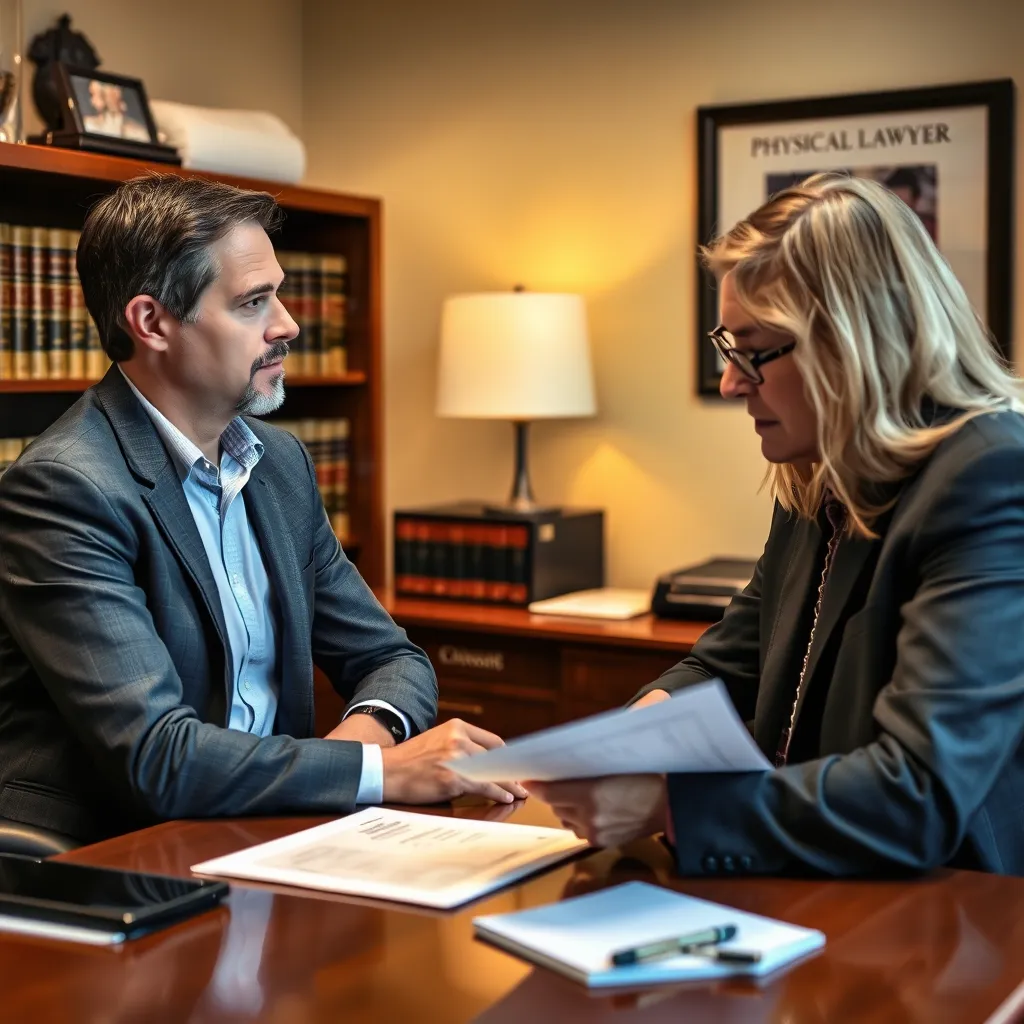
Note: This article is confirmed by Law Offices Of SRIS, P.C.
WRITTEN BY: Mr. Sris
Since 1997, Mr. Sris has led the firm, focusing on the most challenging criminal and family law cases… His background in accounting and information management aids in financial and technology-related cases… Involved in significant legislative changes in Virginia.
Insight: My focus since founding the firm in 1997 has always been directed towards personally handling the most challenging and involved criminal and family law matters our clients face.
Insight: I find my background in accounting and information management provides a unique advantage when handling the intricate financial and technological aspects inherent in many modern legal cases.
Insight: As someone deeply involved in the community, I believe it’s important to not only practice law but also to actively participate in shaping it, which is why I dedicated effort towards amending Virginia Code § 20-107.3 and achieving state recognition for cultural milestones.
Physical Custody Lawyer Culpeper VA
What is Physical Custody in Culpeper County
Physical custody involves determining where a child will live and which parent will handle daily responsibilities. In Culpeper County, Virginia, family courts examine multiple factors to establish arrangements that support children’s wellbeing. These decisions affect where children attend school, their daily routines, and their access to community resources.
The legal process begins with filing appropriate paperwork with the Culpeper County Juvenile and Domestic Relations District Court. Parents must provide information about their living situations, work schedules, and ability to care for children. Courts review this information alongside any relevant evidence regarding parental fitness and home environments.
Virginia law emphasizes the child’s best interests as the primary consideration. Judges evaluate factors including parental cooperation, geographic proximity, and each parent’s involvement in the child’s life. The goal is to establish stable, consistent living arrangements that minimize disruption to the child’s routine.
Legal representation helps ensure proper documentation and presentation of relevant factors. Attorneys familiar with Culpeper County procedures can guide parents through required filings and court appearances. They help develop parenting plans that address physical custody while considering practical aspects of daily life.
How to Address Temporary Custody Matters
Temporary custody arrangements serve as interim solutions during divorce proceedings or when parents cannot agree on living arrangements. In Culpeper County, these orders provide immediate structure while courts gather information for permanent decisions. Temporary orders typically address where children will live, visitation schedules, and financial support during the interim period.
To obtain temporary custody orders, parents must file appropriate motions with the Culpeper County court. These filings should explain why temporary arrangements are necessary and how they serve the child’s immediate needs. Common reasons include school enrollment deadlines, medical treatment requirements, or safety concerns that cannot wait for final resolution.
The court reviews temporary custody requests based on available information about parental circumstances and children’s needs. Judges consider factors like current living situations, parental work schedules, and children’s school and activity commitments. Temporary orders remain in effect until modified by agreement or replaced by final custody decisions.
Legal assistance helps ensure temporary arrangements properly address immediate concerns while positioning parents favorably for permanent decisions. Attorneys help draft parenting plans that establish clear expectations and minimize conflict during the interim period. They also ensure temporary orders comply with Virginia legal requirements and court procedures.
Can I Modify Legal Custody Arrangements
Legal custody modifications become necessary when family circumstances change substantially after initial custody orders. In Culpeper County, parents may seek modifications due to relocation, changes in work schedules, health issues, or other significant developments affecting parenting abilities. Virginia law requires demonstrating that modifications serve the child’s best interests better than existing arrangements.
The modification process begins with filing appropriate paperwork with the Culpeper County court that issued the original custody order. Parents must provide evidence of changed circumstances and explain how proposed modifications benefit the child. Courts typically require showing that changes are substantial and not merely inconveniences or preferences.
Common grounds for modification include parental relocation, changes in employment affecting availability, health issues impacting caregiving ability, or concerns about the child’s welfare in current arrangements. Courts also consider whether both parents agree to modifications or if disputes require judicial resolution.
Legal guidance helps handle modification procedures effectively. Attorneys assist in gathering appropriate evidence, preparing necessary documentation, and presenting compelling arguments for proposed changes. They also help negotiate modifications when both parents agree, potentially avoiding court proceedings through mediated agreements.
Why Hire Legal Help for Custody Matters
Legal representation offers important advantages in custody matters, particularly in understanding and applying Virginia family law principles. Attorneys help parents comprehend their rights and responsibilities under state statutes and local court procedures. They provide guidance on what information courts consider important and how to present it effectively.
Professional assistance ensures proper completion of required legal documents and adherence to filing deadlines. Custody proceedings involve specific paperwork that must be completed accurately to avoid delays or procedural issues. Attorneys familiar with Culpeper County requirements help streamline this process and prevent common mistakes.
Legal counsel helps develop effective strategies for presenting parental capabilities and addressing concerns about children’s welfare. They assist in gathering relevant evidence, preparing witnesses, and formulating arguments that emphasize factors courts consider important. This preparation increases the likelihood of favorable outcomes that serve children’s best interests.
Representation also facilitates communication and negotiation between parents when possible. Attorneys can help mediate disagreements and develop parenting plans that address both parents’ concerns while prioritizing children’s needs. When agreements cannot be reached, they provide effective advocacy during court proceedings.
FAQ:
What factors do Culpeper County courts consider for physical custody?
Courts examine parental availability, home environment, school proximity, and children’s established routines. The child’s relationship with each parent receives careful consideration.
How long do temporary custody orders last?
Temporary orders remain effective until modified by agreement or replaced by final decisions. They typically continue through divorce proceedings or custody hearings.
Can grandparents seek physical custody in Culpeper County?
Grandparents may petition for custody when parents cannot provide adequate care. Courts require evidence that custody with grandparents serves the child’s best interests.
What happens if parents disagree about custody arrangements?
When parents cannot agree, courts make decisions based on evidence and testimony. Judges consider all relevant factors affecting children’s welfare.
How does relocation affect physical custody arrangements?
Relocation may require modification of custody orders. The moving parent must demonstrate how relocation serves the child’s interests better than current arrangements.
What documentation helps support custody requests?
Helpful documents include school records, medical information, work schedules, and evidence of parental involvement. Documentation should demonstrate caregiving patterns and routines.
Can custody arrangements include both parents equally?
Joint physical custody is possible when parents live nearby and cooperate effectively. Equal time arrangements require careful planning around school and activities.
How do courts handle custody when parents live in different states?
Interstate custody follows the Uniform Child Custody Jurisdiction Act. Courts consider practical aspects of distance and travel requirements for visitation.
What role do children’s preferences play in custody decisions?
Older children’s preferences may influence decisions, but courts prioritize objective factors affecting welfare over children’s stated wishes.
How quickly can emergency custody orders be obtained?
Emergency orders require immediate safety concerns. Courts can issue temporary orders quickly when evidence shows urgent protection needs.
What happens if a parent violates custody orders?
Violations may lead to contempt proceedings. Courts can modify arrangements or impose penalties for repeated violations affecting children.
Can custody arrangements change as children grow older?
Modifications may become appropriate as children’s needs change with age. Courts consider developmental stages and changing requirements.
Past results do not predict future outcomes
If you want to see how a Culpeper case fits into the wider process, our page on physical custody lawyer Culpeper County covers it from start to finish.