
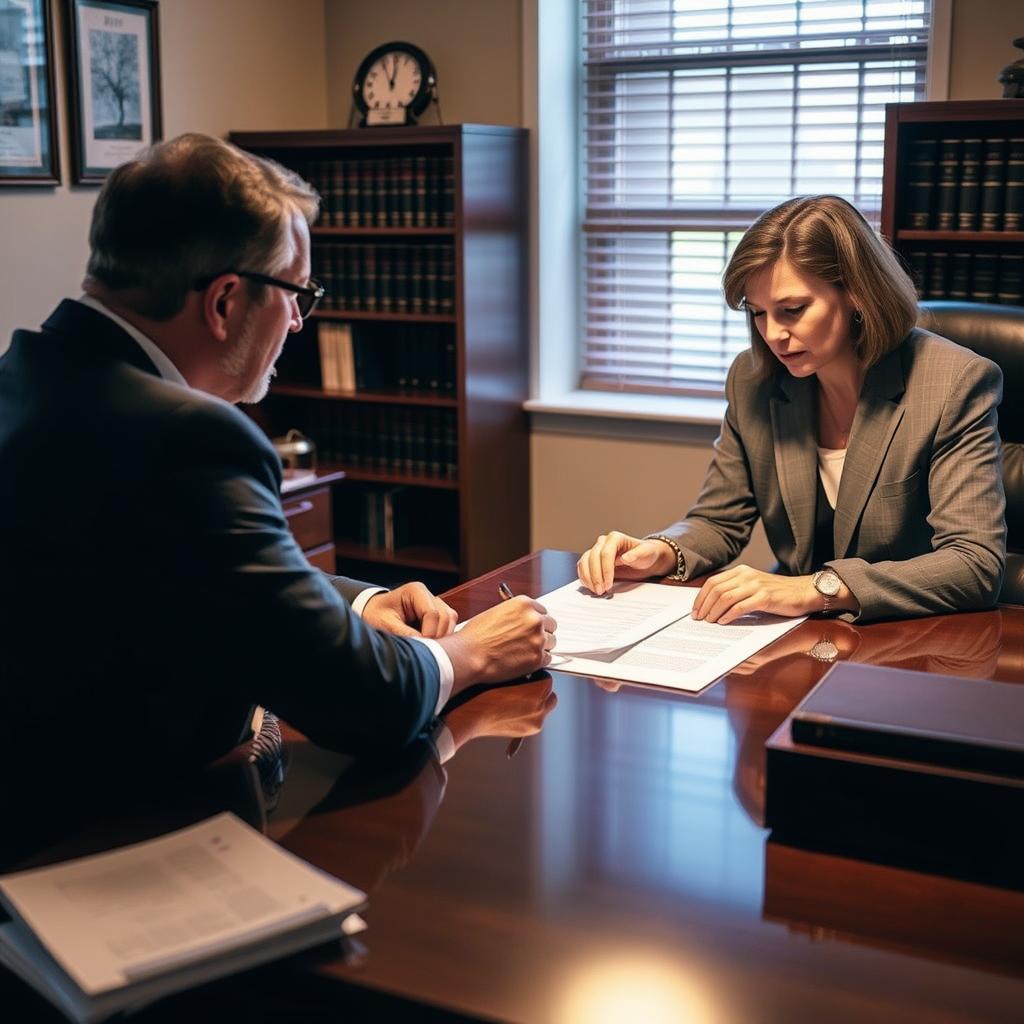
Marital Settlement Agreement Lawyer Fluvanna County, VA
When you are resolving a divorce in Fluvanna County, reaching a fair and enforceable settlement of your property, support, and child-related issues outside of litigation often starts with a carefully drafted marital settlement agreement. Law Offices Of SRIS, P.C. assists clients throughout Palmyra, Fork Union, Lake Monticello, and the surrounding communities in preparing, negotiating, and finalizing these agreements under Virginia law. A marital settlement agreement—sometimes called a property settlement or separation agreement—sets out the division of marital assets, spousal support terms, and, when relevant, child custody and parenting arrangements. In Fluvanna County, these agreements are reviewed in the Circuit Court as part of an uncontested divorce proceeding. Mr. Sris and his Of Counsel bring extensive experience in equitable distribution, business valuation, and cross‑border family matters to help you protect your interests. We focus on clear, practical agreements that satisfy the statutory requirements under the Virginia Code while addressing your unique circumstances. For a consultation about your matter, reach Law Offices Of SRIS, P.C. at (888) 437‑7747. Law Offices Of SRIS, P.C. — Advocacy Without Borders.
What a Marital Settlement Agreement Means in Fluvanna County
In Virginia, a marital settlement agreement is a written contract that resolves the major issues of a divorce—property classification and division, spousal support, and often custody and child support—so that the divorce can proceed on an uncontested basis. Virginia follows equitable distribution under Va. Code § 20‑107.3, meaning the Circuit Court divides marital property fairly but not necessarily equally. When the parties enter a valid and signed agreement before or during the divorce, the court may incorporate it into the final decree, avoiding a contested trial. In Fluvanna County, divorce and equitable distribution matters are heard in the Fluvanna County Circuit Court at 72 Main Street, Suite B, Palmyra, Virginia 22963. The Juvenile and Domestic Relations District Court handles standalone custody, support, and protective‑order matters. An agreement that resolves all issues allows the divorce to qualify for the no‑fault ground of separation under Va. Code § 20‑91(9)(b)—six months when there are no minor children and a signed separation agreement, or one year without an agreement.
Drafting an enforceable marital settlement agreement requires careful attention to the statutory factors the court will later review. Under Va. Code § 20‑109, the court may affirm, ratify, or incorporate the agreement unless it finds the agreement unconscionable or the product of fraud, duress, or overreaching. The agreement must address classification of all assets as marital, separate, or hybrid; provide for equitable distribution; and, when applicable, determine spousal support and child custody. For estates involving businesses, professional practices, retirement accounts, or overseas property, proper valuation and a detailed disclosure are essential. Mr. Sris and his Of Counsel work with forensic accountants and business valuators, when necessary, to develop comprehensive settlement terms. Because every case rests on its own facts, the timeline to finalize the divorce depends on the court’s calendar and the complexity of the financial issues.
How Mr. Sris and His Of Counsel Handle Marital Settlement Agreement Cases
Every marital settlement agreement begins with a thorough review of the parties’ financial picture and goals. We meet with you to understand your priorities—whether preserving a business, securing retirement benefits, or establishing a predictable parenting plan—and to identify all assets and debts that must be classified and addressed. We then draft proposed terms that reflect Virginia’s equitable‑distribution framework and the statutory factors the court weighs. The agreement is presented to the other party or their counsel, and we engage in direct negotiation or, when appropriate, mediation to reach a final, signed document. Throughout the process we explain the legal effect of each provision so that you enter the agreement with full understanding.
Once the agreement is fully executed, we prepare the necessary pleadings to present the uncontested divorce to the Fluvanna County Circuit Court. In Virginia, at least one corroborating witness typically testifies at the final hearing. We guide you through that appearance and ensure all required filings are complete. The court then reviews the agreement for fairness and compliance with the law before incorporating it into the divorce decree. Because the agreement is a binding contract, later modifications—except for child‑related terms—require a showing of changed circumstances or a written modification signed by both parties. Mr. Sris and his Of Counsel remain available to assist with enforcement or post‑divorce modifications if circumstances change.
About Mr. Sris and His Of Counsel Team
Mr. Sris, Owner and Founder of Law Offices Of SRIS, P.C., has been practicing family law since 1997. He is a former prosecutor and is admitted in Virginia, Maryland, the District of Columbia, New Jersey, and New York. His testimony before the Virginia House Courts of Justice Committee in support of 2019 HB 635 (chief patron Del. David Bulova) reflects his deep engagement with Virginia’s equitable‑distribution framework. Mr. Sris keeps his personal caseload small so that he can devote substantial attention to each matter, and he works collaboratively with a team of experienced Of Counsel who contribute to the firm’s representation of clients across multiple practice areas. Together, Mr. Sris and his Of Counsel bring over 120 years of combined legal experience, supported by 4,739+ documented firm-wide results. Results may vary.
Frequently Asked Questions
What is a marital settlement agreement in Virginia?
A marital settlement agreement is a written contract between spouses that resolves property division, spousal support, and often child custody and support issues outside of court. Under Va. Code § 20‑109, a court may approve and incorporate the agreement into a final divorce decree if it is fair and free of fraud or duress. Once incorporated, the agreement has the force of a court order and can be enforced through contempt proceedings. The agreement allows the parties to avoid a contested trial.
How does a marital settlement agreement work in a Fluvanna County divorce?
In Fluvanna County, the Circuit Court at 72 Main Street in Palmyra reviews the signed agreement during an uncontested divorce hearing. If the parties have resolved all issues—property, support, and custody—and the statutory separation requirements are met, the court typically incorporates the agreement into the final divorce decree. At least one corroborating witness must appear at the hearing. The agreement then becomes binding and can be enforced by the court if either party fails to comply.
Do I need a lawyer to draft a marital settlement agreement?
Virginia law does not require an attorney to draft a marital settlement agreement, but the document governs significant financial and parental rights. Mistakes in classification, tax language, or support formulas can have lasting consequences. An experienced family‑law lawyer can ensure the agreement addresses all statutory factors under Va. Code § 20‑107.3, protects separate property, and is structured to survive later challenges. To discuss your situation, contact Law Offices Of SRIS, P.C. at (888) 437‑7747.
What should a marital settlement agreement include?
A comprehensive agreement typically identifies all marital and separate property, sets out a plan for equitable distribution, specifies any spousal‑support terms (amount, duration, modification conditions), and, when children are involved, addresses legal and physical custody, parenting time, and child support calculated under the Virginia guidelines. It should also cover tax treatment, attorney‑fee responsibilities, and dispute‑resolution procedures. Each term must be clear and mutually understood to avoid later enforcement problems.
How long does it take to finalize a divorce with a marital settlement agreement in Fluvanna County?
The timeline depends on the court’s calendar and whether the statutory separation period has been met. When the parties have a signed agreement and no minor children, divorces may proceed after a six‑month separation; otherwise a one‑year separation applies. Once the statutory period passes, scheduling the final hearing depends on the Fluvanna County Circuit Court’s docket. To learn more about what to expect, reach Law Offices Of SRIS, P.C. at (888) 437‑7747.
How do I enforce a marital settlement agreement if the other party does not comply?
A court‑approved marital settlement agreement has the force of a court order. If a party fails to transfer property, pay support, or comply with custody provisions, the aggrieved party may file a motion for enforcement or for issuance of a rule to show cause with the Fluvanna County Circuit Court. The court has authority to compel compliance, award attorney fees, and hold the non‑compliant party in contempt. An experienced lawyer can evaluate whether enforcement or a modification petition is appropriate.
Related pages: Fairfax County Family Law Lawyer · Fairfax City Family Law Lawyer · Falls Church Family Law Lawyer · Prince William County Family Law Lawyer · Manassas Family Law Lawyer
Primary legal sources: Virginia Code Title 20 (Family Law) · Fluvanna County Circuit Court · Virginia Judicial System
Attorney advertising. Prior results do not guarantee a similar outcome.
Case results depend on a variety of factors unique to each case.
Attorney responsible for this advertising: Mr. Sris.
Results may vary.