
Marital Property Lawyer Fluvanna County, VA
Megan and Kevin had built a life together in Palmyra, raising two kids and purchasing a home near Lake Monticello. When their marriage ended, the biggest question wasn’t whether they’d divorce — it was what would happen to the property they’d accumulated together. Megan worried about the house; Kevin feared losing his share of his retirement account. In Fluvanna County, questions like theirs end up in the Circuit Court, where equitable distribution determines who gets what. Mr. Sris and his Of Counsel team work with people in Palmyra, Fork Union, and Lake Monticello to navigate these exact concerns. If you’re wondering how marital property gets divided in a Virginia divorce, reach Law Offices Of SRIS, P.C. at (888) 437-7747. Law Offices Of SRIS, P.C. — Advocacy Without Borders.
How a Marital Property Lawyer Handles Your Case
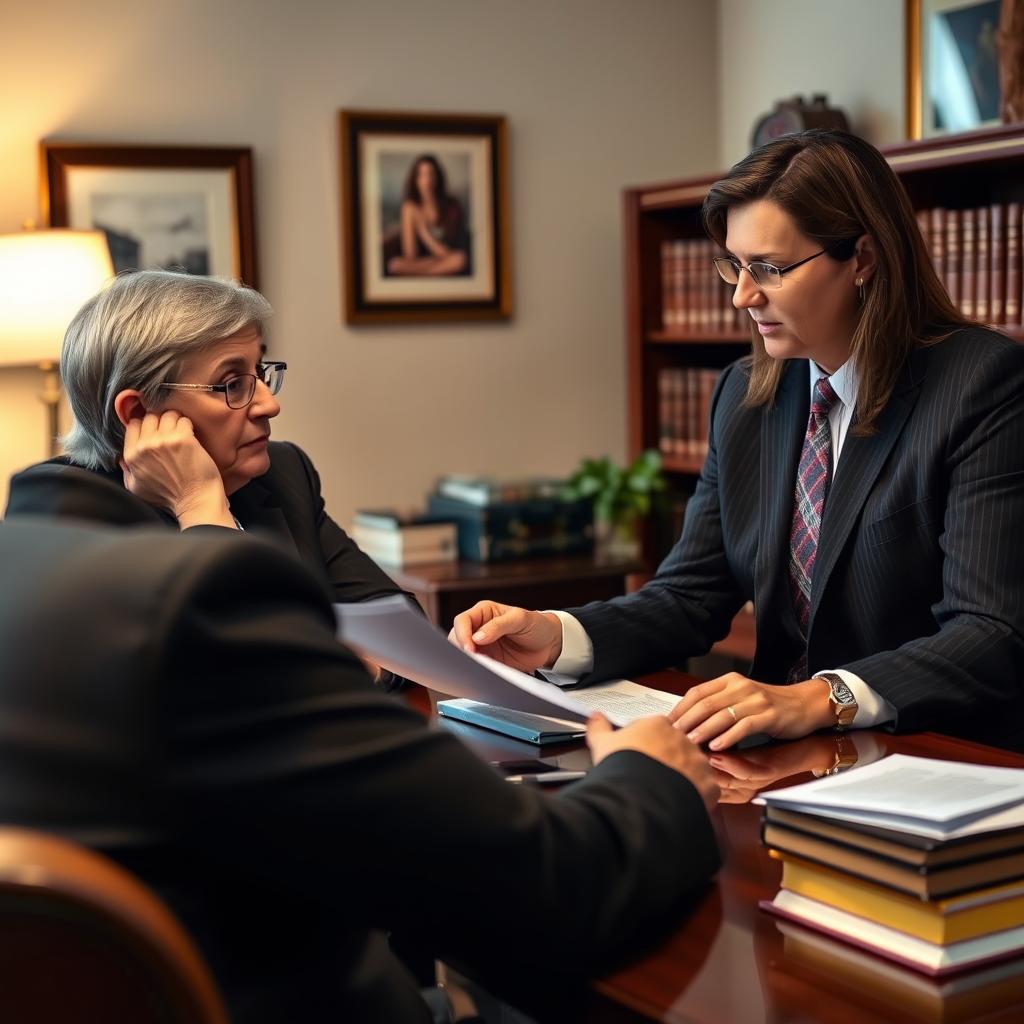
When you sit down with Mr. Sris, you’re not handed a form and sent away. He and his Of Counsel start by listening: what assets and debts exist, what’s in dispute, and what you’re most worried about losing. In Virginia, marital property includes everything you and your spouse acquired during the marriage — from the house and cars to bank accounts, retirement plans, and even the debt on the credit cards. The goal is to identify what’s marital, value it correctly, and present a case for a fair division under the factors listed in Va. Code § 20‑107.3. That might mean negotiating a settlement agreement or, if no agreement is possible, going before the Fluvanna County Circuit Court at 72 Main Street in Palmyra. Mr. Sris and his Of Counsel appear regularly in that courthouse and understand how local judges approach valuation disputes and property classification.
Strategy When High-Value Assets Are Involved
Not every divorce involves a simple checking account. If you own a business, hold stock options, or have a pension through the state or federal government, classification and valuation become far more complex. Mr. Sris involves forensic accountants and business valuators when necessary to trace the growth of separate property versus marital property. His background in accounting and information systems helps him scrutinize financial documents, spot inconsistencies, and advocate for a division that reflects your actual contributions. This matters because the Circuit Court considers not just the title on the asset, but how it was acquired and maintained throughout the marriage.
What to Expect When You Appear in Fluvanna County
Your divorce complaint gets filed in the Fluvanna County Circuit Court, which handles all equitable distribution in this area. The court follows Virginia’s “equitable distribution” framework, which means property is divided fairly, not necessarily 50/50. If you and your spouse agree on the terms, a separation agreement can resolve everything without a trial. But if there’s disagreement over who gets the house or how to split the 401(k), the case will go before the judge. In our practice, matters involving a signed settlement agreement move on a quicker track; contested equitable distribution takes longer because valuations, discovery, and sometimes expert testimony are required. Mr. Sris keeps you informed at each stage, so you know what to expect and when to be at the courthouse.
The Real Cost of Getting This Wrong
Property division isn’t just about who gets the living room furniture. The stakes rise sharply with retirement accounts, investment portfolios, or a family business. If an asset is misclassified as separate property when it’s actually marital, you could lose tens or hundreds of thousands of dollars. Similarly, if the court’s valuation understates what a business is worth, your share shrinks. Mr. Sris and his Of Counsel team bring over 120 years of combined legal experience to marital property disputes. Results may vary. Mr. Sris testified before the Virginia House Courts of Justice Committee in support of 2019 HB 635 (chief patron Del. David Bulova). This deep familiarity with the equitable distribution statute means he can identify where the law protects your interest and where you need to build a stronger evidentiary record.
About Mr. Sris and His Of Counsel
Mr. Sris, Owner and Founder of Law Offices Of SRIS, P.C., has practiced in Virginia since 1997 and is admitted in Virginia, Maryland, the District of Columbia, New Jersey, and New York. He is a former prosecutor, which shaped his approach to investigation, evidence assessment, and courtroom argument — skills that transfer directly to property dispute litigation. His Of Counsel team consists of experienced attorneys who are engaged through Excella; they work with him on valuation, discovery, and settlement negotiations in family law matters throughout Virginia. Combined, Mr. Sris and his Of Counsel have documented 4,739+ case results across all practice areas. Results may vary.
For a full statutory breakdown of Virginia’s equitable distribution law and how it is applied across the state, see our comprehensive analysis.
Frequently Asked Questions
What is “marital property” in Virginia?
Marital property is everything you and your spouse acquired during the marriage, regardless of whose name is on the title. This includes wages, homes, vehicles, investment accounts, retirement benefits, and even debts. The only things excluded are property received by gift or inheritance from a third party — but if those assets were commingled with marital funds, they can become marital. The classification is made under Va. Code § 20‑107.3, and the court has broad authority to trace and reclassify assets.
Does Virginia split marital property 50/50?
No. Virginia is an equitable distribution state, not a community property state. The Circuit Court divides property fairly based on 11 statutory factors, including the length of the marriage, each spouse’s contributions, and the circumstances that led to the divorce. Some cases end with a near-equal split; others result in a lopsided division because one spouse contributed disproportionately to the other’s education or career. Mr. Sris evaluates your situation and explains where the factors weigh in your favor.
How do I protect my retirement account in a Fluvanna County divorce?
Retirement accounts earned during the marriage — whether a 401(k), pension, or IRA — are marital property to the extent they were earned before separation. Mr. Sris works with financial professionals to value the marital portion separately from any pre-marriage balance. A Qualified Domestic Relations Order (QDRO) can then divide the account without triggering tax penalties. The court may award a percentage of the marital share to your spouse. Understanding how the math works before you agree to a settlement is critical.
What if my spouse and I already signed a separation agreement?
If you have a written, signed separation agreement that resolves all property issues, the Court can incorporate it into the final divorce decree — assuming the agreement was entered freely and is not unconscionable. Mr. Sris reviews the agreement to confirm it accurately lists all assets and debts and that the division is fair under Virginia law. If there’s been any fraud, concealment, or duress, he can challenge the agreement. A properly drafted agreement can keep your case out of court entirely.
How long does equitable distribution take in Fluvanna County?
When both sides agree, a final decree can be entered within a few months after the mandatory separation period. Contested cases take longer because the court sets a schedule for discovery, depositions, and any experienced attorney-valuator reports. The timeline varies by the complexity of the assets and the court’s calendar. Mr. Sris moves cases forward efficiently while preparing thoroughly for trial if necessary. For guidance on your specific situation, reach Law Offices Of SRIS, P.C. at (888) 437-7747.
Do I really need a lawyer to handle property division?
You are not legally required to have an attorney, but property division involves legally binding decisions that affect your financial future for years. Mistakes in classification, valuation, or the drafting of a separation agreement are difficult to undo after a final decree. Mr. Sris and his Of Counsel bring over 120 years of combined legal experience to these matters, which means they’ve seen how costly errors happen and how to prevent them. Results may vary. To discuss the details of your matter, contact Law Offices Of SRIS, P.C. at (888) 437-7747.
What should I bring to my first meeting?
Bring any documents that show what you and your spouse own or owe: recent bank and credit-card statements, retirement account summaries, deeds, vehicle titles, and any existing separation agreement. If you have questions about a business interest or stock options, bring whatever records you have. This lets Mr. Sris give you a realistic assessment of what’s marital and what’s separate. A quick call to (888) 437-7747 can clarify exactly what to gather before the appointment.
Can I keep the house if I have custody of the children?
The court may allow one parent to remain in the family home, especially when minor children are involved, but that doesn’t mean the house automatically becomes separate property. The value of the house is still marital, and the other spouse may receive a larger share of another asset — like a retirement account — to offset the home’s value. Mr. Sris examines the whole balance sheet to craft a solution that keeps you in the home without sacrificing your financial future.
What happens to debt in a Fluvanna County divorce?
Debt incurred during the marriage is marital debt, and the court divides it equitably, just like assets. Credit-card balances, car loans, and mortgage obligations are all part of the division. Even if one spouse’s name is on the debt, the other may be held responsible for a share. Mr. Sris works to ensure the debt division doesn’t unfairly burden you, especially if the other spouse ran up bills without your knowledge.
How does Virginia handle a business owned before the marriage?
A business owned before marriage is generally classified as separate property. However, any increase in value during the marriage may be marital if it resulted from the efforts of either spouse or from marital funds. Mr. Sris engages business appraisers to calculate the marital portion — a process that often involves forensic accounting. The court then divides that marital portion equitably. This is one of the most complex areas of equitable distribution, and getting the valuation right is essential.
Request a Consultation
If you’re facing a divorce in Fluvanna County and need someone to protect your interest in marital property, reach Mr. Sris today. He and his Of Counsel team appear at the Fluvanna County Circuit Court and understand how local judges handle property disputes. Call (888) 437-7747 or contact our Shenandoah Location — 505 N Main St, Suite 103, Woodstock, VA 22664 — to schedule an appointment. By appointment. Call (888) 437-7747 to schedule.
Law Offices Of SRIS, P.C.
505 N Main St, Suite 103, Woodstock, VA 22664
(888) 437-7747
By appointment only.
Resources: Virginia Code § 20-107.3 (Equitable Distribution) · Fluvanna County Circuit Court
Attorney advertising. Prior results do not guarantee a similar outcome. Results may vary.
Case results depend on a variety of factors unique to each case.