
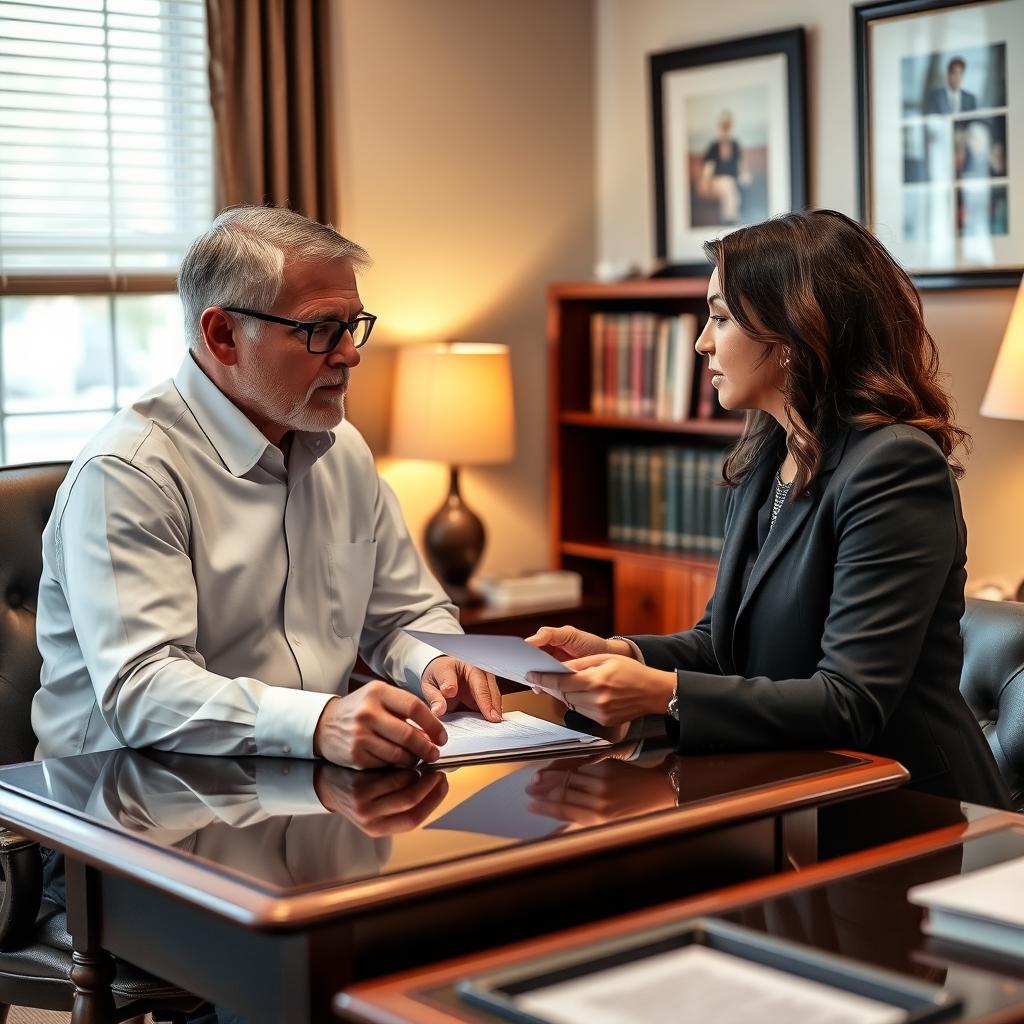
Consular Processing Lawyer Fluvanna County, VA
For residents of Fluvanna County, Virginia, navigating the U.S. Immigration system often means working through a process called consular processing. When a family member petitions for a green card on behalf of a spouse, parent, child, or sibling who lives outside the United States, that relative must apply for an immigrant visa at a U.S. Embassy or consulate abroad. Consular processing involves multiple federal agencies, detailed documentation, and in‑person interviews — and an error at any stage can delay a family reunion by months or years. Law Offices Of SRIS, P.C. assists Fluvanna County clients with every step of consular processing, from the initial I‑130 family petition filed with USCIS through the final visa interview overseas. Mr. Sris, Owner and Founder of the firm, has practiced immigration law since 1997 and draws on decades of experience to guide families through the paperwork, prepare them for consular interviews, and respond when the government raises questions. The firm’s Shenandoah location — 505 N Main St, Suite 103, Woodstock, VA 22664 — serves clients in Fluvanna County and throughout the central Virginia region. To request a consultation about your consular processing matter, call (888) 437-7747. Law Offices Of SRIS, P.C. — Advocacy Without Borders.
What Consular Processing Means in Fluvanna County
Consular processing is the immigration procedure used when a foreign national applies for an immigrant visa at a U.S. Embassy or consulate in his or her home country, rather than adjusting status from within the United States. It often arises in family‑based immigration: a U.S. Citizen or lawful permanent resident files a Form I‑130, Petition for Alien Relative, with U.S. Citizenship and Immigration Services (USCIS). Once USCIS approves the petition and a visa number becomes available, the case moves to the National Visa Center (NVC) for document collection before being forwarded to the consulate.
For Fluvanna County residents, the first stage — the I‑130 petition — is processed at the USCIS Washington District Office, located at 2675 Prosperity Avenue in Fairfax, Virginia. This is the USCIS field office that handles family‑based petitions from petitioners who live in Fluvanna County and the surrounding central Virginia area. After USCIS approval, the NVC coordinates with the consulate in the beneficiary’s home country. Affirmative applications — such as requests for work permits or advance parole filed while a case is pending — are also processed through the Fairfax office. Removal proceedings related to an immigration matter are heard at the Arlington Immigration Court, 1901 South Bell Street, Arlington, VA 22202. The firm’s Shenandoah location, near Charlottesville, makes it convenient to consult with an attorney who understands how the USCIS Washington District Office operates and what consular officers expect.
How Mr. Sris and His Of Counsel Handle Consular Processing Cases
Mr. Sris and his Of Counsel team begin by reviewing the family relationship and the petitioner’s eligibility. They gather the necessary evidence — birth certificates, marriage licenses, proof of termination of prior marriages, and financial documents — and prepare the I‑130 petition with a thorough cover letter that addresses potential issues before USCIS raises them. The team then monitors the petition’s progress through USCIS, responds to any requests for evidence, and tracks the visa bulletin to determine when a visa number becomes available for preference-category cases.
Once the NVC stage begins, Mr. Sris and his Of Counsel work with the family to assemble the DS‑260 immigrant visa application, affidavit of support, civil documents, and medical examination requirements. They prepare the beneficiary for the consular interview, reviewing the types of questions consular officers ask and practicing answers that are truthful and consistent with the documentary record. If the consulate issues a refusal under Section 221(g) of the Immigration and Nationality Act — often because additional documents are needed — Mr. Sris and his Of Counsel move quickly to supplement the record and advocate for resolution. Should a visa be denied outright, they evaluate the possibility of a motion to reconsider or an appeal to the Board of Immigration Appeals, depending on the grounds of the denial. Throughout the process, the team keeps the Fluvanna County petitioner informed of developments and court deadlines, helping the family avoid costly procedural missteps.
About Mr. Sris and His Of Counsel Team
Mr. Sris, Owner and Founder of Law Offices Of SRIS, P.C., has been practicing law since 1997. He is admitted to the bars of Virginia, Maryland, the District of Columbia, New Jersey, and New York, and his multi‑state practice allows him to represent clients whose immigration matters intersect with state‑court proceedings as well. Before founding the firm, Mr. Sris served as a former prosecutor, an experience that equips him to anticipate how government agencies build their cases. His legislative involvement includes testifying before the Virginia House Courts of Justice Committee in support of 2019 HB 635 (chief patron Del. David Bulova). Mr. Sris and his Of Counsel bring over 120 years of combined legal experience. Results may vary. Mr. Sris and his Of Counsel have documented 4,739+ case results across all practice areas since 1997.
Mr. Sris is supported by Of Counsel attorneys who are engaged through Excella. These Of Counsel bring deep backgrounds in federal practice, procedural analysis, and client advocacy — strengths that complement the firm’s immigration work. The collective team approach means Fluvanna County clients benefit from the attention of an experienced attorney through every stage of consular processing, backed by support staff who speak English, Spanish, and Tamil.
Frequently Asked Questions
What is consular processing for an immigrant visa?
Consular processing is the procedure a foreign national follows to obtain an immigrant visa at a U.S. Embassy or consulate abroad. It typically begins when a qualifying family member files a Form I‑130 with USCIS. Once approved and when a visa number is available, the case moves through the National Visa Center and then to the consulate for an interview and visa issuance. The beneficiary travels to the United States after the visa is issued and becomes a lawful permanent resident upon admission.
How long does consular processing take for Fluvanna County residents?
Timelines depend on the visa category, the consulate’s workload, and the completeness of the application. For an immediate relative of a U.S. Citizen — such as a spouse, parent, or unmarried child under 21 — consular processing from I‑130 filing to visa issuance generally takes 8 to 14 months. Family preference categories, such as siblings or married children of U.S. Citizens, involve visa‑bulletin waiting periods that can extend for several years. Employment‑based categories add their own processing ranges, and factors like administrative processing at the consulate can further affect the timeline.
What documents are required for consular processing?
The required documents include the approved I‑130 petition, a birth certificate for the beneficiary, a passport valid for travel to the United States, marriage and divorce certificates if applicable, police certificates from countries of residence, military records, and the Form I‑864 Affidavit of Support from the petitioner. Medical examinations by a consulate‑authorized physician are also mandatory. Government filing fees apply: for family‑based cases, the I‑130 fee is $675, and the immigrant visa fee after NVC document review is $325. These figures are set by USCIS and the U.S. Department of State and are subject to change. Contact the firm for current fee information.
What happens if the consulate denies the visa?
A consular officer may refuse a visa under Section 221(g) of the Immigration and Nationality Act, often because additional documentation or administrative processing is needed. In that case, prompt compliance with the request can lead to visa issuance. A more serious denial — based on a finding of inadmissibility, such as a health‑related ground, criminal history, or prior immigration violation — may be overcome by filing a waiver if one is available. When a denial cannot be resolved at the consulate level, the matter may need to be reopened through a motion to reconsider filed with the consular post or, in some circumstances, challenged in federal court. Mr. Sris and his Of Counsel evaluate each refusal to determine an appropriate $1 forward.
Do I need a lawyer for consular processing?
You are not required by law to hire an attorney for consular processing, but the process involves detailed documentation, strict eligibility rules, and significant consequences for errors. An experienced immigration lawyer can help ensure that petitions are correctly prepared, that the beneficiary is ready for the consular interview, and that any requests for evidence or refusals are addressed properly. For families in Fluvanna County, having an attorney who understands the USCIS Washington District Office’s procedures and the expectations of consular officers can reduce delays and help avoid an avoidable denial.
How does consular processing differ from adjustment of status?
Adjustment of status (Form I‑485) is available to applicants who are already in the United States and meet certain eligibility criteria — for example, having lawfully entered and maintained valid nonimmigrant status. Consular processing is the corresponding path for a beneficiary who remains outside the United States. Both processes begin with an approved I‑130 family petition, but adjustment of status is adjudicated entirely by USCIS within the United States, while consular processing concludes with an interview at a U.S. Embassy or consulate abroad. The choice between the two depends on the beneficiary’s location, immigration history, and eligibility to remain in the United States during processing.
Related immigration resources: Fairfax County Immigration Lawyer | Prince William County Immigration Lawyer | Manassas Immigration Lawyer
Primary sources for Virginia legal research: Virginia Code Title 13.1 | SCC business entity filings | Virginia Courts
Attorney advertising. Prior results do not guarantee a similar outcome. Case results depend on a variety of factors unique to each case. Results may vary.