
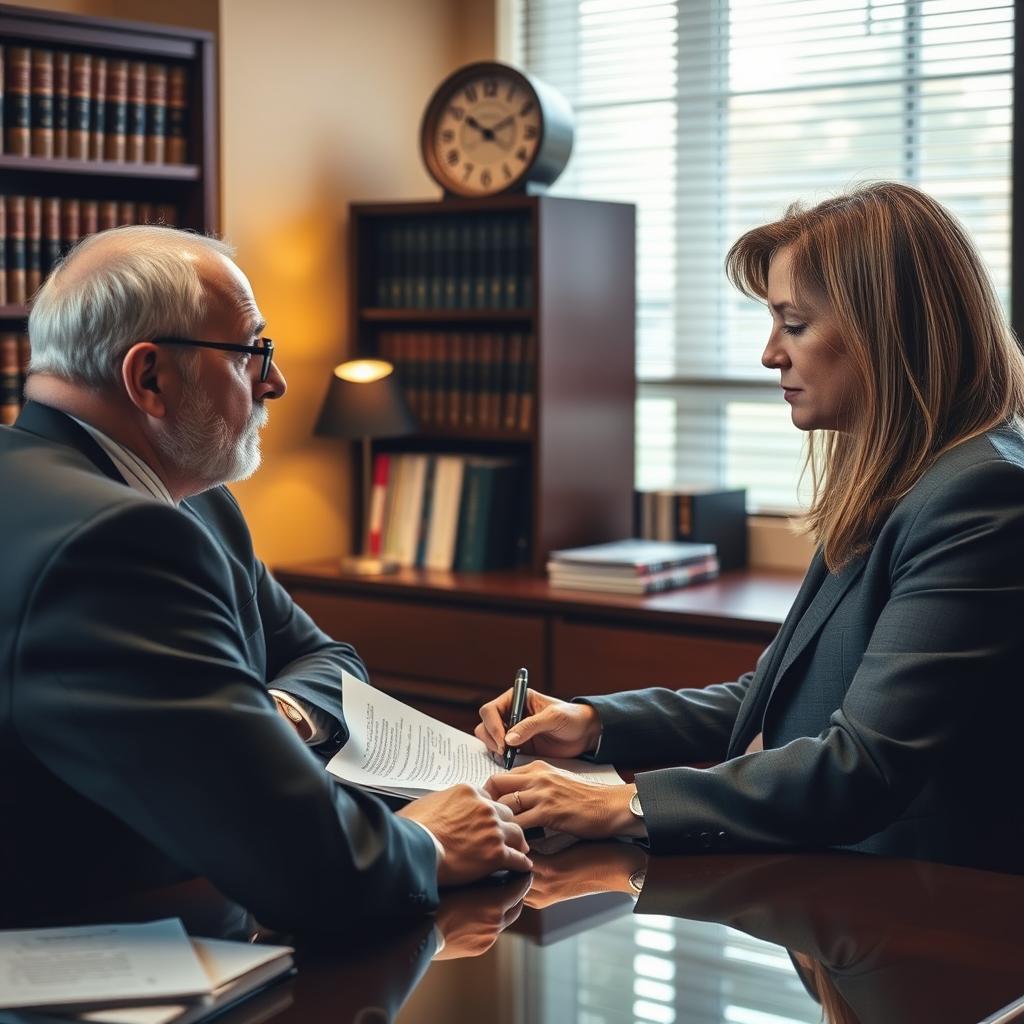
Manufacturing of Controlled Substances lawyer Greene County, VA
A federal manufacturing charge under 21 U.S.C. § 841 is a serious matter prosecuted by the United States Attorney’s Office. In Greene County, Virginia, a person accused of manufacturing controlled substances will face the U.S. District Court for the Western District of Virginia—most often at the Charlottesville Division. The proceeding is governed by federal rather than state rules, with sentencing shaped by the U.S. Sentencing Guidelines and mandatory minimums tied to drug type and quantity. Mr. Sris and his Of Counsel concentrate their practice in federal criminal defense and represent clients from Stanardsville, Ruckersville, and throughout Greene County. Reach Law Offices Of SRIS, P.C. at (888) 437-7747.
Law Offices Of SRIS, P.C. – Advocacy Without Borders.
Greene County General District Court is currently presided over by Hon. Claiborne H. Stokes Jr.. Court hours: Mon-Fri 8:00AM-4:00PM. Counsel appearing on federal criminal matters should plan filings accordingly.
What a Federal Manufacturing Charge Means in Greene County
The federal Controlled Substances Act criminalizes manufacturing any substance listed on Schedule I through V. Unlike a state drug case that might be handled in Greene County General District Court or Circuit Court, a federal manufacturing indictment proceeds in the Western District of Virginia. Greene County falls within the Charlottesville Division, located at 255 W Main Street. The U.S. Attorney’s Office assigns experienced prosecutors, and investigations are typically led by the DEA, FBI, or other federal agencies.
Manufacturing can include growing, producing, or synthesizing controlled substances, as well as possessing precursor chemicals with intent to manufacture. The government need only prove that a person knowingly or intentionally took part in any step of the manufacturing process. Because the federal system abolished parole in 1987, a conviction often means serving a substantial portion of the sentence. Mr. Sris and his Of Counsel team understand the statute and the local federal court practices that shape how a Greene County manufacturing case moves from investigation through sentencing.
Under 21 U.S.C. § 841, manufacturing offenses involving 5 grams of crack or 500 grams of powder cocaine trigger a mandatory minimum of 5 years in prison; the minimum rises to 10 years if death or serious injury results, and increases to 10 years for 28 grams of crack or 5 kilograms of powder cocaine.
Source: 21 U.S.C. § 841. U.S. Code § 841
Reviewed by Mr. Sris, admitted in VA/MD/DC/NJ/NY.
Sentencing in federal court is also influenced by the advisory U.S. Sentencing Guidelines, which calculate a range based on offense level and criminal history. While judges have discretion since United States v. Booker, the guidelines remain the starting point and carry substantial weight. Early engagement with experienced defense counsel is essential, as decisions made during the investigation, grand jury phase, and initial appearance can affect the ultimate resolution.
How Mr. Sris and His Of Counsel Handle Federal Manufacturing Cases
When someone in Greene County learns they are under federal investigation for manufacturing, the first step is to protect the person’s right to remain silent and to obtain counsel. Mr. Sris and his Of Counsel immediately assess the strength of the government’s evidence, whether it was obtained through a lawful search, and whether any statements were made in violation of Miranda. Because federal agents often work with confidential informants, wiretaps, or undercover operations, the defense must scrutinize every piece of evidence for Constitutional violations or reliability problems.
If an indictment is returned, the case moves to the Charlottesville Division of the Western District. Mr. Sris and his Of Counsel evaluate potential pretrial motions—including challenges to the indictment, motions to suppress, and requests for disclosure of informant identities. The team also reviews whether the defendant qualifies for a safety-valve reduction under 18 U.S.C. § 3553(f), which allows a sentence below the mandatory minimum for certain nonviolent first offenders who provide truthful information. Throughout the process, the goal is to work toward a favorable outcome, whether through dismissal, a pretrial resolution, or, if necessary, a vigorous trial.
Mr. Sris and his Of Counsel bring over 120 years of combined legal experience, with 4,739+ documented firm-wide results, to every federal matter. Results may vary. The team draws on knowledge of federal procedural rules, the local practices of the Western District, and extensive criminal-defense experience to build a thorough defense for each client.
About Mr. Sris and His Of Counsel Team
Mr. Sris, Owner and Founder of Law Offices Of SRIS, P.C., concentrates his practice in federal criminal defense and has represented individuals in federal courts in Virginia since founding the firm in 1997. He is a former prosecutor whose background provides insight into how the government builds a manufacturing case. Mr. Sris testified before the Virginia House Courts of Justice Committee in support of 2019 HB 635 (chief patron Del. David Bulova).
Mr. Sris is supported by a team of Of Counsel attorneys engaged through Excella, each bringing trial and litigation experience to federal matters. Collectively, Mr. Sris and his Of Counsel have documented thousands of case results across multiple practice areas. The firm’s Fairfax location serves Greene County clients and appears at the U.S. District Court for the Western District of Virginia, Charlottesville Division.
Frequently Asked Questions
What is the difference between state and federal manufacturing charges?
Federal manufacturing charges are prosecuted by the U.S. Attorney in federal district court and carry sentencing under the U.S. Sentencing Guidelines, which often include mandatory minimum prison terms. State charges are handled in Virginia General District or Circuit Court and may offer more flexibility in sentencing. The federal system has no parole, so a federal conviction typically results in the person serving significantly more of the imposed sentence than in a state case. Because of these heightened stakes, retaining an attorney experienced in federal criminal defense is critical.
How do federal sentencing guidelines work for a manufacturing case in Greene County?
At the Charlottesville Division of the Western District of Virginia, the court calculates a guideline range using the type and quantity of controlled substance, the defendant’s role in the offense, and criminal history. While the guidelines are advisory since Booker, judges give them substantial weight. Mandatory minimum sentences under 21 U.S.C. § 841 override lower guideline ranges—for example, manufacturing certain quantities of methamphetamine or cocaine can require at least five or ten years in prison. Statutory safety-valve and substantial-assistance provisions may allow a sentence below the minimum, but the eligibility criteria are strict.
Do I need a lawyer if I am under federal investigation for manufacturing?
Yes. Federal agents may attempt to interview a suspect before an arrest is made. Anything said during that interview can be used as evidence. A lawyer can help you understand your rights, communicate with investigators on your behalf, and may prevent charges from being filed in the first place. If charges are already pending, early representation allows the defense to begin gathering evidence, identifying Constitutional challenges, and negotiating with the U.S. Attorney’s Office before the case advances too far.
What are some defenses to a federal manufacturing charge?
Defenses may include challenging the legality of the search that uncovered evidence, demonstrating that the defendant did not knowingly or intentionally participate in the manufacturing process, or attacking the credibility of government witnesses. Forensic analysis of alleged controlled substances can be contested, and if the substance does not meet the statutory definition, the charge may fail. Mr. Sris and his Of Counsel examine every aspect of the government’s case for weaknesses—from the grand jury proceedings to the chain of custody of seized materials.
What should I do if I am facing a manufacturing charge in Greene County?
Contact an experienced federal defense attorney immediately. Do not discuss the facts with anyone other than your lawyer. Preserve any documents, communications, or other materials that may be relevant. Federal court deadlines move quickly—an initial appearance and detention hearing typically occur soon after arrest. Prompt action allows the defense to prepare for the detention hearing, request discovery, and frame a strategy from the outset.
Can a federal manufacturing sentence be reduced after conviction?
Post-conviction reductions are limited but possible. Rule 35 of the Federal Rules of Criminal Procedure allows the government to file a motion for a reduced sentence based on substantial assistance provided after sentencing. The First Step Act of 2018 also created avenues for compassionate release and retroactive application of certain sentencing reforms. However, these are discretionary and not available in every case. The trusted opportunity for a favorable sentence remains thorough preparation before sentencing.
Fairfax County federal criminal lawyer • Prince William County federal criminal lawyer • Manassas federal criminal lawyer • Fairfax City federal criminal defense • Falls Church federal criminal attorney
Primary sources: U.S. District Court for the Western District of Virginia • Greene County General District Court • 21 U.S.C. § 841
Attorney advertising. Prior results do not guarantee a similar outcome. Case results depend on a variety of factors unique to each case. Results may vary.