
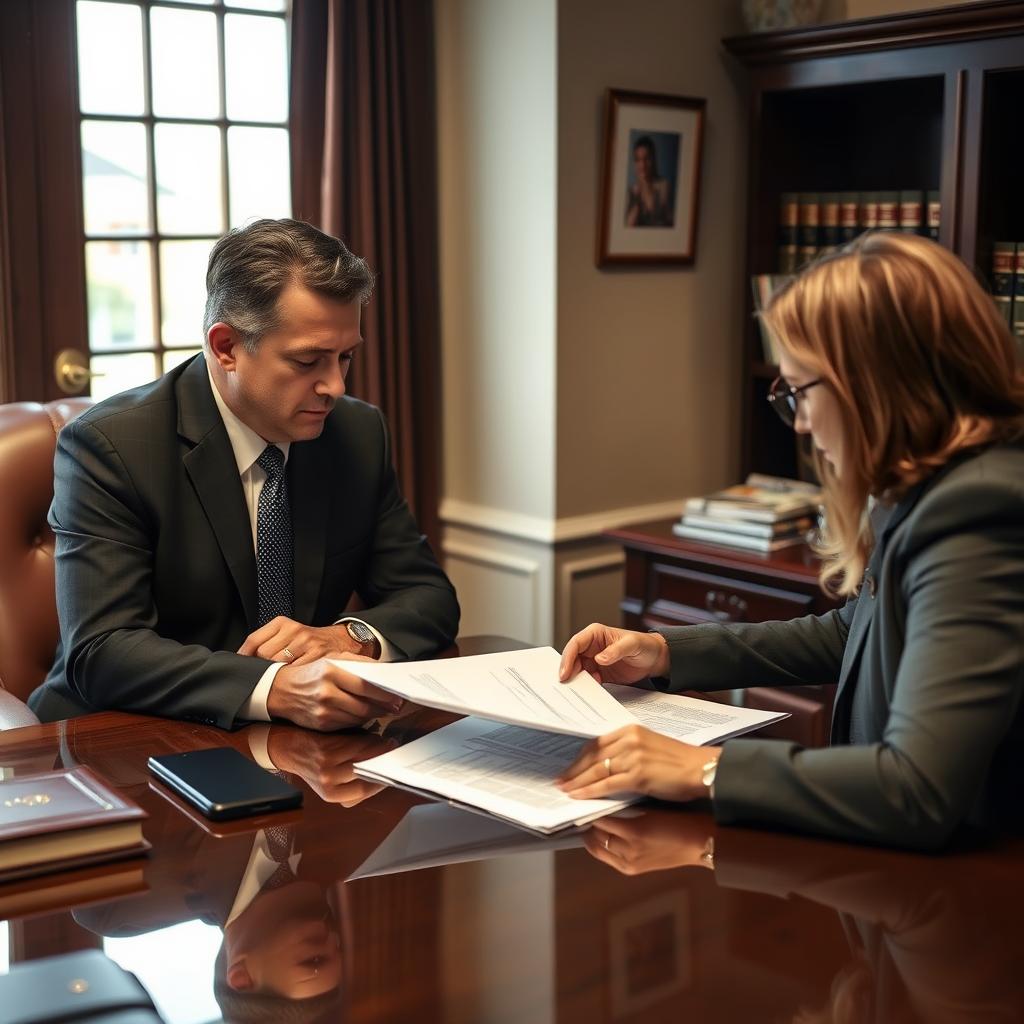
Access Device Fraud lawyer Albemarle County, VA
Federal access device fraud charges—prosecuted under 18 U.S.C. § 1029—carry severe consequences, including up to 20 years imprisonment and substantial financial penalties when the offense involves unauthorized use of credit cards, account numbers, or other account access instruments. In Albemarle County, these cases are investigated by federal agencies such as the FBI or Secret Service and prosecuted by the U.S. Attorney’s Office in the Western District of Virginia, typically at the Charlottesville Division of the U.S. District Court. If you are under investigation or have been indicted, an early response is critical. Request a consultation with Law Offices Of SRIS, P.C. at (888) 437-7747. Law Offices Of SRIS, P.C. – Advocacy Without Borders.
What Access Device Fraud Means in Albemarle County
Access device fraud encompasses a broad range of federal offenses involving the production, possession, trafficking, or use of counterfeit or unauthorized account-access tools—including stolen credit card numbers, cloned debit cards, skimmer equipment, and electronically obtained PINs or passwords. In Albemarle County, such conduct falls under the jurisdiction of the U.S. District Court for the Western District of Virginia, Charlottesville Division, located at 255 W Main St, Charlottesville, VA 22902. The U.S. Attorney’s Office typically assigns these matters to experienced federal prosecutors who work alongside FBI, U.S. Secret Service, or Postal Inspection Service investigators. Because the Western District covers a broad swath of Virginia—from the Shenandoah Valley to the Roanoke area—a defendant in Albemarle County may face a prosecutor who regularly handles interstate fraud networks, not just local financial crimes.
The federal system operates under the U.S. Sentencing Guidelines, which calculate offense levels based on the amount of loss, number of devices, and other aggravating factors under § 2B1.1. Sentencing enhancements for sophisticated means, leadership roles, or use of device-making equipment can significantly increase exposure. Moreover, federal law does not provide parole; good-time credits are limited to a maximum of 54 days per year. Given the gravity of potential penalties and the complexity of federal discovery—including forensic accounting reports, electronic surveillance records, and transactional data—an Albemarle County resident facing these charges benefits from representation that understands both the local federal court practice and the substantive nuances of 18 U.S.C. § 1029 litigation.
Albemarle County’s location at the junction of I‑64 and U.S. Route 29 places it within an investigation corridor that federal agencies routinely monitor. The county includes the Charlottesville area, Crozet, Earlysville, Ivy, and North Garden—communities where access device offenses sometimes involve college-town populations, out-of-state transactions, and interstate electronic communications that trigger federal interest. For these reasons, what begins as a local complaint may quickly escalate into a multi‑district investigation with potential mandatory minimums. Early engagement with defense counsel who understands the Charlottesville Division’s pretrial practices—from initial appearance and detention hearing procedures to the Magistrate Judge’s approach to release conditions—can materially shape the trajectory of the case.
The court regularly hears matters involving financial institution fraud, and the judges in the Western District apply the Sentencing Guidelines with careful attention to loss calculations under § 2B1.1. Additionally, the Department of Justice has placed increasing emphasis on cyber‑enabled financial fraud, which has led to more frequent indictments for access device offenses in the region. In this environment, a defense strategy must anticipate not only the statutory maximums but also the collateral consequences of a federal felony conviction—including supervised release terms, restitution orders, and potential impacts on professional licensing or security clearances.
How Mr. Sris and His Of Counsel Handle Access Device Fraud Cases
Mr. Sris and his Of Counsel begin every access device fraud matter with a thorough evaluation of the government’s investigation. This includes scrutinizing the affidavit supporting any search warrant or complaint, analyzing whether the alleged conduct satisfies the interstate-commerce and other jurisdictional elements required under 18 U.S.C. § 1029, and assessing whether any evidence was obtained in violation of the Fourth Amendment. In cases where the government’s case relies on electronic surveillance or data obtained from service providers, the defense team examines compliance with the federal wiretap statute and the Stored Communications Act to identify potential grounds for suppression.
Because federal prosecutors often present voluminous discovery in the weeks following indictment, Mr. Sris and his Of Counsel work to organize and digest financial records, transactional histories, and forensic reports promptly. This early-stage analysis can reveal weaknesses in the government’s loss calculations—an element that directly drives the Sentencing Guidelines range. The team also evaluates whether alternative theories of defense, such as lack of intent to defraud or mistaken identity, are available. In many federal access device cases, the government’s case turns on circumstantial evidence linking the defendant to specific transactions; the defense may challenge the reliability of IP addresses, geolocation data, or testimony from cooperating witnesses. Throughout the process, Mr. Sris and his Of Counsel maintain open communication with the client about the risks of trial and the possibilities of negotiating a favorable pre‑indictment resolution or plea agreement, while always preparing for trial before the U.S. District Court for the Western District of Virginia.
About Mr. Sris and His Of Counsel Team
Mr. Sris, Owner and Founder of Law Offices Of SRIS, P.C., established the firm in 1997 and concentrates his practice on complex federal criminal defense. A former prosecutor, he brings insight into how the government constructs its cases, from the grand jury stage through sentencing. Mr. Sris is admitted to practice in Virginia, Maryland, the District of Columbia, New Jersey, and New York, giving him the ability to handle multi‑district federal investigations that may span several jurisdictions. He testified before the Virginia House Courts of Justice Committee in support of 2019 HB 635 (chief patron Del. David Bulova).
Mr. Sris and his Of Counsel bring over 120 years of combined legal experience and have achieved 4,739+ documented firm-wide results for clients facing federal charges. Results may vary. The Of Counsel team includes attorneys who are well‑versed in federal sentencing advocacy and who have appeared before the U.S. District Court for the Western District of Virginia. Together, they work to develop a defense strategy tailored to the specific facts of each case, whether that involves challenging the sufficiency of the indictment, persuading the government to reduce charges before trial, or presenting mitigating evidence at sentencing.
Frequently Asked Questions
What is federal criminal court and how is it different in Virginia?
Federal criminal court in Virginia operates under the Federal Rules of Criminal Procedure, not the Virginia state court rules. Federal charges are prosecuted by a U.S. Attorney, typically carry more severe sentencing guidelines, and do not offer parole. The U.S. District Court for the Western District of Virginia hears cases arising in Albemarle County. State‑court experience does not automatically transfer to this forum; federal practice involves distinct pretrial detention standards, discovery protocols, and sentencing calculations under the U.S. Sentencing Guidelines. Early representation by counsel familiar with these differences helps a defendant navigate the process more effectively.
How does a Virginia lawyer defend against access device fraud charges?
A Virginia federal criminal defense lawyer examines the government’s evidence for Fourth Amendment violations, challenges the sufficiency of the charging documents, and scrutinizes loss calculations that drive the Sentencing Guidelines range under § 2B1.1. The defense may also present evidence negating intent to defraud, or demonstrate that the accused lacked knowledge of the device’s unauthorized nature. When the evidence is strong, experienced counsel can negotiate with the U.S. Attorney’s Office to seek a reduction of charges or a favorable plea agreement that limits exposure. Each case depends on its specific facts, and the defense must be tailored accordingly.
What should I do if I am facing access device fraud charges in Albemarle County, Virginia?
If you are under investigation or have been charged with access device fraud, do not discuss your case with anyone other than your attorney. Preserve all documents, communications, and electronic records that may be relevant. Avoid deleting any information, as this could be viewed as obstruction. Contact a federal criminal defense attorney immediately to discuss your situation. An attorney can intervene with investigators to limit the scope of questioning and help ensure your rights are protected during any search or seizure.
What are the penalties for access device fraud in Virginia federal court?
Under 18 U.S.C. § 1029, access device fraud can result in imprisonment for up to 20 years, significant fines, and lengthy supervised release. If the offense involves a prior conviction for the same crime, the maximum may increase. The actual sentence depends on the loss amount, number of victims, and other enhancements under the U.S. Sentencing Guidelines. Restitution is also a standard component of a federal sentence, requiring repayment to any identified victims. Because federal law abolished parole, an offender serves at least 85% of the imposed sentence, less limited good‑time credits.
Do I need a federal criminal defense lawyer in Albemarle County, Virginia?
Yes. Federal access device fraud cases are prosecuted by the U.S. Attorney’s Office, which has substantial resources and a high conviction rate. The federal procedural rules, sentencing guidelines, and discovery obligations differ markedly from state court practice. An attorney who practices in the Charlottesville Division of the U.S. District Court for the Western District of Virginia can evaluate whether the government has met its jurisdictional burden, assess the strength of the evidence, and identify potential defenses that a general practitioner might miss. Early engagement—ideally before indictment—can influence whether charges are filed at all.
For guidance on your specific situation, reach Law Offices Of SRIS, P.C. at (888) 437-7747.
Our Richmond Location serves clients at the Albemarle County courts. Contact us at (888) 437-7747 to schedule an appointment.
Internal links:
Federal Criminal lawyer Fairfax County |
Federal Criminal lawyer Prince William County |
Federal Criminal lawyer Fairfax City
Outbound authority links:
Virginia Courts |
Virginia Code
Attorney advertising. Prior results do not guarantee a similar outcome.
Case results depend on a variety of factors unique to each case.