
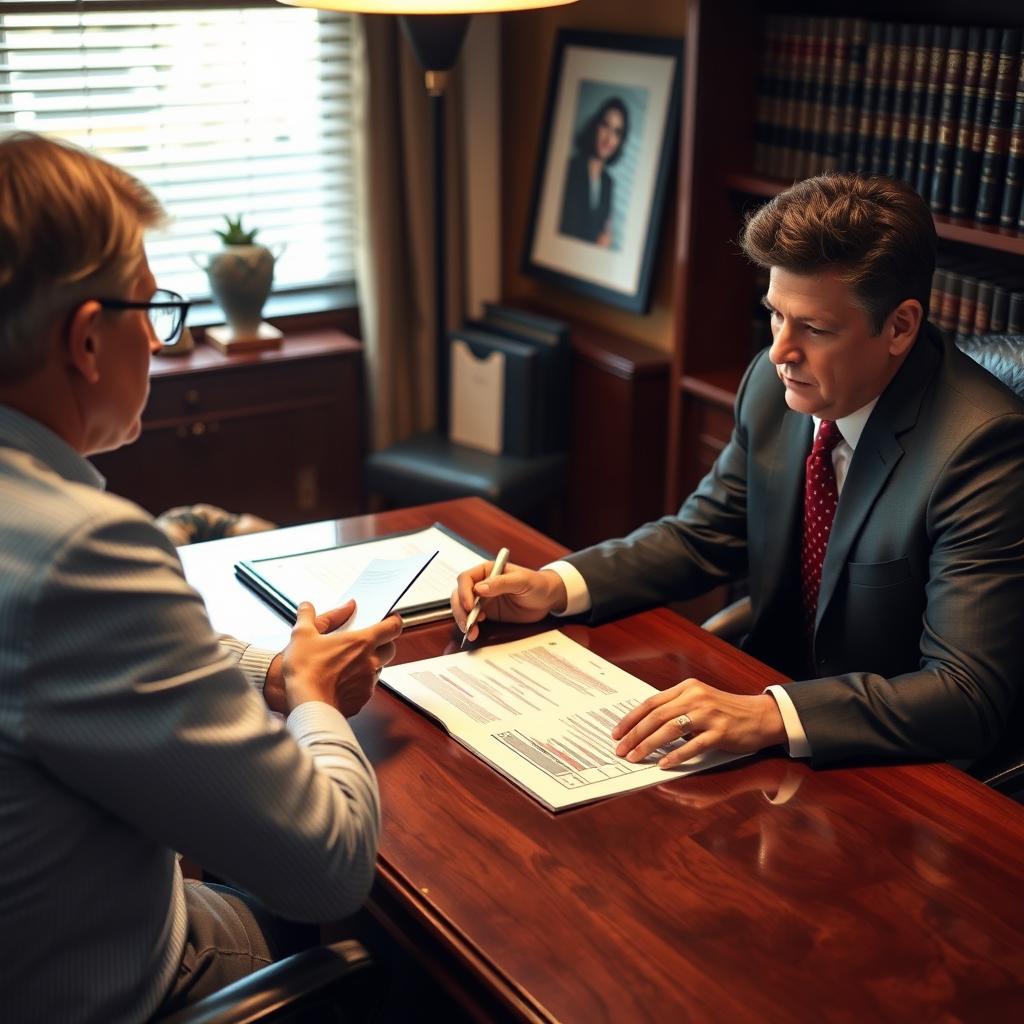
How can I defend against sex crime charges in Charlottesville
If you are facing a sex crime accusation in Charlottesville, Virginia, the path forward feels uncertain. A conviction can bring severe penalties—imprisonment, a permanent criminal record, and sex offender registration—that affect every part of your life. An experienced defense attorney can begin building your defense immediately. Law Offices Of SRIS, P.C. has represented individuals in Charlottesville courts on serious sex crime matters since 1997, and we understand how the Commonwealth’s Attorney prosecutes these cases. Our firm works with clients to challenge the evidence, protect their rights, and pursue the most favorable outcome available under the law. To schedule a consultation, call (888) 437-7747. Law Offices Of SRIS, P.C. – Advocacy Without Borders.
What a Sex Crime Charge Means in Charlottesville
In Charlottesville, a sex crime charge initiates a process that moves through both the Charlottesville General District Court and the Charlottesville Circuit Court. Misdemeanor sex offenses, such as sexual battery under Va. Code § 18.2-67.4, are heard in the General District Court. Felony charges—including rape, forcible sodomy, aggravated sexual battery, and possession of child pornography—start with a preliminary hearing in the General District Court. If a judge finds probable cause, the case is certified to the Charlottesville Circuit Court for trial. The Circuit Court, located at 606 East Market Street, handles all felony trials and has jurisdiction over the most serious offenses.
Virginia’s sex crime statutes carry wide penalty ranges. A conviction for rape (Va. Code § 18.2-61) or forcible sodomy (Va. Code § 18.2-67.1) can result in a sentence from five years to life in prison. Aggravated sexual battery (Va. Code § 18.2-67.3) is punishable by one to twenty years. Even misdemeanor sexual battery carries up to twelve months in jail and a fine. Beyond incarceration, the consequences of a sex offense conviction extend to mandatory registration with the Virginia Sex Offender and Crimes Against Minors Registry. Registration is frequently for life, with residency, employment, and community restrictions that follow a person indefinitely.
Charlottesville is served by the Commonwealth’s Attorney for the City of Charlottesville, who prosecutes these cases actively. The prosecution often relies on forensic evidence—DNA analysis, digital forensics for internet-related offenses, or testimony from a forensic interviewer—making an early defense investigation critical. Because the stakes are so high, a defense strategy typically begins with an immediate review of the arrest, the evidence, and any potential constitutional violations.
How Our Firm Handles Sex Crime Cases
Mr. Sris, the firm’s Owner and Founder, leads the defense of sex crime matters in Charlottesville. He works alongside the firm’s Of Counsel attorneys to evaluate every element of the charge, from the initial police contact through any forensic analysis. The first priority is protecting the client’s rights during questioning and investigation; no one should speak to law enforcement without counsel present. Next, the defense team examines the probable cause for the arrest, the legality of any search, and the reliability of witness or forensic evidence.
In sex crime cases, the firm’s approach is thorough and detail-oriented. Digital evidence—cell phone records, messages, and social media—may be challenged for authenticity or unlawfulness of seizure. Biological evidence can be tested by independent forensic experts. When the alleged victim is a child, the firm examines the circumstances of the forensic interview to ensure it meets accepted standards. The firm’s attorneys, drawing on Mr. Sris’s prosecutorial background, understand how the Commonwealth builds its case and use that insight to negotiate charge reductions, pretrial diversion, or a favorable plea, or to prepare a strong trial defense.
About Mr. Sris and the Firm’s Of Counsel Attorneys
Mr. Sris is a former prosecutor who founded Law Offices Of SRIS, P.C. in 1997. He is admitted to practice in Virginia, Maryland, the District of Columbia, New Jersey, and New York, and he personally handles complex criminal defense matters, including felony sex crimes. Mr. Sris testified before the Virginia House Courts of Justice Committee in support of 2019 HB 635 (chief patron Del. David Bulova). His background in accounting and information systems also brings a technical perspective to cases involving digital evidence.
The firm’s Of Counsel attorneys bring additional deep courtroom experience. Every attorney at the firm has over a decade of practice experience, and the team collectively has handled thousands of criminal matters across multiple jurisdictions. On Charlottesville sex crime cases, Mr. Sris is supported by Matthew Greene, a seasoned trial attorney with over thirty years of criminal defense experience and former death-penalty certification in Virginia. Together, they ensure each client receives a comprehensive defense.
Frequently Asked Questions
What are the most common defenses against sex crime charges in Virginia?
Defense strategies commonly include challenging the accuser’s credibility, presenting consent, demonstrating mistaken identity, and exposing constitutional violations in the investigation. In appropriate cases, the defense may argue that the act did not occur, that the accuser has a motive to fabricate, or that forensic evidence does not support the allegations. Fourth Amendment challenges—such as an unlawful search or seizure of a cell phone or computer—can suppress critical evidence. A seasoned attorney evaluates every possibility based on the specific facts of the case.
Should I speak to the police if I am accused of a sex crime in Charlottesville?
No. You should exercise your right to remain silent and immediately request to speak with an attorney before answering any questions. Anything you say to law enforcement can be used against you in court, even if you believe you are explaining or clarifying the situation. Once you ask for a lawyer, the police must stop questioning you. Contact defense counsel right away so your rights are protected from the earliest stage of the investigation.
How does a sex crime case move through the Charlottesville court system?
Felony sex crime charges begin with an arraignment and a preliminary hearing in the Charlottesville General District Court, then proceed to the Charlottesville Circuit Court for trial. The preliminary hearing determines whether there is enough evidence to send the case to the grand jury. If the grand jury indicts, the Circuit Court sets a trial date. The process can involve pretrial motions, discovery, and plea negotiations. Misdemeanor sex offenses are resolved entirely in the General District Court, though a defendant may appeal a conviction to the Circuit Court for a new trial.
What is the sex offender registry and how does it affect someone in Virginia?
The Virginia Sex Offender and Crimes Against Minors Registry is a public database maintained by the Virginia State Police that lists individuals convicted of certain sex offenses. Registration requirements can be lifetime for many felony sex crimes, including rape, forcible sodomy, and child pornography. The registry imposes restrictions on where a person can live, work, and spend time, and failure to comply with registration duties is itself a criminal offense. A key goal of defense is to avoid a registry-triggering conviction through charge reduction, dismissal, or acquittal.
Can a sex crime charge be reduced or dismissed in Charlottesville?
Yes. Many sex crime charges are reduced through negotiation or dismissed when the evidence is weak or unlawfully obtained. The Commonwealth’s Attorney may agree to reduce a felony charge to a misdemeanor that does not require sex offender registration, such as a simple assault, when the facts and law support it. Dismissals frequently occur when a successful motion to suppress evidence removes the prosecution’s key proof. An experienced defense attorney can identify these opportunities early.
Sex Crimes Defense in Fairfax County | Fairfax City Sex Crimes Lawyer | Falls Church Sex Crimes Attorney | Prince William County Sex Crimes Defense
Virginia Code Title 18.2 (Crimes and Offenses Generally) | Virginia Judicial System
Attorney advertising. Prior results do not guarantee a similar outcome. Case results depend on a variety of factors unique to each case. Results may vary.