
Note: This article is confirmed by Law Offices Of SRIS, P.C.
WRITTEN BY: Mr. Sris
Since 1997, Mr. Sris has led the firm, focusing on the most challenging criminal and family law cases. His background in accounting and information management aids in financial and technology-related cases. Involved in significant legislative changes in Virginia. Mr. Sris believes in actively participating in shaping law through community involvement.
Marital Settlement Agreement Lawyer Centreville VA
What is a Marital Settlement Agreement
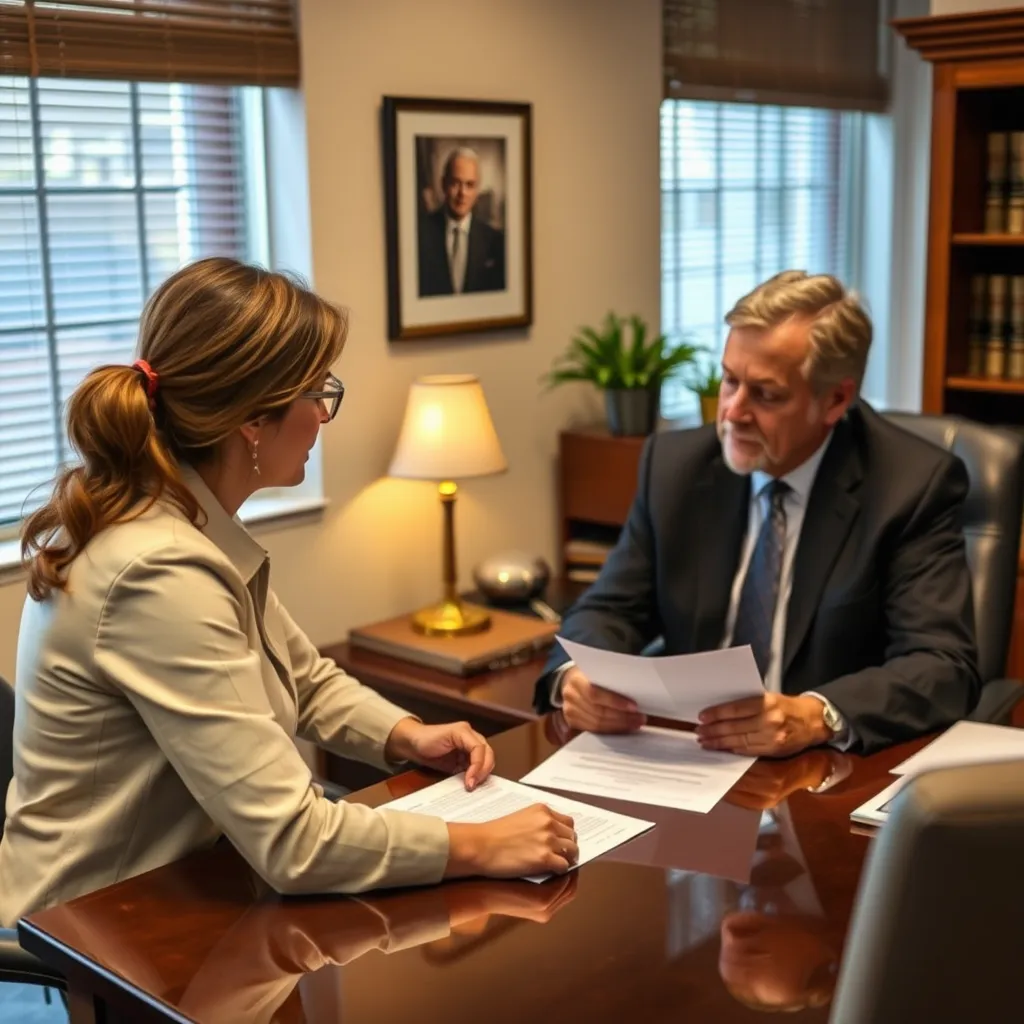
A marital settlement agreement serves as the foundation for divorce proceedings in Virginia. This document outlines how couples will handle their separation matters without court intervention. It covers financial arrangements, property distribution, and child-related decisions. The agreement becomes legally binding once incorporated into the divorce decree.
Creating this agreement involves several steps. First, both parties disclose their financial information completely. This includes assets, debts, income, and expenses. Next, negotiations address each aspect of the separation. Parties discuss property division, support payments, and parenting arrangements. Finally, the agreement gets drafted, reviewed, and signed by both spouses.
Legal strategies focus on protecting client interests while maintaining fairness. Attorneys help identify assets that might be overlooked. They ensure proper valuation of property and retirement accounts. Legal help addresses tax implications of different settlement options. Professionals work to create agreements that withstand future challenges.
Professional insight emphasizes the importance of thorough documentation. Virginia courts require full financial disclosure for valid agreements. Legal guidance helps avoid common pitfalls in settlement terms. Attorneys ensure agreements comply with state laws and court requirements. Proper preparation reduces the likelihood of future disputes.
Reality Check: These agreements require complete honesty about finances. Hidden assets or debts can invalidate the entire document.
How to Create a Separation Agreement
The separation agreement creation process follows a structured approach. First, both spouses must provide full financial disclosure. This includes listing all assets, debts, income sources, and expenses. Complete transparency at this stage prevents future legal problems. Virginia law requires this disclosure for agreements to be enforceable.
Action steps begin with gathering necessary documents. Collect bank statements, tax returns, investment accounts, and property records. Create inventories of personal property and household items. Document debts including mortgages, loans, and credit card balances. This comprehensive information forms the basis for negotiations.
The process continues with negotiating specific terms. Parties discuss how to divide marital property and debts. They establish spousal support amounts and duration if applicable. Parenting plans address custody, visitation, and child support. Each element requires careful consideration of current needs and future changes.
Defense options include provisions for modification and enforcement. Agreements should address how changes in circumstances will be handled. They include mechanisms for resolving disputes without returning to court. Proper drafting ensures terms are clear and enforceable under Virginia law. Legal review identifies potential issues before signing.
Professional insight highlights common areas requiring special attention. Retirement accounts need specific language for division. Tax consequences of property transfers should be considered. Provisions for health insurance and benefits require careful wording. Future income changes and relocation possibilities need addressing.
Straight Talk: Rushing through this process often leads to problems later. Take time to consider all aspects of your future needs.
Can I Modify a Divorce Agreement
Modification of divorce agreements addresses changing life circumstances. Virginia law allows adjustments to certain agreement terms when situations change substantially. The process varies depending on which provisions need modification and whether both parties agree.
Explanation begins with understanding which terms can be modified. Child support and custody arrangements are most commonly adjusted. Spousal support may be modified based on income changes. Property division terms generally cannot be changed after finalization. Understanding these distinctions helps manage expectations.
The process involves specific steps for seeking modifications. First, document the changed circumstances thoroughly. Gather evidence of income changes, relocation, or child’s needs. File appropriate paperwork with the court that issued the original order. Attend hearings where the judge reviews the requested changes.
Strategy focuses on demonstrating substantial change. Courts require proof that circumstances have changed significantly since the original agreement. This might include job loss, medical issues, or child’s educational needs. Legal help prepares documentation that meets court requirements. Professionals present arguments effectively during hearings.
Authority perspective emphasizes proper procedure. Attempting informal changes without court approval creates risks. Modified agreements should be documented properly through court orders. Legal guidance ensures modifications comply with Virginia law. Proper process protects both parties’ rights and interests.
Blunt Truth: Courts don’t modify agreements for minor inconveniences. You need proof of significant, lasting changes in circumstances.
Why Hire Legal Help for Agreement Matters
Hiring legal help for agreement matters offers several advantages. Professionals bring knowledge of Virginia family law requirements. They understand how courts interpret and enforce different agreement provisions. This experience helps create documents that work effectively over time.
The value begins with proper document preparation. Attorneys ensure agreements include all required elements under Virginia law. They use precise language that courts recognize and enforce. Legal review catches potential problems before documents are signed. This attention to detail prevents future legal challenges.
Process management benefits from professional involvement. Lawyers help gather and organize necessary financial information. They facilitate negotiations between parties when communication is difficult. Legal professionals maintain focus on practical solutions rather than emotional responses. This approach leads to more sustainable agreements.
Protection strategies address various concerns. Attorneys help ensure fair division of assets and debts. They consider tax implications of different settlement options. Legal guidance addresses child-related matters with appropriate sensitivity. Professionals work to create agreements that serve long-term interests.
Insight from practice reveals common issues. Many people overlook retirement account division requirements. Others fail to address future relocation possibilities. Some agreements lack proper enforcement mechanisms. Legal experience helps anticipate and address these concerns proactively.
Reality Check: Trying to handle involved legal documents alone often costs more in the long run. Mistakes in agreements can lead to expensive court battles later.
FAQ:
1. What does a marital settlement agreement cover?
It covers property division, debt allocation, support arrangements, and parenting plans for separating couples.
2. How long does creating this agreement take?
The process typically takes several weeks to months depending on challenge and cooperation between parties.
3. Can we create an agreement without lawyers?
Yes, but legal review helps ensure the document meets Virginia requirements and protects both parties.
4. What happens if one party violates the agreement?
The other party can seek court enforcement through contempt proceedings or other legal remedies.
5. Are these agreements always final?
Most terms are final, but child-related provisions and sometimes support can be modified with court approval.
6. How much does legal help cost for these agreements?
Costs vary based on challenge, but many firms offer flat fees or hourly rates for agreement preparation.
7. What if we reconcile after signing?
The agreement may be set aside if both parties agree and proper legal procedures are followed.
8. Do we need separate lawyers?
While not required, separate representation helps ensure each party’s interests are fully protected.
9. How are retirement accounts divided?
Specific court orders called QDROs are needed to divide retirement accounts without tax penalties.
10. What if my spouse hides assets?
Full disclosure is required, and hidden assets can lead to agreement invalidation and legal consequences.
11. Can the agreement address future events?
Yes, it can include provisions for relocation, income changes, and other foreseeable circumstances.
12. How does this differ from a divorce decree?
The agreement becomes part of the divorce decree, making its terms enforceable as court orders.
Past results do not predict future outcomes
If you want to see how a Centreville case fits into the wider process, our page on marital settlement agreement lawyer Fairfax County covers it from start to finish.