
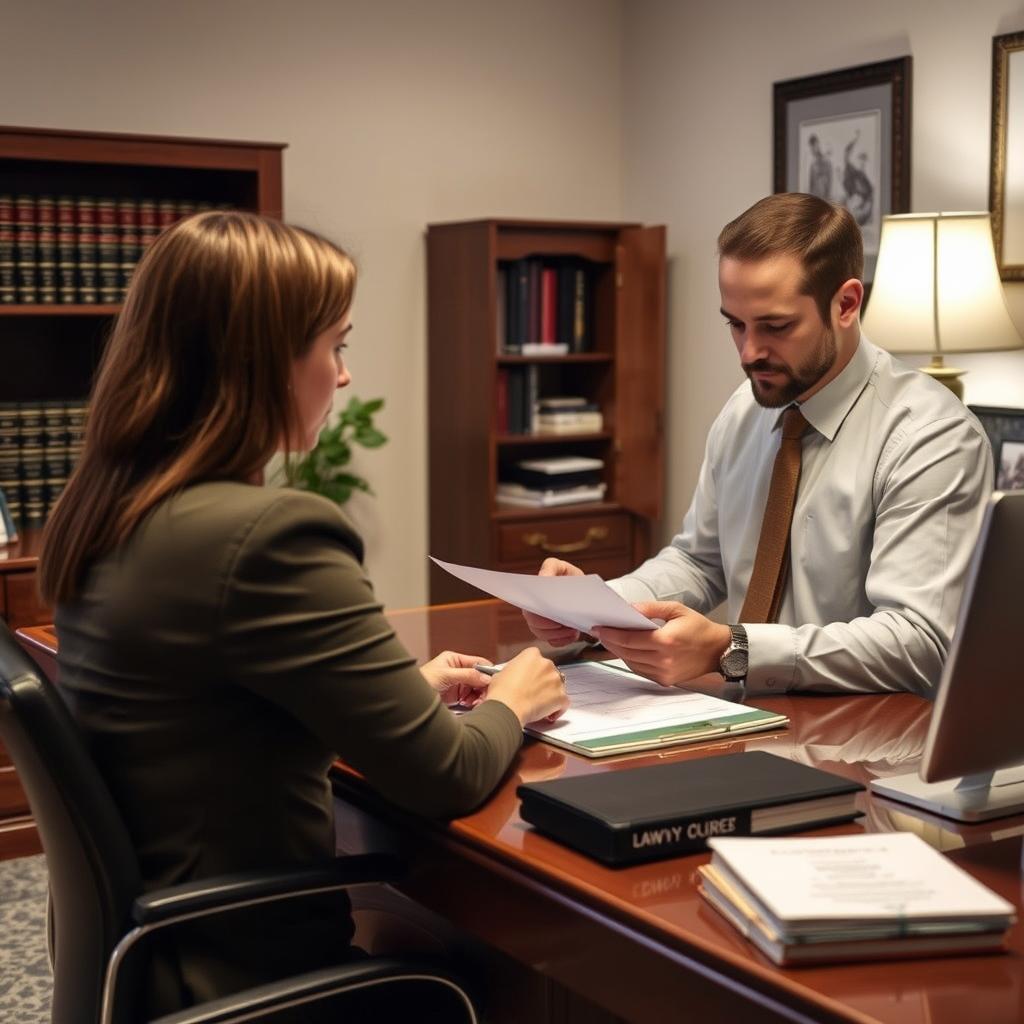
Adultery Divorce Lawyer in Dinwiddie County, Virginia — What Are Your Rights?
Adultery is a fault-based ground for divorce in Virginia under Va. Code § 20-91, requiring clear and convincing evidence of sexual intercourse outside the marriage. An experienced Adultery Divorce Lawyer Dinwiddie County is essential to handle the sensitive proof requirements and protect your interests in property division and support. Law Offices Of SRIS, P.C.
Last verified: April 2026 | Dinwiddie County Circuit Court | Virginia General Assembly
Virginia Adultery Divorce Law and Proof
Virginia law defines adultery as voluntary sexual intercourse between a married person and someone other than their spouse. It is one of several fault grounds for divorce under Va. Code § 20-91. Unlike a no-fault divorce based on separation, an adultery divorce has no mandatory waiting period, but the burden of proof is high. The accusing spouse must present “clear and convincing evidence” of the act. This often involves circumstantial evidence, such as text messages, emails, hotel receipts, photographs, or witness testimony. The court must be convinced that adultery occurred. An Adultery Divorce Lawyer Dinwiddie County can assess the strength of your evidence and advise on the strategic use of a fault ground versus a no-fault separation.
Official Legal Resources
- Va. Code § 20-91 (official Virginia General Assembly) – Lists all grounds for divorce, including adultery.
- Dinwiddie County Circuit Court – Official court website for filing divorce cases.
Local Court Process for an Adultery Divorce in Dinwiddie
Dinwiddie County Circuit Court handles all divorce filings, including those based on adultery. The procedural steps are specific and must be followed precisely. The court requires at least one corroborating witness for an uncontested hearing, which can be challenging in adultery cases where the act is private. A property settlement agreement signed by both parties can resolve all issues without a trial, but negotiating such an agreement when fault is alleged requires careful legal strategy.
- Consultation & Evidence Review: Meet with your lawyer to review all evidence, discuss legal strategy, and decide whether to pursue a fault-based or no-fault divorce.
- Filing the Complaint: Your lawyer files a Complaint for Divorce with the Dinwiddie County Circuit Court clerk, stating adultery as the ground and outlining requests for relief (property, support, etc.).
- Service of Process: The complaint is formally served on your spouse by a sheriff, private process server, or accepted waiver.
- Discovery & Negotiation: The evidence-gathering phase. Your lawyer may use interrogatories, requests for admission, or depositions to build the case, aiming to reach a settlement agreement.
- Trial (if contested): If no agreement is reached, the case proceeds to a bench trial where you must present clear and convincing evidence of adultery to the judge.
- Final Decree: The judge issues a final decree of divorce, granting the divorce and ruling on all related issues like property division and spousal support.
Potential Consequences and Considerations
In Dinwiddie County, proving adultery can impact property division and spousal support under Virginia’s equitable distribution laws, but it does not guarantee a specific financial outcome.
While Virginia is an equitable distribution state (Va. Code § 20-107.3), a court may consider marital misconduct, including adultery, as one factor when dividing marital property or awarding spousal support. However, it is not the primary factor. The court’s main focus is on statutory factors like the length of the marriage, each spouse’s monetary and non-monetary contributions, and their economic circumstances. Proving adultery may also bar the adulterous spouse from receiving spousal support in some cases. An Adultery Divorce Lawyer Dinwiddie County can explain how fault might influence your specific case.
Results may vary. Prior results do not guarantee a similar outcome.
Firm Authority and Experience
Law Offices Of SRIS, P.C. was founded in 1997 by former prosecutor Mr. Sris. The firm brings over 120 years of combined attorney experience to complex family law matters. A key differentiator is that Mr. Sris personally played a role in amending Virginia’s equitable distribution statute, Va. Code § 20-107.3, giving the firm deep, firsthand knowledge of the law governing property division in divorce cases, including those involving adultery.
Samantha Rae Powers, Associate Attorney at Law Offices Of SRIS, P.C. — Licensed in VA, FL. Experienced family law and civil litigator. View Samantha Rae Powers’s Profile
Documented Case Results
Law Offices Of SRIS, P.C. has 30 total documented case results in Dinwiddie County across all practice areas, with a 100% favorable outcome rate. These results demonstrate our active presence and understanding of the local court system.
Results may vary. Prior results do not guarantee a similar outcome.
Local Representation for Dinwiddie County
Our Richmond location serves clients at the Dinwiddie County courts. We are your local Adultery Divorce Lawyer Dinwiddie County resource, accessible via I-85, Route 1, and Route 460. We serve the communities of Dinwiddie and McKenney.
Availability: 24/7 phone consultations — meetings by appointment only.
Contact: Law Offices Of SRIS, P.C. | Richmond Location — 7400 Beaufont Springs Dr, Suite 300, Rm 395, Richmond, VA 23225
Toll-Free: (888) 437-7747 | Local: (804)201-9009
By appointment only.
Adultery Divorce in Dinwiddie County: Frequently Asked Questions
What evidence is needed to prove adultery in a Virginia divorce?
Yes, clear and convincing evidence is required. This can include direct evidence like photographs or admissions, but more often relies on strong circumstantial evidence such as text messages, emails showing intent, hotel receipts, witness testimony of the couple being together under intimate circumstances, or proof of opportunity and inclination. An infidelity divorce grounds lawyer Dinwiddie County can evaluate what evidence you have and advise on its sufficiency for court.
Does proving adultery guarantee I will get more property or alimony?
No. Virginia courts divide marital property equitably (fairly), not necessarily equally. Adultery is one factor a judge may consider under Va. Code § 20-107.3, but it is not the most important factor. The court focuses on economic contributions, needs, and the marriage’s duration. Adultery can affect spousal support, potentially barring an adulterous spouse from receiving it.
Should I file for divorce based on adultery or separation?
It depends. An adultery divorce has no waiting period, while a no-fault divorce requires a 6-month or 1-year separation. However, proving adultery adds cost, complexity, and conflict. A strategic cheating spouse divorce lawyer Dinwiddie County can analyze your goals, evidence, and whether the potential benefits of a fault ground outweigh the drawbacks of a contested proceeding versus an uncontested separation divorce.
Can I get a divorce if my spouse denies committing adultery?
Yes, but it becomes a contested matter requiring a trial. You must present your evidence to the Dinwiddie County Circuit Court judge, who will decide if it meets the “clear and convincing” standard. If the judge is not convinced, the divorce may not be granted on that ground, and you may need to refile using a different ground, like separation.
How long does an adultery divorce take in Dinwiddie County?
An uncontested adultery divorce with a signed settlement agreement can take 2-4 months from filing. A contested adultery divorce that goes through discovery and trial can take 9-18 months or longer, depending on the court’s docket and the complexity of proving the fault ground and resolving financial issues.
Internal Links: For more information, see our Virginia Family Law Lawyer hub page. We also assist clients in nearby areas like Henrico County and Chesterfield County. If you have other legal needs in Dinwiddie, consider our Criminal Defense Lawyer or Personal Injury Lawyer services.
Last verified: April 2026. Information updated from 2026-02-15. Laws change — contact Law Offices Of SRIS, P.C. at (888) 437-7747 for current guidance.