
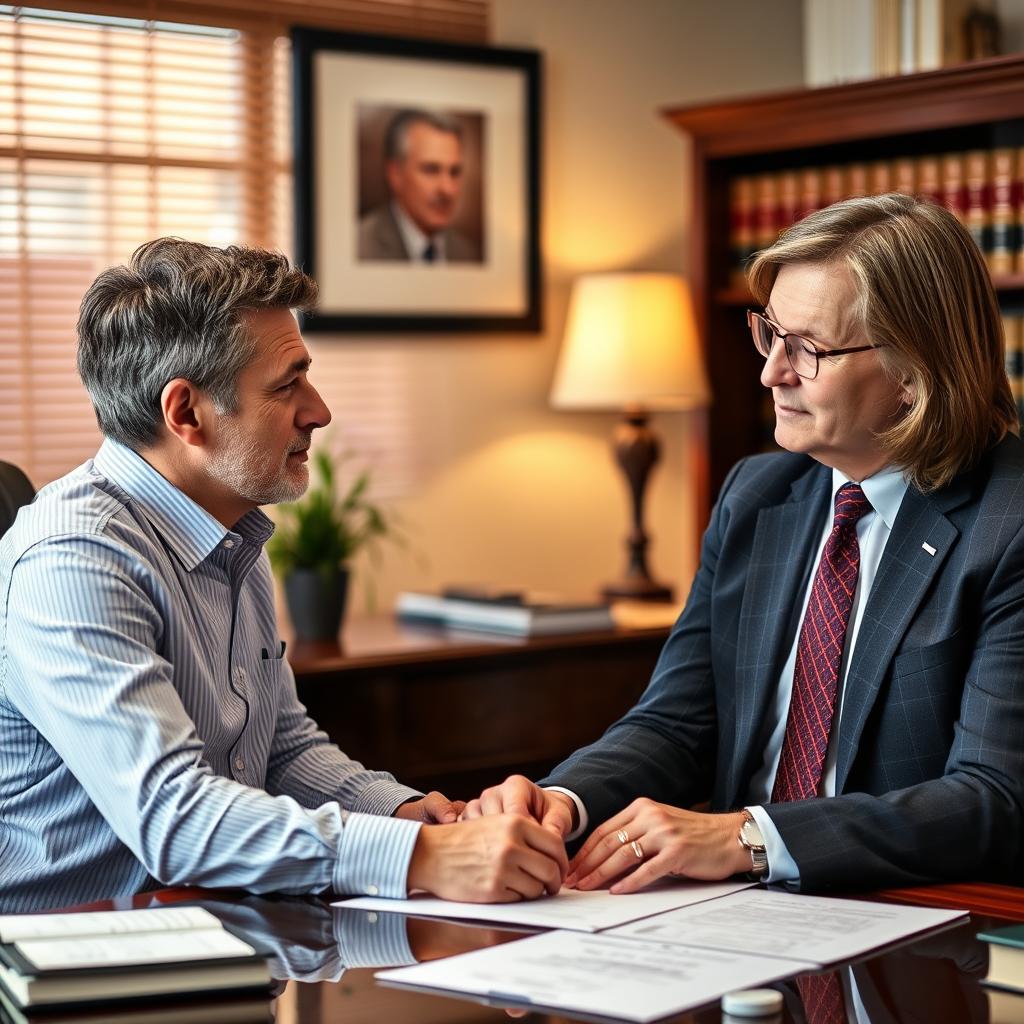
Adultery Divorce Lawyer Fauquier County — What Are Your Rights?
Adultery is a fault-based ground for divorce in Virginia under Va. Code § 20-91, requiring clear proof and carrying significant legal consequences for property division and support. An experienced adultery divorce lawyer Fauquier County from Law Offices Of SRIS, P.C. can guide you through the sensitive process at Fauquier County Circuit Court.
Last verified: April 2026 | Fauquier County General District Court | Virginia General Assembly
Virginia Law on Adultery as a Ground for Divorce
In Virginia, adultery is defined as voluntary sexual intercourse between a married person and someone other than their spouse. It is one of several fault-based grounds for divorce codified in Va. Code § 20-91. Unlike a no-fault divorce based on separation, proving adultery has no mandatory waiting period, meaning a divorce complaint can be filed immediately upon discovery. However, the burden of proof is high—the evidence must be clear, convincing, and corroborated. The consequences of a proven adultery claim can directly impact the court’s decisions under Va. Code § 20-107.3 (equitable distribution) and § 20-107.1 (spousal support), potentially disadvantaging the at-fault spouse.
Local Court Process for an Adultery Divorce
All divorce cases in Fauquier County, including those based on adultery, are filed with the Fauquier County Circuit Court at 6 Court Street in Warrenton. The process is inherently more contentious than an uncontested separation. You must file a detailed complaint alleging the adultery, and the accused spouse has the right to file an answer, potentially denying the allegations. Discovery—the formal exchange of evidence—becomes critical and may involve subpoenas, depositions, and requests for documents. Given the personal nature of the allegations, the court may also refer the case to mediation to see if a settlement can be reached on other issues like property division.
- Consult with an experienced adultery divorce lawyer Fauquier County to evaluate your evidence and strategy.
- Your attorney will draft and file a Complaint for Divorce based on adultery with the Fauquier County Circuit Court clerk.
- Formal “discovery” begins, where both sides gather evidence through interrogatories, requests for documents, and possibly depositions.
- Attend settlement conferences or mediation to resolve financial and custody matters, separating them from the fault allegation.
- If no settlement is reached, proceed to a contested hearing where you must present clear, convincing, and corroborated proof of adultery to the judge.
Potential Consequences and Strategic Considerations
In Fauquier County, a proven claim of adultery can significantly influence property division, spousal support, and even child custody determinations, making skilled legal representation essential.
While Virginia is an equitable distribution state (not 50/50), a finding of adultery can be a factor the court considers when dividing marital property, potentially skilled to a more favorable distribution for the innocent spouse. More directly, adultery can bar an at-fault spouse from receiving spousal support. In child custody cases under Va. Code § 20-124.3, the court must consider any history of family abuse. While adultery itself is not abuse, the circumstances surrounding it (e.g., exposing a child to an paramour, using marital funds to support an affair) can be deemed contrary to the child’s best interests. A strategic approach often involves weighing the benefit of a faster, fault-based divorce against the cost, emotional toll, and public exposure of a contested trial.
Samantha Rae Powers, Associate Attorney at Law Offices Of SRIS, P.C. — Licensed in VA, FL. Experienced family law and civil litigator. View Samantha Rae Powers’s Profile
Case Results and Firm Authority in Fauquier County
Law Offices Of SRIS, P.C. brings direct, relevant experience to Fauquier County family law matters. Founded in 1997, our firm has a documented record of 73 case results in Fauquier County across all practice areas, with a 97% favorable outcome rate. Our managing attorney, Mr. Sris, possesses unique authority in Virginia divorce law, having personally played a key role in amending the state’s equitable distribution statute, Va. Code § 20-107.3. This deep, insider understanding of the law’s intent and application is a distinct advantage in building persuasive arguments for clients facing infidelity divorce grounds in Fauquier County.
Results may vary. Prior results do not guarantee a similar outcome.
Adultery Divorce Lawyer Near Fauquier County
Our Fairfax location serves clients in Warrenton and throughout Fauquier County. We are accessible via I-66, Route 29, and Route 17. We provide representation for individuals in Warrenton, New Baltimore, Bealeton, Marshall, and The Plains.
Law Offices Of SRIS, P.C.
4008 Williamsburg Ct, Fairfax, VA 22032
Toll-Free: (888) 437-7747 | Local: (703) 636-5417
By appointment only. 24/7 phone consultations.
Fauquier County Adultery Divorce FAQs
How do I prove adultery in a Virginia divorce?
Yes, you need clear and convincing evidence that is corroborated. Direct evidence can include photographs, communications, or admissions. Circumstantial evidence, like hotel receipts or witness testimony about behavior, may also be used, but it must be compelling. An experienced infidelity divorce grounds lawyer Fauquier County can help you gather and present evidence that meets the court’s strict standard.
Can adultery affect child custody in Virginia?
It depends. Adultery alone is not a direct factor, but the judge must consider the child’s best interests. If the affair negatively impacts the child’s environment or well-being, or if marital assets were misused, it can influence custody. The court’s primary focus remains on stability and the child’s safety.
Does proving adultery guarantee I will get more property or alimony?
No, it is not a guarantee. Virginia is an equitable distribution state. A finding of adultery is one factor a judge may consider when dividing property or awarding spousal support. It can lead to a more favorable division for the innocent spouse and may bar the at-fault spouse from receiving support, but outcomes depend on the case’s full circumstances.
Should I hire a cheating spouse divorce lawyer Fauquier County for an uncontested divorce?
Yes, it is highly advisable. Even if you and your spouse agree to divorce, if adultery occurred, it can complicate the settlement agreement regarding property and support. A lawyer ensures your rights are protected in the agreement and that it is drafted to be enforceable, preventing future disputes.
What is the difference between a no-fault and adultery divorce in Virginia?
The key differences are the waiting period and the process. A no-fault divorce requires a 6-month or 1-year separation period. An adultery divorce has no waiting period but requires proof in a contested legal proceeding. The no-fault path is generally simpler, less expensive, and less adversarial than proving fault.
For more information, see our Virginia Family Law overview. We also assist clients in Fairfax County and with criminal defense matters in Fauquier County.
Last verified: April 2026. Laws change — contact Law Offices Of SRIS, P.C. for current guidance.