
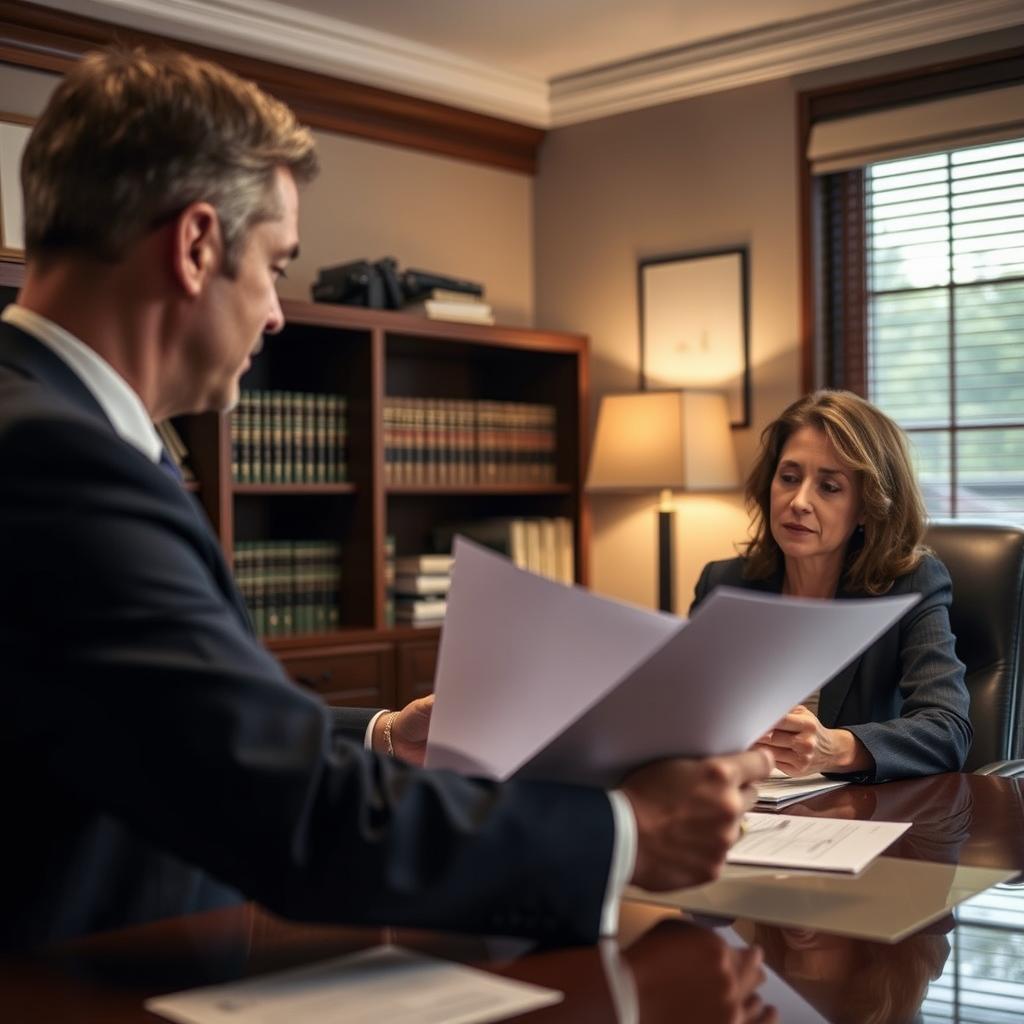
Commercial Contract Lawyer Orange County, VA
Commercial contract disputes in Orange County, Virginia—from the town of Orange to Gordonsville—are governed by an intricate framework of state statutes, including the Virginia Uniform Commercial Code (Title 8 of the Code of Virginia) and the Virginia Trade Secrets Act. When business relationships sour and contractual obligations are breached, the Orange County Circuit Court on North Madison Road becomes the forum for resolution. Law Offices Of SRIS, P.C., founded in 1997 by Mr. Sris, concentrates its practice on commercial law matters. Through its Fairfax location, the firm serves clients throughout the 16th Judicial District. Mr. Sris, a former prosecutor, and his Of Counsel team bring extensive combined legal experience to contract disputes, whether involving the sale of goods, commercial leases, franchise agreements, or trade secret protection. Understanding the applicable deadlines is critical: Virginia’s statute of limitations for written contract claims is generally five years, while claims under the Uniform Commercial Code’s sales article have a four-year limit. Potential remedies, including compensatory damages, specific performance, or exemplary damages under trade secret law, depend on the specific contractual provisions and the nature of the breach. Mr. Sris and his Of Counsel evaluate each case under the applicable commercial statutes to develop a strategy tailored to the client’s goals. To discuss your commercial contract matter and schedule a consultation, call (888) 437-7747. Law Offices Of SRIS, P.C. – Advocacy Without Borders.
What Commercial Contract Law Means in Orange County, Virginia
Commercial contract law in Orange County covers a broad range of disputes arising from agreements between businesses or between businesses and individuals. The Virginia Uniform Commercial Code (UCC), codified in Title 8 of the Code of Virginia, provides the statutory foundation for sales of goods, negotiable instruments, bank deposits, and secured transactions. In Orange County, contract disputes frequently involve the sale of commercial goods, equipment leases, vendor agreements, and business purchase contracts. The Virginia Trade Secrets Act (Va. Code § 59.1-336 et seq.) may also come into play when confidential business information is at issue. Litigation in these matters typically unfolds in the Orange County Circuit Court, which handles civil claims. For claims within certain monetary limits, the Orange County General District Court may also have jurisdiction (Va. Code § 16.1-77). The court encourages alternative dispute resolution (ADR) methods such as mediation or arbitration to resolve contractual disagreements without trial.
The local business landscape, which includes agricultural enterprises, manufacturing firms, and service providers, contributes to a steady volume of commercial disputes. Proximity to Charlottesville also means cross-county contractual relationships are common. Whether a dispute involves breach of a supply agreement, failure to deliver goods, or enforcement of a non‑compete clause, understanding the interplay of UCC provisions, common‑law contract principles, and local court procedures is essential. Practitioners must pay careful attention to the statute of limitations, as missing a filing deadline can bar the claim entirely. For this reason, obtaining prompt legal review is a proactive step for any business owner or individual facing a potential commercial contract issue in Orange County.
How Mr. Sris and His Of Counsel Handle Commercial Contract Cases
When a client contacts Law Offices Of SRIS, P.C., with a commercial contract concern, the first step is a thorough review of the contract terms, any correspondence between the parties, and the relevant statutory framework. Mr. Sris and his Of Counsel team examine whether the agreement falls under the UCC or common law, as this distinction affects the available remedies and the statute of limitations. If the dispute involves the sale of goods, UCC Article 2 governs warranties, acceptance, and performance. For agreements involving real property or services, common‑law contract principles apply. The firm evaluates the strengths and weaknesses of the client’s position and then develops a strategy that may involve pre‑litigation negotiation, mediation, or, if necessary, filing a complaint in the appropriate court.
The Of Counsel team includes attorneys with strong backgrounds in business law and sophisticated negotiation. One Of Counsel attorney holds a Ph.D. In Communication and has published peer‑reviewed research on emotional communication in professional settings—a skill set that is directly applicable to resolving commercial disputes outside the courtroom. When litigation is unavoidable, the firm prepares meticulously, marshaling documentary evidence, engaging forensic accountants or industry attorneys when warranted, and advocating for the client in hearings and at trial. Throughout the process, the focus remains on achieving a practical resolution that aligns with the client’s business objectives.
About Mr. Sris and His Of Counsel Team
Mr. Sris, Owner and Founder of Law Offices Of SRIS, P.C., began practicing law in 1997 after serving as a former prosecutor. He is admitted in Virginia, Maryland, the District of Columbia, New Jersey, and New York. Mr. Sris testified before the Virginia House Courts of Justice Committee in support of 2019 HB 635 (chief patron Del. David Bulova). All attorneys who work with the firm are Of Counsel; the firm has no associates or employees. Mr. Sris and his Of Counsel bring extensive combined legal experience to commercial contract disputes. Results may vary.
The firm’s Fairfax location serves clients throughout Orange County and the broader Northern Virginia region. Staff members speak English, Spanish, and Tamil, enabling the firm to communicate with a diverse client base. Consultations are by appointment only. To schedule a consultation about a commercial contract dispute, call (888) 437-7747.
Frequently Asked Questions
What is the difference between commercial law and business law?
Business law covers entity formation and governance—matters such as incorporation, operating agreements, and corporate compliance. Commercial law focuses on transactions, trade, and the legal rules that govern business‑to‑business relationships. In Virginia, the Uniform Commercial Code, the Virginia Trade Secrets Act, and the Virginia Consumer Protection Act are core commercial statutes. Commercial law disputes often involve breach of contract, sales of goods, trade secret claims, and franchise disagreements. While the two fields overlap, commercial law generally deals with what happens after a business is formed.
What is the statute of limitations for a commercial contract claim in Virginia?
The deadline to file suit depends on the nature of the contract. For written, signed contracts that do not involve the sale of goods, Virginia law provides a five‑year limitations period (Va. Code § 8.01‑246(2)). Oral contracts must be sued upon within three years (Va. Code § 8.01‑246(4)). For contracts governed by the Uniform Commercial Code—typically the sale of goods—the limitations period is four years from the date the breach occurs (Va. Code § 8.2‑725). Because missing a deadline can forever bar a claim, anyone who suspects a breach should consult a lawyer promptly.
Do I need a lawyer for a commercial contract dispute in Orange County?
While Virginia does not require you to hire an attorney to file a contract claim, commercial disputes often involve complex legal and factual issues. An experienced lawyer can assess the strengths and weaknesses of your position, identify applicable UCC provisions, and negotiate with the opposing party from a position of knowledge. If the case goes to litigation, the procedural rules and evidence requirements can be difficult to navigate without counsel. For most businesses, having legal representation is a prudent step toward protecting financial interests and avoiding costly missteps.
How does the litigation process work for commercial contract cases in Orange County Circuit Court?
A commercial contract lawsuit typically begins with the plaintiff filing a complaint in the Orange County Circuit Court. The defendant is served and must file a responsive pleading, usually an answer, within the time set by the court. The parties then engage in discovery—exchanging documents, answering written questions, and conducting depositions. Either side may file a motion for summary judgment, asking the court to decide the case without a trial. If summary judgment is not granted, the case proceeds to trial. Throughout the process, mediation or settlement conferences are often encouraged by the court.
What damages are available in a commercial contract case?
Available damages depend on the specifics of the contract and the applicable law. Under the Uniform Commercial Code, a buyer may recover the difference between the contract price and the cost of cover, plus incidental and consequential damages. A seller may recover the contract price or, if the goods are resold, the difference between the contract price and the resale price. In trade secret misappropriation cases, Virginia law allows recovery of actual damages, unjust enrichment, and, in cases of willful and malicious conduct, exemplary damages up to twice the actual damages. Attorneys’ fees may be recoverable if the contract contains a fee‑shifting provision.
What should I do if I receive a demand letter related to a commercial contract?
A demand letter signals that the other side intends to pursue a claim. Do not ignore it. Read the letter carefully to understand the alleged breach and the remedy sought. Avoid responding directly without legal advice, as your reply could be used against you later. Preserve all relevant documents, emails, and communications. Contact an attorney who concentrates in commercial law to review the letter, assess your exposure, and help craft a response. Prompt action can often lead to a negotiated resolution before litigation becomes necessary.
Attorney advertising. Prior results do not guarantee a similar outcome. Results may vary.
Case results depend on a variety of factors unique to each case.