
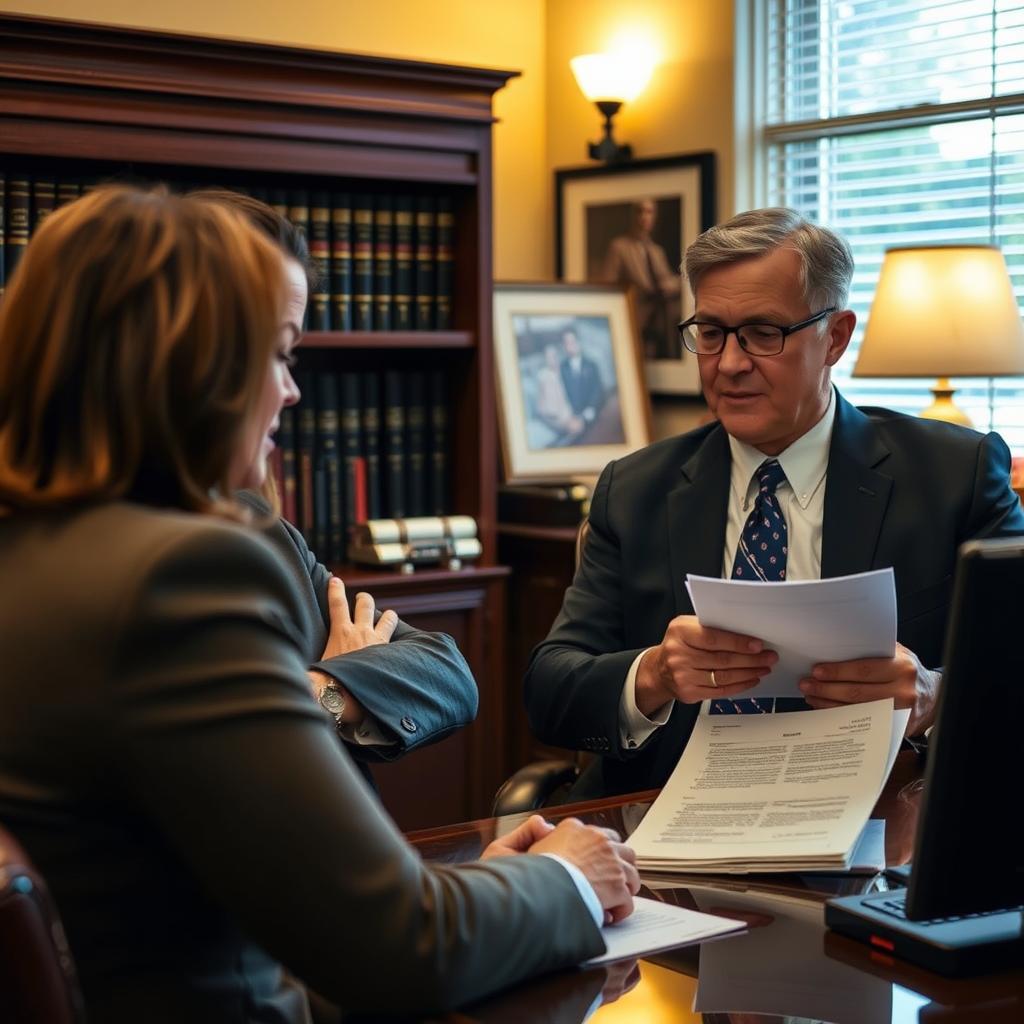
Destruction of Property Defense Lawyer Charlottesville, VA
Facing a destruction of property charge in Charlottesville, Virginia means confronting a criminal case that can carry jail time, a permanent record, and an order to pay restitution. Under Virginia law, any intentional damage to another person’s property—whether graffiti, vandalism, vehicle damage, or other acts—may be charged as a misdemeanor or a felony, depending on the dollar value of the damage. A conviction can affect employment, housing, professional licenses, and immigration status. At Law Offices Of SRIS, P.C., Mr. Sris and his Of Counsel team bring over 120 years of combined legal experience and 4,739+ documented firm-wide results to defense representation in the courts that serve Charlottesville and the surrounding area. Results may vary. We understand how these cases are prosecuted locally and work to protect your rights while seeking a favorable resolution. To request a consultation, call (888) 437-7747. Law Offices Of SRIS, P.C. — Advocacy Without Borders.
What a Destruction of Property Charge Means in Charlottesville, VA
Virginia law defines destruction of property as intentionally damaging or destroying property that belongs to another. The charge may arise from incidents involving residential or commercial buildings, motor vehicles, fences, public structures, or personal belongings. In Charlottesville, charges are typically initiated by the Charlottesville Police Department, the Albemarle County Police Department, or the University of Virginia Police Department, and they are prosecuted by the Commonwealth’s Attorney for the City of Charlottesville or for Albemarle County, depending on where the alleged offense occurred.
Destruction of property cases in the Charlottesville area are heard in the General District Court located at 350 Park Street, Charlottesville, Virginia 22902. That courthouse—the Albemarle County General District Court—also handles preliminary hearings for felony-grade charges. If the charge is a felony, the matter proceeds to the Circuit Court for the City of Charlottesville or Albemarle County after a preliminary hearing or indictment. Because the distinction between a misdemeanor and a felony rests entirely on the dollar value of the damage, the prosecution’s evidence of valuation is often a central point in the defense. Mr. Sris and his Of Counsel are familiar with the local court procedures and regularly appear in the Charlottesville-area courts.
How Mr. Sris and His Of Counsel Handle Destruction of Property Defense Cases
The defense of a destruction of property charge begins with a careful review of the evidence. Our team examines the police reports, witness statements, photographs, repair estimates, and any video or digital evidence to identify weaknesses in the prosecution’s case. Common defense avenues include challenging whether the damage was caused intentionally or recklessly—Virginia’s statute requires intentional damage—establishing that the property owner consented to the conduct, or demonstrating mistaken identity. In some situations, we negotiate with the Commonwealth’s Attorney to amend the charge to a lesser offense or obtain a disposition through a first-offender program, such as the deferred disposition available under Virginia law. If a trial is necessary, Mr. Sris and his Of Counsel are prepared to try the case in General District Court or, for felonies, in Circuit Court, and to present a thorough defense on the facts.
Because the value of the damage determines whether the charge is a misdemeanor or a felony, we pay close attention to any evidence of repair costs or replacement value. An independent evaluation—through an experienced attorney or by challenging the prosecution’s estimate—can sometimes reduce a felony to a misdemeanor, significantly lowering the potential penalties. In every case, our objective is to seek the favorable outcomes available under the circumstances. Results may vary. In any individual matter.
About Mr. Sris and His Of Counsel Team
Mr. Sris is the Owner and Founder of Law Offices Of SRIS, P.C. A former prosecutor, he brings a detailed understanding of how criminal cases are built and prosecuted. Mr. Sris is admitted to practice in Virginia, Maryland, the District of Columbia, New Jersey, and New York, and he has represented individuals in criminal matters since founding the firm in 1997. He testified before the Virginia House Courts of Justice Committee in support of 2019 HB 635 (chief patron Del. David Bulova).
Mr. Sris works collaboratively with a team of Of Counsel attorneys who collectively contribute over 120 years of combined legal experience and have achieved 4,739+ documented firm-wide results. Results may vary. Every attorney engaged through the firm is an Of Counsel—there are no associates or junior attorneys. This arrangement allows every client’s defense to benefit from seasoned judgment and a concentrated focus on the legal issues that matter most in a criminal case. For destruction of property charges in Charlottesville, Mr. Sris and his Of Counsel draw on their extensive experience in Virginia’s criminal courts to craft a defense aligned with the specific facts of your situation.
Frequently Asked Questions
Do I need a lawyer for a destruction of property charge in Charlottesville?
Yes. Even a misdemeanor conviction for destruction of property can result in a criminal record, jail time, fines, and a court order to pay restitution. A lawyer can evaluate the evidence against you, challenge the valuation of the damage, raise legal defenses, and negotiate with the prosecutor. Without legal representation, you risk accepting a disposition that carries long-term consequences you may not anticipate. To discuss your case, contact Law Offices Of SRIS, P.C. at (888) 437-7747.
What are the penalties for destruction of property in Virginia?
If the damage is valued at less than $1,000, the offense is a Class 1 misdemeanor, punishable by up to 12 months in jail and a fine of up to $2,500. If the damage is $1,000 or more, the charge becomes a Class 6 felony, which carries a term of imprisonment of one to five years—or, at the discretion of the jury or court, up to 12 months in jail—and a fine as provided by law. A conviction also typically requires restitution to the property owner. The classification depends directly on the valuation evidence presented in court.
How can a defense lawyer challenge a destruction of property charge?
Several defenses may apply. A defense attorney may argue that the damage was accidental rather than intentional, because Virginia’s statute requires proof of intentional conduct. If the property owner gave consent to the act—such as in a domestic dispute where property was jointly owned or an arrangement under a lease—the charge may fail. Mistaken identity is another common defense when multiple people were present. In cases where the damage value is disputed, challenging the prosecution’s estimate can reduce a felony to a misdemeanor. An attorney can also explore eligibility for a first-offender program that may lead to a dismissal upon successful completion.
What should I do if I am accused of destruction of property in Charlottesville?
If you are contacted by law enforcement or receive a summons, do not discuss the facts of the case with anyone except a lawyer. Preserve any photographs, messages, receipts, or other evidence that may be relevant. Contact a criminal defense attorney as soon as possible—early intervention can affect how the Commonwealth’s Attorney evaluates the case and may open opportunities for resolution before a formal charge is filed. For a consultation, reach Mr. Sris and his Of Counsel at (888) 437-7747.
Can a destruction of property charge be expunged in Virginia?
Expungement of criminal records in Virginia is available only under specific circumstances. If the charge results in an acquittal, a nolle prosequi (a decision by the prosecutor not to proceed), or a dismissal, you may petition the circuit court to expunge the police and court records. Convictions generally cannot be expunged, though Virginia’s 2021 record-sealing framework provides some avenues for sealing certain convictions when fully implemented. Because these provisions are complex, speak with an attorney who can evaluate whether your particular outcome qualifies and guide you through the petition process.
Attorney advertising. Prior results do not guarantee a similar outcome. Results may vary.
Case results depend on a variety of factors unique to each case.