
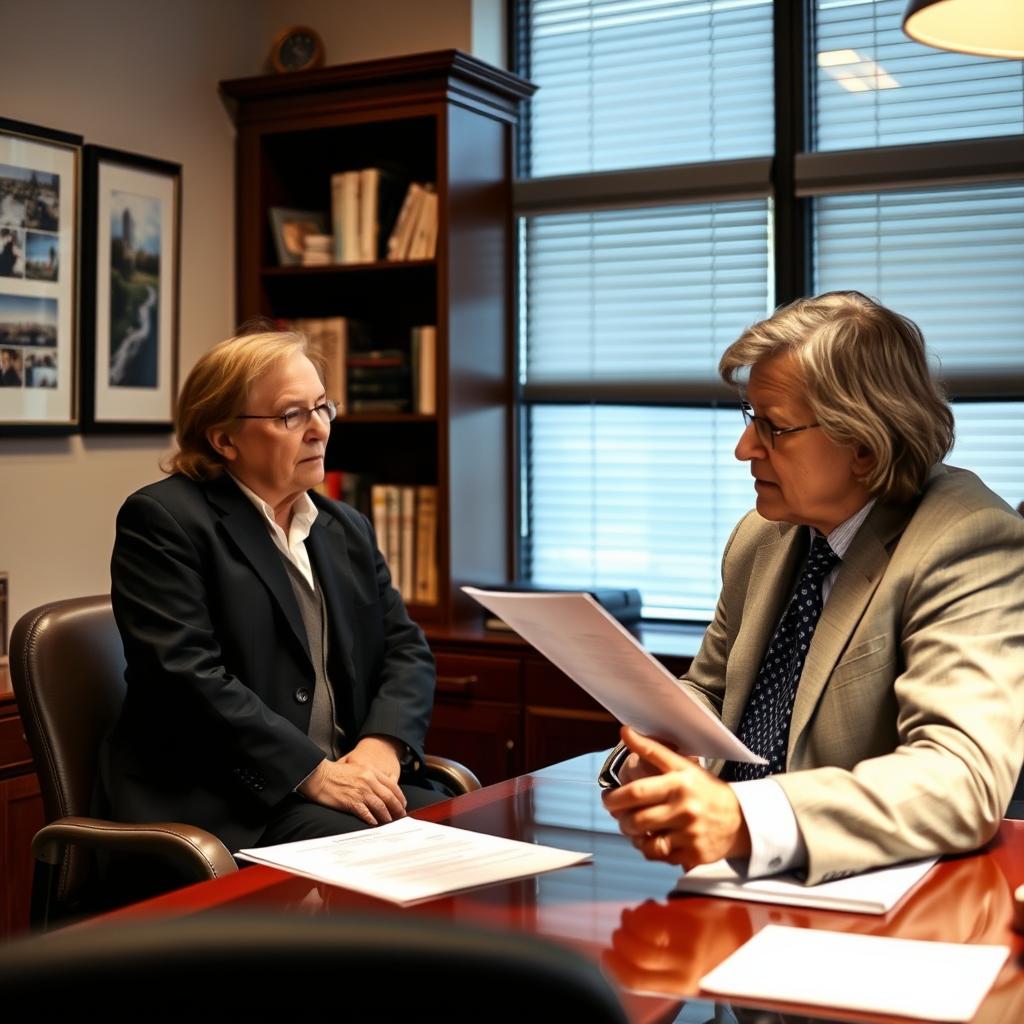
Espionage lawyer Albemarle County, VA
Federal espionage charges in Albemarle County, Virginia, are prosecuted by the United States Attorney’s Office in the U.S. District Court for the Western District of Virginia. These cases arise under the Espionage Act, 18 U.S.C. § 793 et seq., and carry the most severe penalties in the federal criminal code—up to death or life imprisonment. The investigative resources of the FBI, the intelligence community, and specialized federal prosecutors are directed toward charges involving the gathering, transmission, or loss of classified national defense information. If you are facing an investigation or have been charged, you need a defense team that understands the federal pretrial detention system, the U.S. Sentencing Guidelines, and the procedural landscape of the Western District of Virginia. Mr. Sris, Owner and Founder of Law Offices Of SRIS, P.C., and his Of Counsel bring over 120 years of combined legal experience and 4,739+ documented firm-wide results to federal criminal defense. Results may vary. Reach Law Offices Of SRIS, P.C. at (888) 437-7747 to request a consultation. Law Offices Of SRIS, P.C. – Advocacy Without Borders.
What Espionage Charges Mean in Albemarle County, Virginia
Albemarle County sits within the Charlottesville Division of the U.S. District Court for the Western District of Virginia. The federal courthouse at 255 W Main Street in Charlottesville hears initial appearances, detention hearings, and pretrial motions for federal cases arising in the county. Federal agents—most often the FBI—conduct the underlying investigations, and the U.S. Attorney’s Office for the Western District of Virginia leads the prosecution. Because espionage charges can involve classified evidence, the case often proceeds under stringent security protocols, including closed hearings and protective orders under the Classified Information Procedures Act. An individual under investigation for espionage in Albemarle County may interact with federal agents at the FBI’s local field offices or at the Charlottesville resident agency, and the stakes from the earliest contact are extraordinarily high.
Federal espionage under 18 U.S.C. § 793 is not limited to classic acts of spying for a foreign government. The statute also reaches the unauthorized gathering, transmitting, or losing of information related to the national defense. The breadth of the Espionage Act has been repeatedly tested in federal courts, and a conviction can result from conduct that a defendant did not recognize as criminal at the time. Because Albemarle County is home to numerous government contractors, defense industry professionals, and individuals with security clearances, the risk of exposure to a federal espionage investigation is real. The U.S. Sentencing Guidelines heavily influence the sentence in any federal case; a conviction under the Espionage Act places a defendant in the highest offense-level ranges, and the sentencing court has limited discretion to depart downward. Understanding the local federal practice—how the Charlottesville Division handles classified discovery, what the Assistant U.S. Attorneys in the Roanoke-based office typically seek at detention, and how the magistrate judges of the Western District approach pretrial release—is a necessary component of an effective defense.
How Mr. Sris and His Of Counsel Handle Federal Espionage Cases
Defending against a federal espionage charge requires immediate engagement before indictment, when a grand jury investigation is underway, and a thorough understanding of the discovery and disclosure obligations the government will face. Mr. Sris and his Of Counsel begin by advising the client on interactions with federal agents, securing experienced clearance-eligible counsel, and implementing a litigation hold to preserve all potentially relevant records. The defense approach focuses on several intersecting tracks: challenging the sufficiency of the indictment under the Espionage Act’s specific statutory elements, contesting whether the information at issue genuinely meets the definition of “national defense information,” and examining the government’s chain-of-custody and classification determinations.
Mr. Sris has practiced in federal court for many years, and his Of Counsel include attorneys with extensive criminal trial experience. The team coordinates with security-cleared paralegals and, when necessary, independent forensic experts to review digital evidence and classified materials under protective order. Throughout the pretrial phase, the defense works to secure the client’s release on conditions—a challenging task in espionage cases where the government typically argues that the defendant presents a risk of flight or a danger to national security—and to negotiate with the U.S. Attorney’s Office where a resolution short of trial may be achievable. At every stage, Mr. Sris and his Of Counsel focus on the client’s objectives and on developing the strong $1 under the specific facts of the case.
About Mr. Sris and His Of Counsel Team
Law Offices Of SRIS, P.C., founded in 1997, serves clients across Virginia, Maryland, the District of Columbia, New Jersey, and New York. Mr. Sris, Owner and Founder, is a former prosecutor who has dedicated his practice to criminal defense, family law, and other complex litigation. He is admitted in Virginia, Maryland, the District of Columbia, New Jersey, and New York. His work in federal court spans multiple districts, and he has handled matters in the U.S. District Court for the Western District of Virginia. Mr. Sris testified before the Virginia House Courts of Justice Committee in support of 2019 HB 635 (chief patron Del. David Bulova).
Mr. Sris and his Of Counsel bring over 120 years of combined legal experience and 4,739+ documented firm-wide results to federal criminal defense. Results may vary. The Of Counsel team includes attorneys with deep defense and prosecutorial backgrounds who contribute to case strategy, motion practice, and trial preparation. In an espionage matter, the team draws on firsthand knowledge of how federal investigations are built and how prosecutors approach sentencing. The firm’s Shenandoah Location at 505 N Main St, Suite 103, Woodstock, VA 22664, provides a convenient meeting point for clients in Albemarle County and the surrounding communities; consultations are by appointment only. Call (888) 437-7747 to schedule.
Frequently Asked Questions
What is the difference between state and federal charges in Albemarle County?
Federal charges are prosecuted by the U.S. Attorney with generally harsher penalties and no parole. State charges in Albemarle County are handled by the Commonwealth’s Attorney in the General District or Circuit Court. Federal sentencing guidelines apply, and federal conviction rates exceed ninety percent. An experienced federal defense attorney is critical.
What is federal criminal court and how is it different in Virginia?
Federal criminal cases in Virginia are prosecuted by U.S. Attorneys in U.S. District Court and carry harsher sentencing guidelines than state charges. The U.S. District Court for the Western District of Virginia hears cases arising in Albemarle County. Law Offices Of SRIS, P.C. handles federal defense—(888) 437-7747.
How do federal sentencing guidelines work in Albemarle County, Virginia?
Federal sentencing at U.S. District Court for the Western District of Virginia follows the U.S. Sentencing Guidelines—a points-based calculation using offense level and criminal history category. While advisory since Booker (2005), guidelines strongly influence sentencing. Mandatory minimum statutes override downward departures in many drug, firearm, and child exploitation offenses. Acceptance of responsibility, substantial assistance (§ 5K1.1), and safety-valve eligibility materially reduce exposure. Law Offices Of SRIS, P.C.—(888) 437-7747.
Do I need a federal criminal defense lawyer in Albemarle County for an espionage charge?
Yes, immediately. Federal espionage cases at U.S. District Court for the Western District of Virginia are prosecuted by the U.S. Attorney’s Office with federal investigative resources (FBI) and carry federal sentencing guidelines that can result in life imprisonment. Early engagement before indictment materially affects outcomes. Reach Law Offices Of SRIS, P.C. at (888) 437-7747 for a consultation.
How does a Virginia lawyer defend against espionage charges?
Defense strategies for espionage in Virginia may include challenging the adequacy of the indictment, examining whether the information qualifies as national defense information, scrutinizing the government’s compliance with discovery and classification procedures, and presenting mitigating factors during sentencing. An experienced attorney evaluates the specific facts under 18 U.S.C. § 793 to build the strong $1.
What should I do if I am facing espionage charges in Virginia?
If you are facing espionage charges in Virginia, contact a federal criminal attorney immediately. Do not discuss the case with anyone except your lawyer. Preserve all relevant documents and evidence, and refrain from any communication that could be construed as obstruction. The statute of limitations and court deadlines under federal law require prompt action. For a consultation, reach Mr. Sris and his Of Counsel at (888) 437-7747.
What is the potential penalty for espionage under 18 U.S.C. § 793?
The Espionage Act, 18 U.S.C. § 793, authorizes sentences up to death or life imprisonment. The actual sentence depends on the offense level under the U.S. Sentencing Guidelines, the specific subsection charged, and any aggravating or mitigating factors. Because the federal system has no parole, a significant sentence means the individual serves the vast majority of the term imposed. A thorough defense strategy is essential from the earliest stage.
How are classified documents handled during a federal espionage trial?
In a federal espionage case, classified evidence is managed under the Classified Information Procedures Act (CIPA), which governs how the government, the defendant, and the court handle classified material during discovery, pretrial motions, and trial. The court may hold closed hearings to determine the admissibility of classified information, and defense counsel may be required to obtain security clearances. Effective defense requires counsel familiar with CIPA’s procedures and the practical demands of litigating with classified records.
Learn more about federal criminal defense from our other pages: Federal Criminal Lawyer Fairfax County, Federal Criminal Lawyer Prince William County, Federal Criminal Lawyer Manassas.
For additional primary-source legal information, visit: Virginia Code Title 18.2 (Crimes and Offenses Generally) · Albemarle County Circuit Court · U.S. District Court for the Western District of Virginia.
Attorney advertising. Prior results do not guarantee a similar outcome.
Case results depend on a variety of factors unique to each case.
Results may vary.