
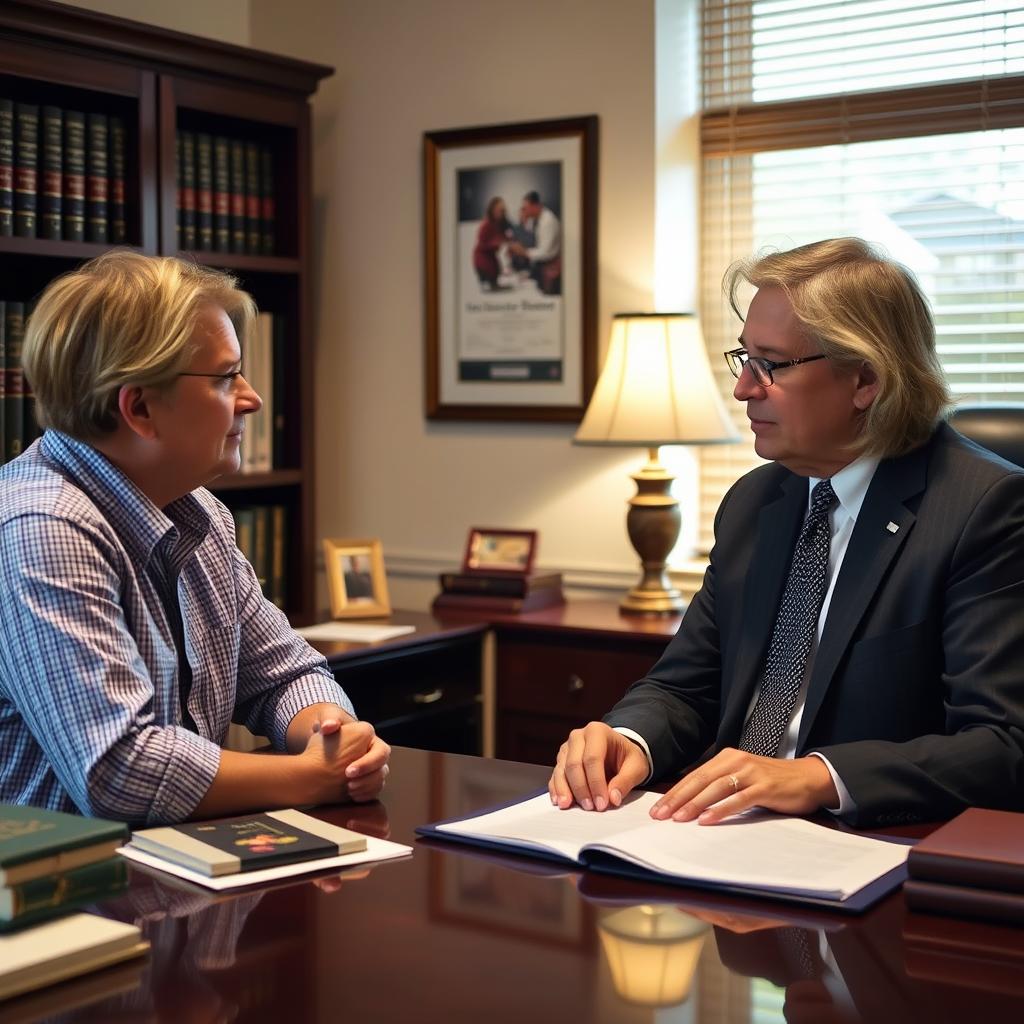
Estate Administration Lawyer Albemarle County, VA
Estate administration in Albemarle County, Virginia involves a structured legal process overseen by the Albemarle County Circuit Court, where a personal representative manages a decedent’s assets, pays creditors, and distributes property according to the will—or, absent a will, under Virginia’s intestacy laws. Law Offices Of SRIS, P.C. Regularly represents executors, administrators, trustees, and beneficiaries in matters before the Probate Clerk of the Circuit Court at 350 Park Street, Charlottesville. Mr. Sris, Owner and Founder, has practiced in Virginia since 1997, and the firm’s Shenandoah Location in Woodstock serves clients throughout the Charlottesville area, including Crozet, Earlysville, Ivy, and North Garden. Whether you need guidance qualifying an executor, preparing an inventory, handling creditor claims, or resolving a will contest, reach our location at (888) 437-7747 to discuss your situation. Law Offices Of SRIS, P.C. – Advocacy Without Borders.
What Trust and Estate Administration Means in Albemarle County
In Albemarle County, estate administration is governed by the Virginia Uniform Trust Code (Va. Code § 64.2-700 et seq.), the Virginia Wills Act (§ 64.2-400 et seq.), and related probate statutes. The Albemarle County Circuit Court’s Probate Division administers the estate process. The Clerk of the Circuit Court reviews wills, appoints executors or administrators, and accepts the personal representative’s oath and bond. Because Virginia has no state estate tax, the primary tax considerations at the state level are generally limited to final income-tax filings, though the federal estate tax may apply to larger estates under current federal law.
The county’s location in the Sixteenth Judicial District means that Albemarle County probate matters follow the same procedural framework as other Virginia localities, but local practice can differ in how the Clerk’s office handles filings, bond determinations, and the scheduling of hearings. The Court can set bond based on the value of the estate; the personal representative must be formally appointed before collecting assets, paying debts, or making distributions. For contested estates, the Circuit Court hears will contests, fiduciary litigation, breach-of-duty claims, and will-construction petitions.
Albemarle County’s demographic mix includes University of Virginia faculty, retirees, and farming families—each estate often bringing distinct asset types, from academic intellectual property to family farmland. The surrounding communities of Crozet, Earlysville, Ivy, and North Garden are part of the firm’s service area. Law Offices Of SRIS, P.C. Appears regularly at the Albemarle County Circuit Court and understands the local probate calendar and the Clerk’s preferences, which can help the estate move through administration efficiently.
How Mr. Sris and His Of Counsel Handle Trust and Estate Cases
Mr. Sris and his Of Counsel approach each Albemarle County estate matter with a focus on practical administration, tax-conscious planning, and, when necessary, litigation. The team works to identify the steps needed from the opening of the estate through final distribution, while also anticipating issues that could arise—such as a contested will, a claim against the estate, or tax-filing requirements.
For uncontested estates, the firm helps the personal representative qualify before the Clerk, prepare the inventory due within four months, identify creditors’ claims, and handle any required asset transfers. When disputes surface—whether a will contest based on undue influence or a breach-of-fiduciary-duty claim against an existing executor—Mr. Sris and his Of Counsel represent clients in contested proceedings at the Albemarle County Circuit Court. Throughout, the team advises on the practical impact of Virginia’s Uniform Trust Code provisions, the rules on trustee duties, and the law governing guardianships and conservatorships, which often intersect with estate administration when an incapacitated beneficiary is involved.
The firm draws on the combined experience of Mr. Sris and his Of Counsel, who have handled estate, trust, and fiduciary matters across Virginia for many years. The team is familiar with the Albemarle County Circuit Court’s procedures, the documentary requirements of the Probate Clerk, and the local bench’s expectations in fiduciary litigation. The goal is to resolve the estate as thoroughly and as promptly as the specific circumstances allow.
About Mr. Sris and His Of Counsel Team
Mr. Sris, Owner and Founder of Law Offices Of SRIS, P.C., has been practicing law since 1997. He is admitted in Virginia, Maryland, the District of Columbia, New Jersey, and New York. Over his career, Mr. Sris has guided executors, trustees, and beneficiaries through a wide range of trust and estate matters, from routine probates to complex will contests and fiduciary litigation. His work in the estate-planning field includes advising families on asset preservation, tax efficiency, and multi-jurisdictional property considerations—a frequent issue for clients with ties to more than one state.
Mr. Sris testified before the Virginia House Courts of Justice Committee in support of 2019 HB 635 (chief patron Del. David Bulova), a legislative effort that refined equitable-distribution procedures and demonstrates the firm’s engagement with Virginia statutory development. His experience in criminal and civil litigation gives him a practical perspective when disputes arise during estate administration, such as allegations of executor misconduct or creditor claims. He is supported by his Of Counsel team, attorneys with extensive experience in Virginia trusts, estates, and fiduciary litigation. Together, they deliver the thorough, attentive representation that Albemarle County families deserve.
Frequently Asked Questions
What is estate administration, and when does it apply in Albemarle County?
Estate administration is the legal process of settling a deceased person’s affairs by collecting assets, paying creditors, and distributing what remains to heirs or beneficiaries. In Albemarle County, the process takes place in the Circuit Court if a will was executed, or it follows Virginia’s intestacy statutes if no valid will exists. A personal representative—an executor named in the will or an administrator appointed by the court—manages the estate under the supervision of the Probate Clerk. The representative must be qualified, file an inventory, provide periodic accountings, and eventually close the estate after satisfying all debts and distributions.
Do I need a lawyer for estate administration in Albemarle County?
Virginia law does not require a personal representative to hire an attorney, but many find that legal guidance helps them navigate the Probate Clerk’s requirements, deadlines, and potential legal pitfalls. An experienced attorney can assist with preparing probate filings, communicating with creditors, addressing contested claims, and interpreting ambiguous will provisions. In contested matters before the Albemarle County Circuit Court, legal representation is highly advisable because court procedures, the rules of evidence, and fiduciary-duty obligations can be complex. For guidance on your specific situation, reach Law Offices Of SRIS, P.C. at (888) 437-7747.
How long does the probate process take in Albemarle County?
The timeline for an uncontested estate in Albemarle County depends on factors such as the size and complexity of the estate, the promptness with which the personal representative provides required documentation, and the court’s scheduling. After appointment, the representative files an inventory within four months, but the creditor-claim period runs for one year from the date of qualification. A straightforward estate with cooperative beneficiaries can often be substantially completed within a year, but contested will contests or litigation over fiduciary conduct can extend the timeline considerably. Each case follows its own pace, and an attorney can provide a realistic assessment based on the specific circumstances.
What are the duties and responsibilities of an executor in Virginia?
An executor appointed in Albemarle County has a statutory and fiduciary obligation to administer the estate according to Virginia law. Key duties include collecting and safeguarding estate assets, giving notice to known and potential creditors, paying valid debts and taxes, preparing and filing the inventory, managing estate property, and making distributions to beneficiaries in accordance with the will. The executor must act in the best interests of the estate and may be held personally liable for losses caused by a breach of fiduciary duty. The court may require a bond unless the will waives it or all beneficiaries consent. Seeking legal advice early can help an executor understand these responsibilities and avoid inadvertent breaches.
What happens if someone contests a will in Albemarle County?
A will contest initiates litigation in the Albemarle County Circuit Court, where the person challenging the will must prove grounds such as undue influence, lack of testamentary capacity, fraud, or improper execution. The estate may be frozen during the litigation, meaning assets cannot be distributed until the court resolves the challenge. The probate process pauses, and the executor’s authority may be limited. The court holds hearings, may review witness testimony and documentary evidence, and ultimately decides whether the will is valid. Both the proponents and the challengers often benefit from representation by counsel familiar with Virginia probate litigation. To discuss the details of your matter, contact Law Offices Of SRIS, P.C. at (888) 437-7747.
Albemarle County Trust and Estate Resources:
For more on Virginia estate administration laws, see Virginia Code Title 64.2 – Wills, Trusts, and Fiduciaries. For court information, visit Virginia’s Judicial System website.
Additional Trust and Estate representation in Virginia:
- Fairfax County Trust & Estate Lawyer
- Prince William County Trust & Estate Lawyer
- Manassas City Trust & Estate Lawyer
Attorney advertising. Prior results do not guarantee a similar outcome.
Case results depend on a variety of factors unique to each case.