
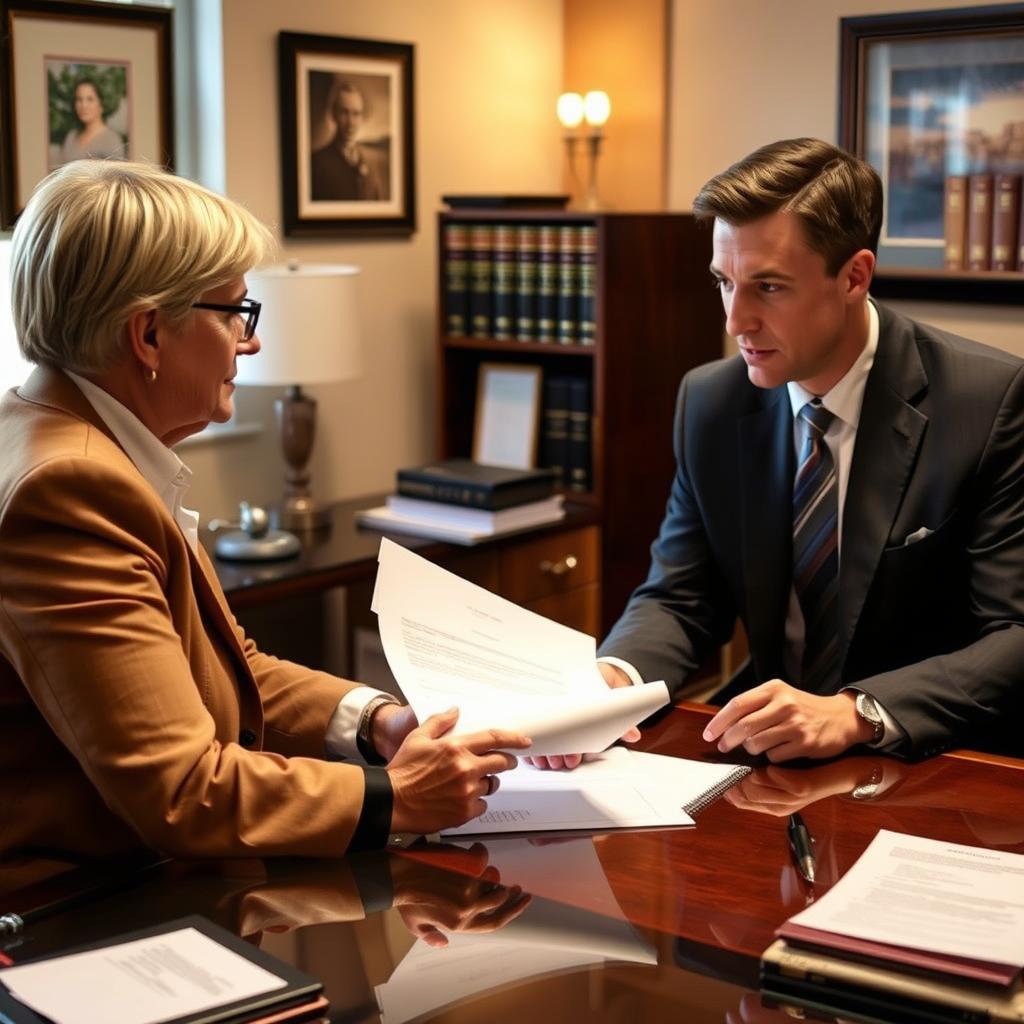
How do I contest a will in Orange County
Contesting a will in Orange County, Virginia, begins with a person who has standing—typically an heir at law or a beneficiary under a prior will—filing a complaint in the Orange County Circuit Court. The complaint alleges that the will should not be admitted to probate because it is invalid on one or more recognized grounds: lack of testamentary capacity, undue influence, fraud, improper execution, or revocation. Virginia law imposes a strict timeline for bringing a will contest, so it is important to act promptly. The proceeding is heard in the Circuit Court, which has jurisdiction over probate and estate matters. Litigation can be complex, often involving witness testimony, medical records, and handwriting attorneys. Law Offices Of SRIS, P.C. represents clients in will contests across Virginia. To discuss your situation with an experienced trust and estate attorney, reach our location at (888) 437-7747. Law Offices Of SRIS, P.C. – Advocacy Without Borders.
Understanding the Will Contest Process in Orange County
Not everyone who is unhappy with a will has the right to challenge it. Only an “interested person”—someone who would inherit if the will were set aside—has standing. This includes heirs at law (the people who would take under Virginia’s intestacy statute if no valid will existed) and beneficiaries named in a prior will that would be revived if the contested will is invalidated. The Virginia Wills Act sets out the formal requirements for a valid will: it must be in writing, signed by the testator, and witnessed by at least two competent individuals who sign in the presence of the testator. A will that fails to meet any of those requirements may be rejected by the court.
In a will contest, the person challenging the will must prove the grounds by clear and convincing evidence. Lack of testamentary capacity means the testator did not understand the nature and extent of his or her property, the natural objects of his or her bounty, or the effect of signing the will. Undue influence requires proof that a person exerted such control that the testator’s free will was overcome. Fraud may involve a misrepresentation that induced the testator to sign a will that does not reflect his or her true wishes. The Orange County Circuit Court, located at 110 N. Madison Road in Orange, hears these matters. Because will contests often involve difficult family dynamics and detailed evidence, representation by an attorney experienced in fiduciary litigation is advisable.
Frequently Asked Questions
What are the grounds to contest a will in Virginia?
Virginia recognizes several grounds for a will contest, including lack of testamentary capacity, undue influence, fraud, improper execution, and revocation. The party challenging the will must prove the alleged ground. Lack of testamentary capacity claims that the testator was not of sound mind when the will was signed. Undue influence involves coercion that overpowered the testator’s free will. Fraud may be based on a false statement that induced the testator to sign. Improper execution arises when the will does not comply with the formalities required by the Virginia Wills Act. An experienced attorney can help evaluate which ground applies to your situation.
Who can contest a will in Orange County?
Only an “interested person”—someone who would inherit under Virginia intestacy laws or under a prior will if the contested will is set aside—has standing to challenge a will. Potential contestants include a spouse, child, or other relative who would be an heir at law, as well as a beneficiary named in a previous valid will. A creditor or a person who is not affected by the will’s validity generally has no standing to bring a contest. An attorney can review the specific facts and determine whether you have the legal right to proceed.
How long do I have to contest a will in Virginia?
Virginia law imposes a time limit for filing a will contest; acting quickly is essential to preserve your right to challenge the will. The deadline may depend on when the will was offered for probate and when the contestant discovered the grounds for the challenge. Because the applicable period can vary with the circumstances, anyone considering a will contest should consult an attorney as soon as possible. Missing the deadline can permanently bar the claim, regardless of how strong the evidence may be. Law Offices Of SRIS, P.C. can help you understand the timeline that applies to your case.
What evidence is needed to prove undue influence in a will contest?
Undue influence is often proved through circumstantial evidence showing that a person had the opportunity to dominate the testator, the testator was susceptible to influence, and the will reflects an unnatural disposition. Evidence may include the testator’s medical records, testimony of caregivers and family members, and the relationship between the testator and the person accused of exerting influence. A sudden change in the will that favors a person who was in a confidential relationship with the testator can support the claim. Developing this evidence requires careful investigation and often expert testimony.
Can a no-contest clause prevent a will contest?
A no-contest clause, also called an in terrorem clause, can discourage a will contest by threatening to disinherit a beneficiary who challenges the will, but it does not absolutely bar a contest. In Virginia, such clauses are generally enforceable, but they do not apply if the contest is brought in good faith and with probable cause. The court will examine whether a reasonable basis existed for the challenge. An attorney can advise you on the risks and whether an in terrorem clause might affect your decision to contest.
What happens if the will is found invalid?
If the Orange County Circuit Court determines that the will is invalid, the estate will normally be administered under a prior valid will or, if none exists, according to Virginia’s intestacy laws. The court may order the personal representative to distribute assets to the beneficiaries under the prior will or to the heirs at law. The contest can lead to the removal of the executor if the executor participated in the wrongdoing. A successful contest may protect the testator’s true intentions and ensure that assets pass to the intended people.
Do I need a lawyer to contest a will in Orange County?
While you are not legally required to hire a lawyer to contest a will, the procedural and evidentiary demands of will-contest litigation make representation by an experienced attorney strongly advisable. A will contest is a formal court proceeding with strict pleading requirements, discovery rules, and evidentiary burdens. An attorney can identify the correct parties, preserve evidence, and present the case effectively. Law Offices Of SRIS, P.C. has experience handling trust and estate disputes throughout Virginia. Call (888) 437-7747 to schedule a consultation.
How does a will contest work in Orange County Circuit Court?
Once a complaint is filed in the Orange County Circuit Court, the personal representative and all interested parties must be served, and the court will manage the case through discovery and ultimately a trial. The contestant bears the burden of proof, and the standard is typically clear and convincing evidence. The court may consider witness depositions, expert reports, and documentary evidence. Most will contests are resolved before trial through negotiation or mediation, but the court will conduct a bench trial if no settlement is reached. The process can take many months, depending on the complexity of the case.
What is the difference between a will contest and a caveat in Virginia?
A caveat is a formal objection filed with the court before a will is admitted to probate, while a will contest is a lawsuit filed after probate to challenge the validity of the will. The distinction is important because the timing and procedure differ. A caveat is filed with the clerk or the court and prevents the will from being probated until the issue is resolved. A will contest is initiated after the will has been submitted for probate. Both procedures require prompt action and a clear understanding of the applicable deadlines.
What are the filing fees for a will contest in Orange County?
Filing fees in Orange County Circuit Court vary; contact the clerk’s office for the current schedule. Additional costs may include service of process fees, expert witness fees, and transcription costs. Because will contests involve litigation, the total expense can be substantial. An attorney can discuss the potential costs during an initial consultation. Law Offices Of SRIS, P.C. offers consultations by appointment; call (888) 437-7747 to request one.
How long does a will contest take?
The duration of a will contest depends on the complexity of the issues, the number of parties, and the court’s calendar. Simple matters may resolve in several months if settled early; contested trials can take much longer. Evidence gathering, including medical record review and experienced attorney analysis, can add time. The Orange County Circuit Court manages its docket to move cases forward, but each case is unique. Prompt action and early attorney involvement can help keep the matter on track.
About Mr. Sris and the Firm’s Of Counsel Attorneys
Mr. Sris, Owner and Founder of Law Offices Of SRIS, P.C., is a former prosecutor who has practiced in Virginia since founding the firm in 1997. The firm’s Of Counsel attorneys bring extensive combined legal experience in trust and estate matters, including will contests, probate disputes, and fiduciary litigation. Mr. Sris and the firm’s Of Counsel attorneys work together to handle complex cases throughout Virginia. Results may vary. For a consultation, call (888) 437-7747.
Orange County wills and trusts lawyer |
Orange County probate lawyer |
Orange County estate planning lawyer |
Orange County estate administration lawyer
Virginia Code Title 64.2 (Wills, Trusts, Fiduciaries) |
Virginia Judicial System
Attorney advertising. Prior results do not guarantee a similar outcome.
Case results depend on a variety of factors unique to each case.