
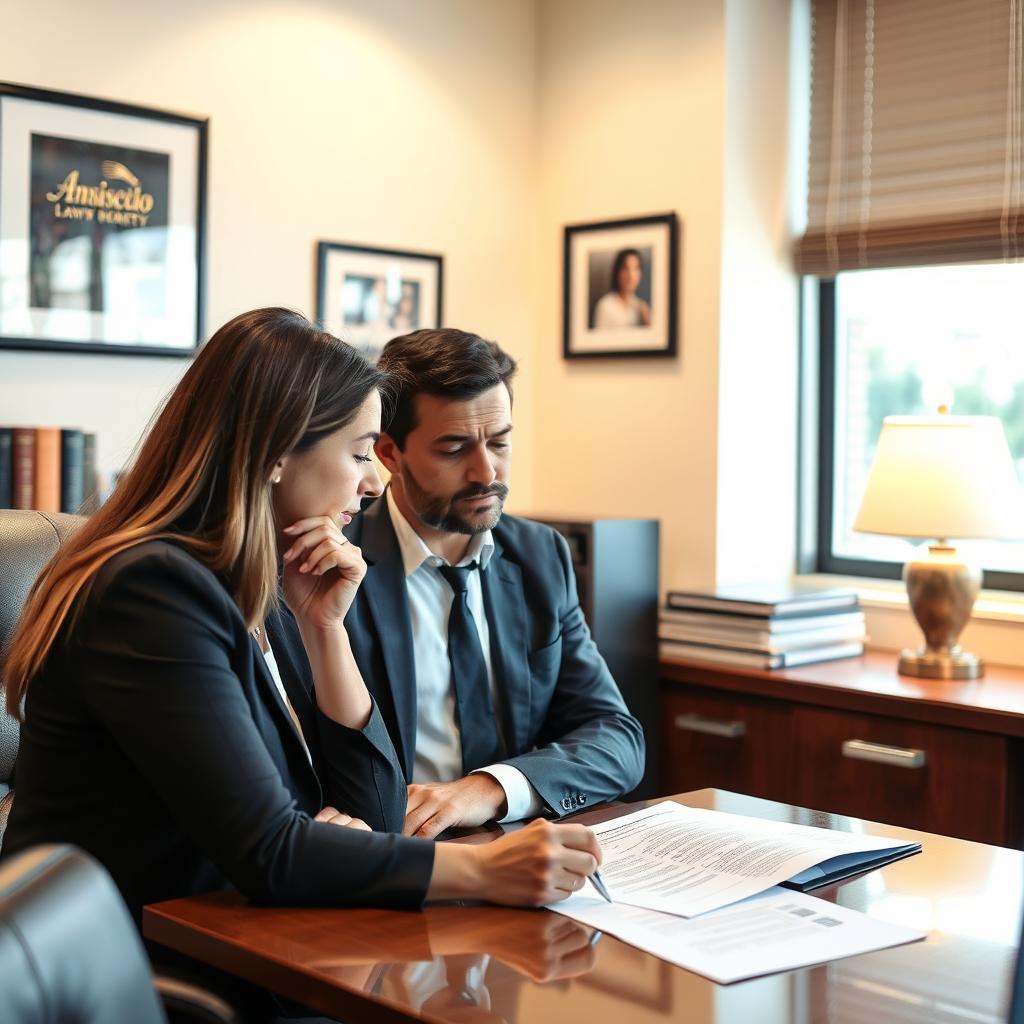
How do I sponsor a family member for a green card from Orange County
Sponsoring a family member for a green card begins with filing a family-based immigrant petition. A U.S. Citizen or lawful permanent resident can sponsor certain relatives, starting with Form I-130, Petition for Alien Relative. The process moves through United States Citizenship and Immigration Services (USCIS) and, if the relative is living abroad, continues through consular processing. For Orange County, Virginia residents, the USCIS Washington District Office at 2675 Prosperity Avenue in Fairfax handles affirmative applications, including adjustment of status cases. Mr. Sris and the firm’s Of Counsel attorneys assist Orange County families with every step of the family sponsorship process, from determining the appropriate category to preparing the petition and supporting evidence. To discuss sponsoring a family member, reach Law Offices Of SRIS, P.C. at (888) 437-7747. Law Offices Of SRIS, P.C. – Advocacy Without Borders.
Understanding Family-Based Green Card Sponsorship
The Immigration and Nationality Act divides family-based green cards into two broad groups. Immediate relatives of U.S. Citizens—spouses, unmarried children under age 21, and parents (if the petitioner is over age 21)—are not subject to annual numerical limits, so visas are always available. All other family relationships fall into preference categories, each with an annual cap that can create significant waiting periods. For Orange County families, the key federal agencies involved are USCIS for petition approval, the National Visa Center for consular processing when the beneficiary lives abroad, and the Arlington Immigration Court if any removal issues arise. Spouses and unmarried children of lawful permanent residents, married children of U.S. Citizens, and siblings of U.S. Citizens are among the preference categories that may face multi-year visa backlogs, especially for nationals of high-demand countries.
When the beneficiary is already in the United States and eligible to adjust status, the process may be completed without leaving the country. If the beneficiary lives overseas, consular processing at a U.S. Embassy or consulate is required. Either path demands accurate documentation, including proof of the qualifying relationship, financial support affidavits, and civil records. Missing or incomplete evidence can delay a case significantly. Because eligibility criteria and processing times change periodically, consulting an experienced immigration attorney before filing can help identify potential issues and prepare a complete petition.
Frequently Asked Questions
Who can I sponsor for a green card?
A U.S. Citizen may sponsor a spouse, child, parent, or sibling; a lawful permanent resident may sponsor a spouse or unmarried child. The exact eligibility depends on the petitioner’s status and the beneficiary’s age and marital status. Immediate relatives enjoy the fastest path because no visa-number cap applies. Preference categories such as F1 (unmarried adult children of U.S. Citizens), F2A (spouses/minor children of permanent residents), F2B (unmarried adult children of permanent residents), F3 (married children of U.S. Citizens), and F4 (siblings of U.S. Citizens) are subject to annual limits. A petitioner must be able to demonstrate the qualifying relationship with primary documents such as birth certificates, marriage certificates, and divorce decrees where applicable.
What is the difference between immediate relative and family preference categories?
Immediate relatives are not subject to numerical visa limits, so green cards are available immediately, whereas preference categories operate under annual per-country caps that create waiting lines. For an Orange County family, this means a U.S. Citizen parent petitioning for an adult son or daughter falls into the family first-preference (F1) category and will encounter a published priority-date cutoff. The waiting period varies by country of chargeability; some categories and countries experience backlogs of several years. A spouse of a U.S. Citizen, by contrast, is an immediate relative and can generally proceed without waiting for a visa number.
Do I need a lawyer to sponsor a family member in Orange County?
You are not legally required to hire a lawyer to file a family-based immigrant petition, but an attorney can help ensure the petition is accurate and complete, reducing the risk of delays or denials. USCIS does not refund filing fees for denied petitions, so a single error can be costly. An experienced immigration attorney can evaluate the case for any potential grounds of inadmissibility, such as prior immigration violations or criminal history, and recommend waivers where available. For Orange County residents, the firm’s Fairfax location provides local support for USCIS filings and representation at the Arlington Immigration Court if needed.
How long does it take to get a family green card?
Immediate relative cases typically take eight to fourteen months from filing to approval, while preference-category timelines vary widely depending on the category and the beneficiary’s country of chargeability. Some preference categories, such as the F4 sibling category for certain countries, can face backlogs that extend for many years. The timeline also depends on whether the beneficiary is adjusting status inside the United States or going through consular processing abroad. Processing at the USCIS Washington District Office (which serves Orange County residents) generally follows published processing-time ranges, though individual cases may move faster or slower. Current processing times are available on the USCIS website.
How much does it cost to sponsor a relative for a green card?
As of 2026, the government filing fee for Form I-130 is $675, and the application for adjustment of status (Form I-485) is $1,440, plus an $85 biometrics fee. Additional costs may apply for medical examinations, document translations, and passport-style photographs. Fee waivers are available on Form I-912 for applicants who meet the income guidelines. Consular processing involves separate fees paid through the National Visa Center and the U.S. Embassy or consulate. Attorney fees vary by case complexity; a consultation can provide a tailored estimate. Orange County residents can contact our Fairfax location for information about the current fee schedule.
What documents do I need to sponsor a family member?
The petition must include proof of the petitioner’s U.S. Citizenship or lawful permanent resident status, along with documents establishing the qualifying family relationship. For a spousal petition, a marriage certificate and evidence that any prior marriages have been legally terminated are typically required. A parent-child petition requires a birth certificate showing the names of both parents. If documents are not in English, certified translations must be submitted. Other supporting items often include financial records to satisfy the affidavit of support requirement, passport-style photographs, and the appropriate government filing forms. Our firm can review the specific requirements for your case during a consultation.
Where will the interview take place if we live in Orange County?
For cases processed entirely within the United States, the USCIS field office closest to the Orange County residential address schedules the interview, typically at the Washington District Office in Fairfax at 2675 Prosperity Avenue. Adjustment of status applicants must attend an in-person interview with the petitioning relative unless the interview is waived under USCIS policy. When the beneficiary is abroad and processing through a U.S. Embassy or consulate, the National Visa Center forwards the approved petition to the designated post. The interview then occurs at the consular section in the beneficiary’s home country. Our firm can help prepare clients for what to expect at either type of interview.
Can I sponsor my sibling for a green card from Orange County?
Yes, a U.S. Citizen who is over age 21 may file an F4 sibling petition, but the wait for a visa number can be substantial, especially for nationals of high-demand countries. The sibling category has a worldwide annual cap, and per-country limits mean applicants from countries with high immigration volumes may face extended backlogs. While the petition is pending, the sibling does not gain any legal immigration status in the United States. It is also important that the sibling remains lawfully present or consular processes abroad; overstaying while waiting for a priority date to become current can create separate complications. An attorney can help assess whether any alternative paths, such as employer sponsorship, might be available.
What if my relative is already in the United States unlawfully?
Family-based petitions generally require the beneficiary to have a lawful entry or to be eligible to adjust status under one of the narrow exceptions. A person who entered without inspection may need to depart the United States and consular process abroad, which can trigger a three-year or ten-year unlawful presence bar unless a waiver is granted. Provisional waivers for certain family members of U.S. Citizens are available in some circumstances. Because these cases are fact-specific and can carry serious consequences, it is essential to obtain legal advice before filing. Mr. Sris and the firm’s Of Counsel attorneys can review the situation and explain what options may be available.
Will my relative need a medical examination?
Yes, every green card applicant must complete an immigration medical exam with a USCIS-designated civil surgeon. The exam includes a physical examination, a review of vaccination records, and screening for certain communicable diseases. The civil surgeon completes Form I-693, which must be submitted with the adjustment of status application or brought to the consular interview. The exam is generally valid for a set period from the date the civil surgeon signs it. Orange County residents can find an approved civil surgeon through the USCIS website. Our firm can advise on the timing of the exam to avoid expiration issues.
How does the public charge rule affect family sponsorship?
Most family-based green card applicants must demonstrate that they are not likely to become primarily dependent on certain government benefits. The petitioning relative submits Form I-864, Affidavit of Support, showing sufficient income to sponsor the immigrant. The required income level is generally at least 125 percent of the federal poverty guidelines for the household size. Factors such as age, health, education, and employment history may also be considered. The public charge assessment can be complex, and our firm can walk Orange County families through the affidavit of support requirements and help evaluate any concerns.
About Mr. Sris and the Firm’s Of Counsel Attorneys
Mr. Sris, Owner and Founder of Law Offices Of SRIS, P.C., is a former prosecutor who has practiced immigration law since founding the firm in 1997. He is admitted in Virginia, Maryland, the District of Columbia, New Jersey, and New York. Mr. Sris testified before the Virginia House Courts of Justice Committee in support of 2019 HB 635 (chief patron Del. David Bulova). The firm’s Of Counsel attorneys bring extensive combined legal experience, and the Fairfax location serves clients in Orange County and throughout Virginia. Mr. Sris and the firm’s Of Counsel attorneys have documented 35 case results in Orange County across all practice areas, including immigration. Results may vary. For a consultation, reach Law Offices Of SRIS, P.C. at (888) 437-7747.
For additional immigration information, visit our Virginia immigration practice overview, our family green card guide, or our Orange County immigration lawyer page.
Outbound primary sources: USCIS Family of U.S. Citizens · 8 U.S.C. § 1151 · Virginia Judicial System
Attorney advertising. Prior results do not guarantee a similar outcome. Results may vary. Law Offices Of SRIS, P.C. is located at 4008 Williamsburg Court, Fairfax, VA 22032. By appointment only. Call (888) 437-7747. Copyright © 1997-2026 Law Offices Of SRIS, P.C. All rights reserved.
Case results depend on a variety of factors unique to each case.