
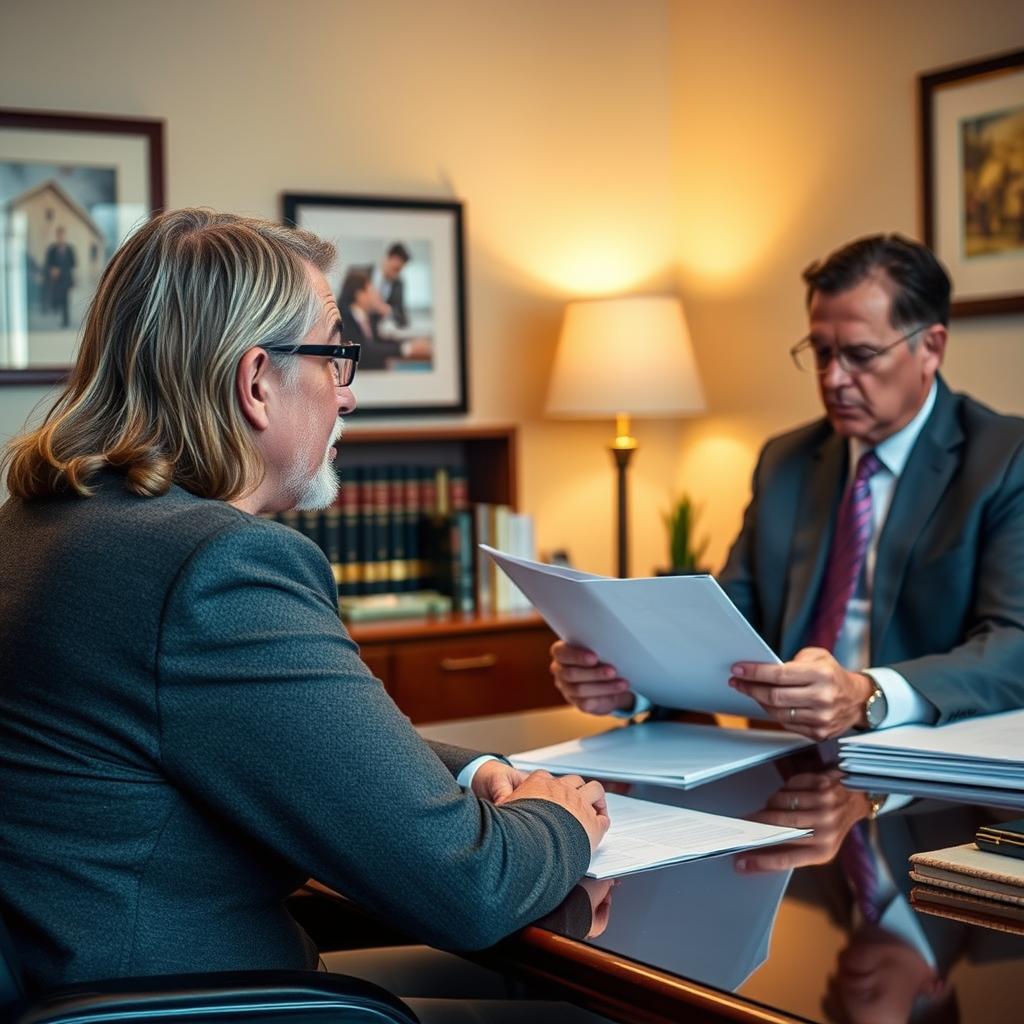
How long does a criminal case take in Charlottesville
The length of a criminal case in Charlottesville, Virginia depends on the nature of the charge, the complexity of the evidence, and the path the case takes through the court system. There is no single answer that fits every matter. Misdemeanor offenses—such as simple assault, petit larceny, or disorderly conduct—are heard in the Albemarle County General District Court and often resolve more quickly, sometimes through a plea, dismissal, or a deferred-disposition program. Felony charges—including burglary, drug distribution, or aggravated assault—begin with a preliminary hearing in the General District Court and, if the court finds probable cause, proceed to the Albemarle County Circuit Court for trial. That full process tends to take longer, in many cases several months to more than a year, because of discovery, motions, and the scheduling of a jury trial. Numerous factors, such as negotiated resolutions, continuances, or pretrial motions, affect how long any single case lasts. For a clearer picture of the timeline your matter might follow, contact Law Offices Of SRIS, P.C. at (888) 437-7747. Law Offices Of SRIS, P.C. – Advocacy Without Borders.
How the Criminal Case Process Affects the Timeline
A criminal case in Charlottesville moves through several stages, each influencing the total length. After an arrest or the issuance of a summons, the person charged appears before a magistrate and then, usually within a short period, at an arraignment where the charges are formally presented. In the General District Court, a misdemeanor case may be set for trial on a date chosen by the court. If the defendant enters a guilty plea or reaches an agreement with the Commonwealth’s Attorney, the case can conclude at that hearing or soon afterward. Felony cases, however, cannot be fully resolved in the General District Court; a preliminary hearing is held to determine whether there is sufficient evidence to send the case to the Circuit Court. If the charge is certified, the Circuit Court schedules further proceedings, including a possible trial by judge or jury.
The timeline expands further when the defense and prosecution engage in discovery—exchanging police reports, witness statements, laboratory results, and other evidence. Either side may file motions, such as a motion to suppress evidence or to dismiss charges, which require briefing and a hearing. The court’s docket, the availability of witnesses, and decisions about bail also play a role. While some straightforward misdemeanors conclude within a relatively short period, a contested felony with multiple witnesses and complex issues generally takes much longer. The case’s trajectory ultimately depends on decisions made at each stage and on the unique facts of the matter.
Frequently Asked Questions
How long does a criminal case typically take in Charlottesville?
There is no fixed timeline for a criminal case in Charlottesville; the duration depends on whether the charge is a misdemeanor or a felony, whether the defendant pleads guilty or goes to trial, and the complexity of the evidence. A straightforward misdemeanor resolved by plea may reach a conclusion within weeks or a few months, while a contested felony that proceeds to jury trial in Circuit Court can extend well beyond a year. Procedural steps such as pretrial motions, plea negotiations, and court scheduling all influence the overall length.
What is the difference between a misdemeanor and a felony case in terms of time?
Misdemeanor cases in Albemarle County are handled in the General District Court and tend to progress faster because they involve fewer procedural steps and no preliminary hearing. Felony charges start in the same court for a preliminary hearing, then move to Circuit Court for trial or further negotiation. That additional stage, combined with discovery and motion practice, generally makes felony cases substantially longer.
How quickly can a case be resolved if I plead guilty?
Pleading guilty can bring a criminal case to a conclusion more quickly because it eliminates the need for a trial. At a hearing in the General District Court or Circuit Court, the judge reviews the plea and may impose a sentence. The timeline still depends on when a hearing can be scheduled, and in some situations the court may order a presentence report before sentencing, adding to the overall duration.
What happens at a preliminary hearing in Albemarle County?
A preliminary hearing determines whether the evidence presented by the Commonwealth’s Attorney is sufficient to send a felony charge to the Circuit Court for trial. The hearing is held in the Albemarle County General District Court. If the judge finds probable cause, the case is certified to the Circuit Court; if not, the charge may be dismissed or reduced. The scheduling of the hearing and any subsequent proceedings affects the case timeline.
Can a criminal case be postponed?
Yes, continuances are common in criminal cases and can extend the timeline significantly. Either the defense or the prosecution may request a continuance for reasons such as the need for more time to review evidence, the unavailability of a witness, or scheduling conflicts. Judges have discretion to grant or deny continuances, and multiple continuances over the life of a case can add weeks or months to the overall length.
How long after an arrest will I appear in court?
An initial appearance before a magistrate or judge typically occurs shortly after arrest—often within a day. The first formal court date, such as an arraignment or advisement hearing, is usually set soon afterward, though the exact timing depends on the court’s calendar and whether the person is held in custody. A lawyer can explain the typical scheduling for the specific charge and court.
What factors affect the length of a criminal trial in Virginia?
The length of a criminal trial in Virginia depends on the number of charges, the volume of evidence, and whether the trial is before a judge or a jury. A bench trial for a simple misdemeanor may conclude in an hour or a single morning, while a jury trial for multiple felony counts can span several days. Pre‑trial motions, expert witnesses, and the need for interpreters can also extend the time needed to complete the trial.
Do I need a lawyer for a criminal case in Charlottesville?
You are not legally required to hire a lawyer, but criminal charges in Virginia carry consequences—including jail time, fines, and a permanent record—that make experienced representation important. A lawyer can evaluate the evidence, identify procedural weaknesses, negotiate with the prosecutor, and present the strong $1. For a consultation about your situation, reach Law Offices Of SRIS, P.C. at (888) 437-7747.
What is the penalty for a misdemeanor in Albemarle County?
A Class 1 misdemeanor in Virginia carries up to twelve months in jail and a fine of up to $2,500. A Class 2 misdemeanor carries up to six months in jail and a fine of up to $1,000. Common misdemeanor charges in Albemarle County include assault and battery, petit larceny (under $1,000), and driving on a suspended license. Additional consequences such as probation, community service, or license suspension may also apply depending on the offense.
About Mr. Sris and His Of Counsel Team
Mr. Sris, Owner and Founder of Law Offices Of SRIS, P.C., has practiced criminal defense since 1997. A former prosecutor, he brings an informed perspective to representing individuals facing charges in Virginia. The firm’s Of Counsel attorneys work with Mr. Sris to handle criminal matters across a range of localities, including Albemarle County. Our Richmond location serves clients at the Charlottesville‑area courts, and consultations are available at (888) 437-7747. The team draws on extensive combined legal experience, and each attorney brings substantial background in criminal proceedings. Results may vary.
Attorney advertising. Prior results do not guarantee a similar outcome.
Case results depend on a variety of factors unique to each case.