
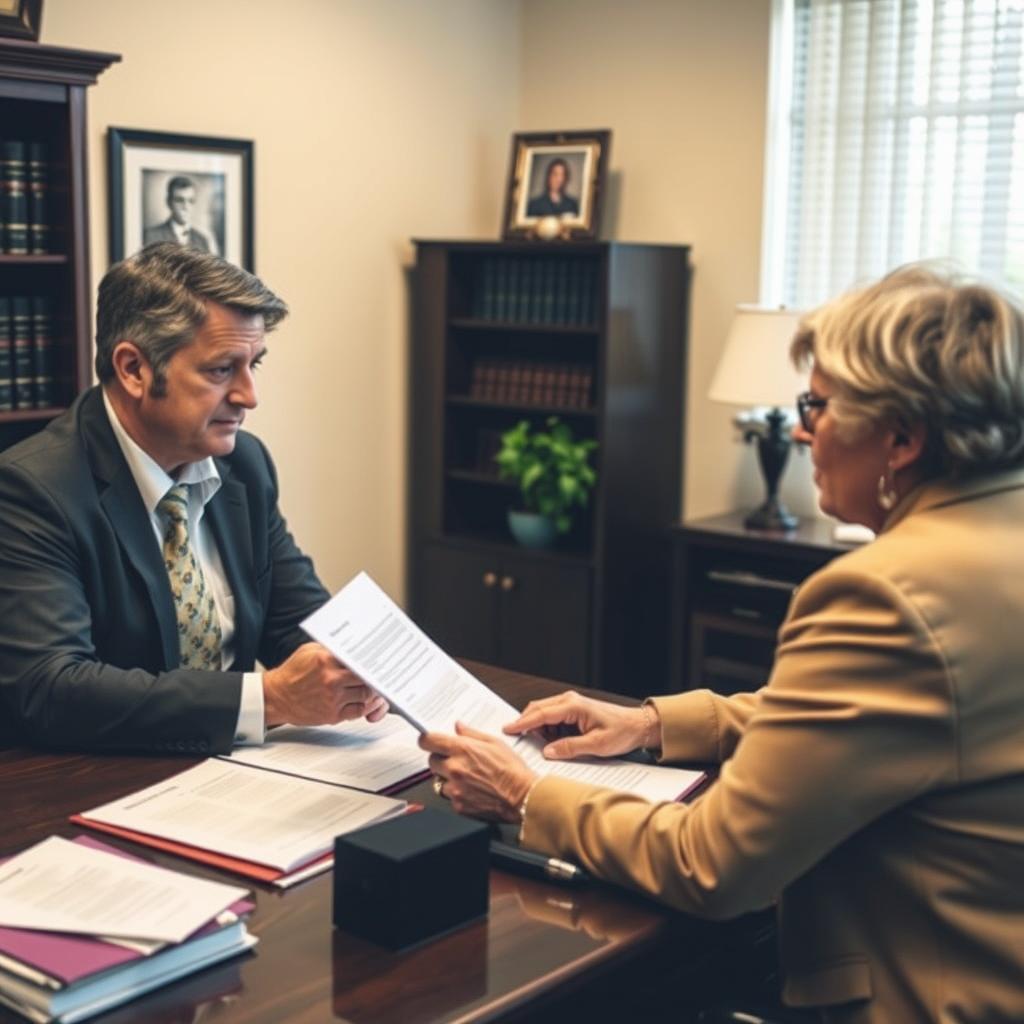
Immediate Relative Petition Lawyer Fluvanna County, VA
For residents of Fluvanna County, immigration matters — including an immediate relative petition — are processed through the federal immigration system, not at the local General District Court. The USCIS Washington District Office at 2675 Prosperity Avenue, Fairfax, VA 22031 handles affirmative applications such as green cards and family-based petitions. Removal proceedings, if they arise, are heard at the Arlington Immigration Court, 1901 South Bell Street, Arlington, VA 22202. Mr. Sris, Owner and Founder of Law Offices Of SRIS, P.C., assists Fluvanna County residents with the entire immediate relative petition process, from initial form preparation through any follow-up requests or consular interviews. Reach our Shenandoah Location at (888) 437-7747 to schedule a consultation. Law Offices Of SRIS, P.C. — Advocacy Without Borders.
Immigration Processing for Fluvanna County Residents
Because immigration is exclusively federal, no Virginia state court — including the Fluvanna County General District Court — adjudicates visa petitions, adjustment of status applications, or removal proceedings. Instead, residents of Palmyra, Fork Union, Lake Monticello, and surrounding areas rely on the USCIS Washington Field Office for affirmative filings and the Executive Office for Immigration Review (EOIR) immigration courts for contested matters.
The immediate relative petition, an I-130 filed by a U.S. Citizen on behalf of a spouse, parent, or unmarried child under 21, is usually processed at the USCIS Washington District Office. If the beneficiary is abroad, the case is forwarded to the National Visa Center and then to the appropriate U.S. Consulate. Mr. Sris and his Of Counsel are experienced in both tracks and can help ensure that supporting documents, translations, and fee submissions meet current agency requirements.
The Immediate Relative Petition Process
An immediate relative petition is the first step toward a family-based green card for a spouse, parent, or child of a U.S. Citizen. The petitioner demonstrates the qualifying relationship through birth certificates, marriage certificates, and, when required, proof of termination of prior marriages. After USCIS approves the I-130, the beneficiary may adjust status if already in the United States or complete consular processing if living abroad.
Processing times fluctuate with caseloads and policy changes. Some cases move forward in a matter of months; others can take significantly longer. Mr. Sris and his Of Counsel review the entire application package, prepare the petition and accompanying forms, and respond to Requests for Evidence (RFEs) that USCIS may issue. They also advise on whether the beneficiary qualifies as an “immediate relative” — a category that permits filing even if a visa number is not immediately available — or falls under a family-preference category with a waiting period.
How Mr. Sris and His Of Counsel Handle Immediate Relative Petitions
Each case begins with a thorough evaluation of the family relationship and the beneficiary’s immigration history. Mr. Sris, admitted in Virginia, Maryland, the District of Columbia, New Jersey, and New York, is familiar with the documentation standards applied by the USCIS Washington Field Office and the Arlington Immigration Court. His Of Counsel team brings additional experience in immigration law, including the handling of I-130 petitions that encounter procedural delays or denials.
The firm’s approach focuses on accurate form completion, comprehensive evidence submission, and proactive communication with USCIS. If a petition is denied, Mr. Sris and his Of Counsel assess options such as a motion to reconsider, appeal to the Board of Immigration Appeals, or, where appropriate, re-filing with additional evidence. They cannot guarantee a particular outcome, but they work toward a favorable resolution for every client. Results may vary.
About Mr. Sris and His Of Counsel Team
Mr. Sris, Owner and Founder of Law Offices Of SRIS, P.C., has practiced since 1997. As a former prosecutor, he brings an understanding of government proceedings to the immigration practice. He testified before the Virginia House Courts of Justice Committee in support of 2019 HB 635 (chief patron Del. David Bulova). His practice extends across five jurisdictions, and he is supported by a team of experienced Of Counsel attorneys who collectively bring over 120 years of combined legal experience and have achieved 4,739+ documented firm-wide results. Results may vary.
Frequently Asked Questions
Who qualifies as an immediate relative for immigration purposes?
An immediate relative is the spouse of a U.S. Citizen, an unmarried child under age 21 of a U.S. Citizen, or the parent of a U.S. Citizen who is at least 21. These relationships allow the beneficiary to file an immigrant visa petition without waiting for a priority date. Eligibility is determined by the documentation provided to USCIS, and an experienced immigration attorney can help you gather the necessary evidence.
Do I need a lawyer to file an immediate relative petition in Fluvanna County?
You are not legally required to have an attorney to file USCIS forms, but a lawyer can help avoid errors that lead to delays or denials. An attorney can also identify potential grounds of inadmissibility and advise on whether a waiver may be needed. Mr. Sris and his Of Counsel assist clients in Fluvanna County with the entire petition process. To discuss your matter, reach Law Offices Of SRIS, P.C. at (888) 437-7747.
How long does an immediate relative petition take?
Processing times depend on USCIS workloads, the completeness of the application, and whether an interview is required. Some cases are resolved within several months; others take longer, particularly if the beneficiary is abroad and consular processing is involved. The firm monitors case status and communicates with USCIS to keep the matter moving. Contact us for a consultation on your specific timeline.
What documents do I need to start an immediate relative petition?
You will generally need proof of the petitioner’s U.S. Citizenship (such as a birth certificate or passport), evidence of the qualifying family relationship (such as a marriage certificate or birth certificate), and, if applicable, documents showing the termination of any prior marriages. Additional identity documents, photographs, and military records may be required. An attorney can review your documents and advise you on any missing items.
Can I file an immediate relative petition if the beneficiary is outside the United States?
Yes. If the beneficiary is abroad, the approved I-130 is sent to the National Visa Center, and the case proceeds through the U.S. Consulate in the beneficiary’s country. Consular processing includes an interview and additional documentation. Mr. Sris and his Of Counsel assist with both stages. For guidance on your specific situation, reach Law Offices Of SRIS, P.C. at (888) 437-7747.
What happens if my immediate relative petition is denied?
If USCIS denies the I-130, you may be able to appeal to the Board of Immigration Appeals, file a motion to reconsider, or re-file with stronger evidence. The appropriate course depends on the stated reason for the denial. An attorney can evaluate the denial notice and advise you on the most practical next step. Mr. Sris and his Of Counsel handle such post-denial proceedings.
Related pages: Fairfax County Immigration Lawyer · Fairfax City Immigration Lawyer · Falls Church Immigration Lawyer · Prince William County Immigration Lawyer
For a full statutory analysis of the immediate relative petition process, visit our immigration practice page. For a client strategy guide on family-based visas, see Immediate Relative Petition Guide.
Attorney advertising. Prior results do not guarantee a similar outcome. Results may vary.
Case results depend on a variety of factors unique to each case.