
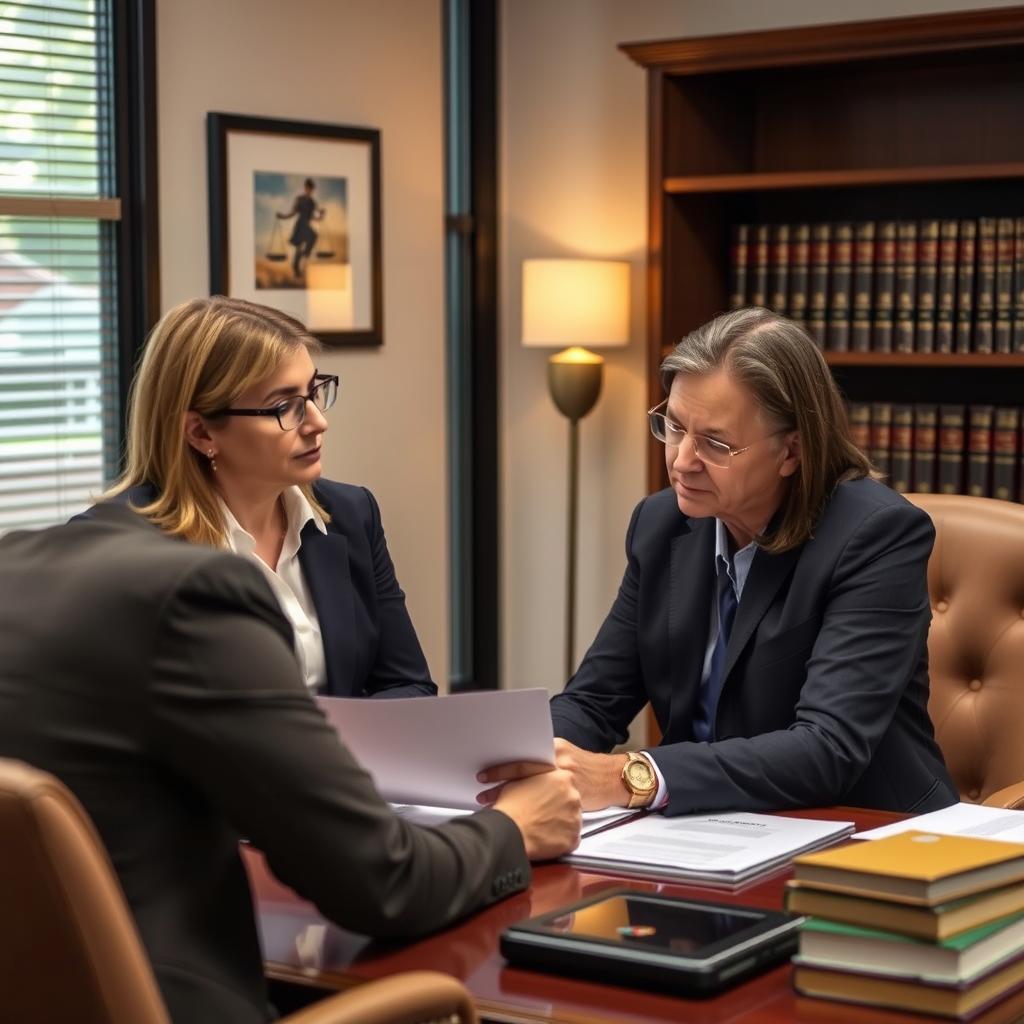
Norfolk Military Divorce Lawyer Prince William County — How Does Military Service Affect Your Case?
A Norfolk Military Divorce Lawyer Prince William County handles the unique legal challenges of service member divorce under Virginia law and the Servicemembers Civil Relief Act (SCRA). Military divorces involve complex issues like division of military pensions, child custody during deployments, and residency requirements. Law Offices Of SRIS, P.C. has documented results in Prince William County.
Military Divorce Law in Virginia
Military divorces in Virginia are governed by state law, primarily Va. Code § 20-91 (divorce grounds), but are heavily influenced by federal statutes like the SCRA and the Uniformed Services Former Spouses’ Protection Act (USFSPA). A key difference is residency: for service members, Virginia residency can be established if they are stationed in the state, even if their home of record is elsewhere. This allows filing in Prince William County if the service member is stationed at a nearby base like Fort Belvoir or Quantico, or if the spouse resides in the county. The division of military pensions is a central issue, calculated under Va. Code § 20-107.3, which Mr. Sris personally amended.
Last verified: April 2026 | Prince William County Circuit Court | Virginia General Assembly
Official Legal Resources
For the official text of Virginia’s divorce statutes, refer to the Virginia Code Title 20, Chapter 6. The Prince William County Circuit Court website provides local forms, filing fees, and procedural rules for initiating a divorce case.
Procedural Edge for Military Families in Prince William County
Prince William County Circuit Court handles all divorce, equitable distribution, and spousal support matters. For military families, the court is familiar with the procedural protections of the SCRA, which can delay proceedings if a service member is deployed. A key local procedural fact is that Virginia requires at least one corroborating witness for an uncontested divorce hearing. For military members, this often requires careful coordination with fellow service members or commanders who can attest to separation facts. A property settlement agreement signed by both parties can resolve all issues without a trial, which is often preferable for deployed personnel.
- Determine Residency & Jurisdiction: Confirm you meet Virginia’s residency requirements (6 months for service members stationed in VA) and that Prince William County is the proper venue.
- File the Complaint: File a Complaint for Divorce with the Prince William County Circuit Court Clerk’s Office, specifying military status and citing relevant grounds.
- Serve Process & SCRA Compliance: Ensure proper service of process. If the service member is deployed, the SCRA may grant an automatic stay of proceedings.
- Negotiate a Settlement Agreement: Work to draft a full agreement covering pension division (using a “coverture fraction”), child custody/support, and spousal support.
- Final Hearing or Trial: Attend the final uncontested hearing with your witness or prepare for a contested trial on unresolved issues.
- Implement the Decree: Ensure the final decree is properly drafted and submitted to the Defense Finance and Accounting Service (DFAS) for direct payment of pension shares, if applicable.
Key Issues in a Military Divorce
In Prince William County, a military divorce involves the division of marital property under equitable distribution principles, with special attention to military-specific assets.
| Issue | Legal Standard / Consideration | Potential Impact |
|---|---|---|
| Military Pension Division | USFSPA allows state courts to treat disposable retired pay as marital property. Va. Code § 20-107.3 governs the division using a “coverture fraction.” | The non-service member spouse may receive a direct share of the pension, payable after the service member retires. |
| Child Custody & Deployment | Custody is based on the child’s best interests (Va. Code § 20-124.3). Deployment schedules require specific parenting plans addressing communication and temporary custody during absence. | Courts often craft detailed plans to ensure stability for the child and maintain the deployed parent’s relationship. |
| SCRA Protections | The Servicemembers Civil Relief Act allows active-duty members to request a stay (postponement) of civil proceedings, including divorce, due to military duty. | Can significantly delay court dates if the service member is deployed or on active orders, protecting their right to participate. |
| Residency & Filing Location | Virginia accepts the service member’s state of legal residence OR the state where they are stationed. The non-military spouse can file where they reside. | Provides flexibility in choosing the most favorable jurisdiction, such as Prince William County. |
| Medical & Commissary Benefits | The 20/20/20 rule (20 years of marriage, 20 years of service, 20 years overlap) generally determines if a former spouse retains military benefits. | Eligibility for continued TRICARE health coverage and commissary/ exchange privileges. |
Results may vary. Prior results do not guarantee a similar outcome.
Why Choose Our Firm for Your Military Divorce
Founded in 1997 by former prosecutor Mr. Sris, Law Offices Of SRIS, P.C. brings over 120 years of combined legal experience to complex family law matters. Our firm-wide track record includes 4,739+ documented case results. Mr. Sris personally amended Virginia’s equitable distribution statute, Va. Code § 20-107.3, giving our team deep, firsthand knowledge of the law governing the division of military pensions and other assets. We understand the pressures on military families and work to achieve resolutions that provide stability during and after service.
Samantha Rae Powers, Associate Attorney at Law Offices Of SRIS, P.C. — Licensed in VA, FL. Experienced family law and civil litigator. View Samantha Rae Powers’s Profile
Case Results & Client Advocacy
In Prince William County, our firm has a documented record of handling family law cases. We use this experience to handle the specific challenges of military divorces, from negotiating pension division agreements to crafting parenting plans that account for potential deployments. Firm founder Mr. Sris provides strategic oversight on complex cases, ensuring every legal avenue is explored.
Results may vary. Prior results do not guarantee a similar outcome.
Contact Our Prince William County Military Divorce Lawyers
Law Offices Of SRIS, P.C.
4008 Williamsburg Ct, Fairfax, VA 22032, United States
Toll-Free: (888) 437-7747 | Local: (703) 636-5417
By appointment only.
Our Fairfax location serves clients at the Prince William County courts (9311 Lee Avenue). We provide representation for service members and spouses in Manassas, Woodbridge, Dale City, Dumfries, Gainesville, Haymarket, Lake Ridge, and Occoquan. 24/7 phone consultations — meetings by appointment only.
Military Divorce in Prince William County: Frequently Asked Questions
How does my military pension get divided in a Virginia divorce?
Yes, it is divisible. Under the USFSPA and Va. Code § 20-107.3, the portion of your military pension earned during the marriage is considered marital property. The court uses a “coverture fraction” (years of service during marriage ÷ total years of service) to determine the share subject to division with your spouse.
Can I get a divorce in Prince William County if I’m stationed elsewhere?
It depends. Virginia law allows a service member to establish residency for divorce purposes in the state where they are stationed. If you are stationed in Virginia (e.g., Fort Belvoir, Quantico), you can likely file in Prince William County if you or your spouse has a connection to the county. A service member divorce lawyer Prince William County can assess your specific situation.
What happens to my divorce case if I get deployed?
The Servicemembers Civil Relief Act (SCRA) provides protections. You can request a stay (postponement) of the court proceedings for the duration of your deployment plus a period afterward. Your attorney can file the necessary paperwork with the Prince William County Circuit Court to ensure your rights are protected while you are on active duty.
Will my spouse keep military benefits after our divorce?
It depends on the length of the marriage overlapping your service. Under the “20/20/20” rule (20 years of marriage, 20 years of service, 20 years of overlap), a former spouse typically retains full benefits, including TRICARE and commissary access. With a 20/20/15 marriage, they may retain one year of transitional medical benefits. A military spouse divorce lawyer Prince William County can analyze your specific dates.
How is child custody handled when a parent is in the military?
Custody is decided based on the child’s best interests under Va. Code § 20-124.3. The court will create a detailed parenting plan that addresses the military parent’s potential deployments, including provisions for virtual visitation, temporary custody arrangements with the other parent or a relative during deployment, and a process for reintegration upon return.
Related Legal Services in Prince William County
If you are facing other legal challenges, our firm provides full representation. We are also experienced Prince William County criminal defense lawyers and DUI defense attorneys. For broader Virginia resources, visit our Virginia Family Law hub page. We also serve clients in neighboring areas like Fairfax County and Manassas City.
Page last verified and updated: April 2026. Laws and procedures change. Contact Law Offices Of SRIS, P.C. at (888) 437-7747 for current guidance regarding your military divorce in Prince William County.