
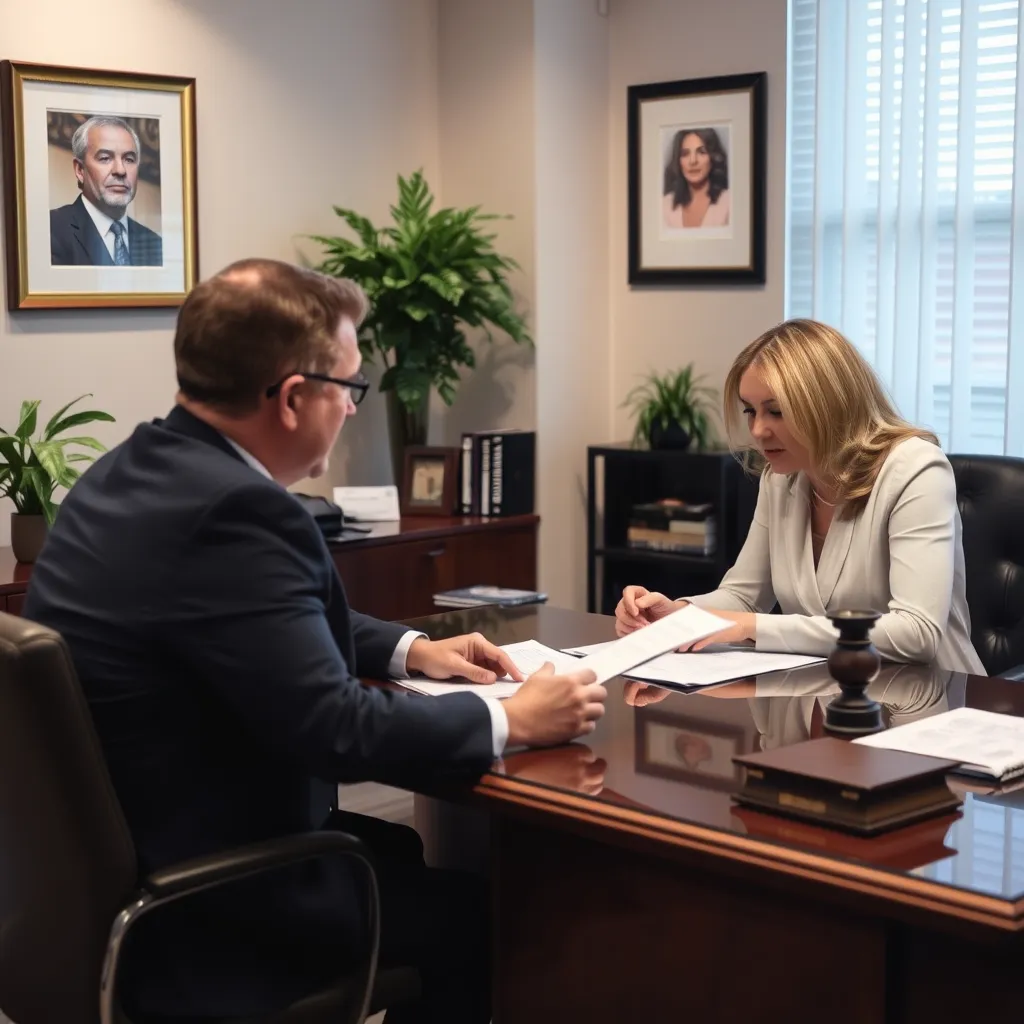
Note: This article is confirmed by Law Offices Of SRIS, P.C.
WRITTEN BY: Mr. Sris
Since 1997, Mr. Sris has led the firm, focusing on the most challenging criminal and family law cases. His background in accounting and information management aids in financial and technology-related cases. Involved in significant legislative changes in Virginia. Mr. Sris believes in actively participating in shaping law, dedicating effort toward amending Virginia Code § 20-107.3 and achieving state recognition for cultural milestones.
postnup lawyer Falls Church VA
What is a Postnuptial Agreement
A postnuptial agreement serves as a financial roadmap for married couples. Unlike prenuptial agreements created before marriage, these documents are established after the wedding ceremony. They provide clarity about financial expectations and responsibilities within the marriage. The agreement typically covers property division, debt allocation, and support arrangements should the marriage end through divorce or separation.
Creating a valid postnuptial agreement involves several steps. Both parties must provide complete financial disclosure, listing all assets, debts, and income sources. Each spouse should have separate legal representation to ensure their interests are protected. The agreement must be entered into voluntarily without pressure or coercion. Virginia courts examine whether both parties had adequate time to review the document and understand its implications before signing.
These agreements can address various financial scenarios. They may specify how inherited property, business interests, or future earnings will be treated. Some couples include provisions about financial responsibilities during the marriage, such as bill payment arrangements or savings goals. The document can also outline procedures for resolving financial disputes without court intervention.
Legal professionals emphasize the importance of proper documentation. The agreement should be in writing and signed by both parties. Notarization adds an additional layer of authenticity. Regular reviews and updates may be necessary as financial circumstances change. Virginia law requires these agreements to be fair and reasonable when created and at the time of enforcement.
Reality Check: These agreements require complete honesty about finances. Hidden assets or debts can make the entire document invalid.
How to Create a Valid Postnuptial Agreement
The process begins with open communication between spouses about financial goals and concerns. Couples should discuss what they hope to achieve with the agreement and identify areas needing clarification. This initial conversation sets the foundation for the legal document. Many couples find mediation helpful for these discussions, as it provides neutral guidance.
Financial disclosure represents the most important step. Both parties must compile comprehensive lists of assets, debts, income sources, and financial obligations. This includes bank accounts, investment portfolios, real estate holdings, retirement accounts, business interests, and personal property. Debts such as mortgages, loans, credit card balances, and other liabilities must also be documented. Complete transparency prevents future challenges to the agreement’s validity.
Independent legal representation protects both parties’ interests. Each spouse should consult with their own attorney who reviews the proposed agreement, explains legal implications, and suggests modifications if needed. Legal counsel ensures both parties understand their rights and the document’s consequences. Virginia courts may question agreements where one party lacked proper representation.
The drafting process involves converting the agreed terms into legally binding language. The document should clearly define terms, specify covered assets and debts, outline division procedures, and include provisions for future changes. It must comply with Virginia contract law and family law requirements. The agreement should address potential scenarios like inheritance, business growth, career changes, or disability.
Execution requires proper formalities. Both parties sign the document before witnesses, and notarization adds authenticity. Some attorneys recommend recording the signing process to demonstrate voluntary participation. Copies should be distributed to both parties and their attorneys. Secure storage ensures the document remains accessible when needed.
Straight Talk: Without full financial honesty and separate lawyers, courts can reject these agreements entirely.
Can I Modify an Existing Postnuptial Agreement
Life circumstances frequently change after creating a postnuptial agreement. Significant financial shifts, such as inheritance, business success, career changes, or substantial debt accumulation, may necessitate document updates. Family changes like childbirth, adoption, or children reaching adulthood can also impact the agreement’s relevance. Regular reviews help ensure the document continues to reflect both parties’ intentions.
The modification process mirrors the original creation procedure. Both spouses must agree to proposed changes through open discussion. Complete financial disclosure remains essential, even if updating an existing document. Each party should consult with independent legal counsel to understand how modifications affect their rights and obligations. Legal professionals can identify potential issues with proposed changes.
Common modifications address specific financial areas. Couples might update asset lists to include newly acquired property or investments. Debt allocation provisions may need adjustment after significant financial changes. Support arrangements could require modification due to income fluctuations or lifestyle changes. Some couples add provisions addressing new concerns that emerged during the marriage.
Legal formalities ensure modification validity. Changes should be documented in writing as an amendment or completely new agreement. The modified document must be signed, witnessed, and notarized following Virginia requirements. Proper execution demonstrates both parties’ voluntary acceptance of the new terms. Courts examine whether modifications were made without pressure or coercion.
Certain limitations apply to modifications. Changes cannot violate public policy or include illegal provisions. Modifications should maintain fairness and reasonableness. Courts may scrutinize changes made during marital distress or when one party faces health challenges. Timing considerations matter, as modifications made shortly before separation may face additional scrutiny.
Blunt Truth: Changes require the same legal steps as the original. Trying to modify without lawyers risks making the whole agreement unenforceable.
Why Hire Legal Help for Postnuptial Agreements
Professional legal guidance addresses the technical requirements of Virginia law. Attorneys understand specific statutory provisions and court interpretations that affect postnuptial agreements. They ensure documents include necessary elements like proper financial disclosure, voluntary participation statements, and independent counsel acknowledgments. Legal professionals stay current with evolving case law that might impact agreement validity.
Attorneys facilitate difficult financial conversations. They provide neutral frameworks for discussing sensitive topics like asset protection, debt responsibility, and future financial planning. Legal professionals help couples identify issues they might overlook, such as retirement account implications, business valuation methods, or tax consequences. This guidance prevents future disputes by addressing potential concerns proactively.
Document drafting requires precise legal language. Attorneys convert agreed terms into enforceable provisions that clearly define rights and responsibilities. They include necessary legal safeguards like severability clauses, amendment procedures, and dispute resolution mechanisms. Proper drafting prevents ambiguous language that could lead to different interpretations during enforcement.
Legal representation protects against future challenges. Attorneys ensure both parties understand the agreement’s implications before signing. They document the voluntary nature of participation and adequate review time. This documentation becomes vital if the agreement faces court scrutiny later. Legal professionals also advise on proper execution and storage procedures.
Ongoing support addresses changing circumstances. Attorneys help couples determine when modifications become necessary and guide them through update processes. They provide advice about how life events like career changes, inheritance, or health issues might affect the agreement. This continuing relationship ensures the document remains relevant throughout the marriage.
Reality Check: Without legal help, these agreements often fail in court. Missing one requirement can make the entire document worthless.
FAQ:
What makes a postnuptial agreement legally binding in Virginia?
Complete financial disclosure from both parties and independent legal representation for each spouse are required for enforceability.
How does a postnuptial agreement differ from a prenuptial agreement?
Postnuptial agreements are created after marriage, while prenuptial agreements are made before the wedding ceremony takes place.
Can a postnuptial agreement address child custody or support?
Virginia courts determine child-related matters based on current circumstances, not predetermined agreements.
What happens if we don’t disclose all assets in the agreement?
Incomplete financial disclosure can make the entire postnuptial agreement invalid and unenforceable in court.
How often should we review our postnuptial agreement?
Review the document every three to five years or after major financial or family changes occur.
Can one spouse force the other to sign a postnuptial agreement?
No, both parties must enter the agreement voluntarily without pressure or coercion for validity.
What financial information must be included in the disclosure?
All assets, debts, income sources, and financial obligations for both parties must be fully documented.
How long does creating a postnuptial agreement typically take?
The process usually takes several weeks to allow for proper financial disclosure and legal review.
Can we create a postnuptial agreement without lawyers?
While possible, without legal guidance the agreement may not meet Virginia’s strict requirements for enforceability.
What if our financial situation changes significantly after signing?
The agreement can be modified through the same legal process with mutual consent and proper documentation.
Are postnuptial agreements only for wealthy couples?
These agreements benefit couples at various income levels by clarifying financial expectations and responsibilities.
How much does a postnuptial agreement typically cost?
Costs vary based on challenge but represent an investment in marital financial clarity and protection.
Past results do not predict future outcomes
For the background behind a Falls Church case, our page explains how Virginia handles postnup.