
Note: This article is confirmed by Law Offices Of SRIS, P.C.
WRITTEN BY: Mr. Sris
Since 1997, Mr. Sris has led the firm, focusing on the most challenging criminal and family law cases. His background in accounting and information management aids in financial and technology-related cases. Involved in significant legislative changes in Virginia. Mr. Sris believes in actively participating in shaping the law.
Visitation Modification Lawyer Henrico VA
What is visitation modification
Visitation modification refers to the legal process of changing an existing court-ordered visitation schedule. When parents divorce or separate, the court establishes a visitation plan outlining when each parent spends time with their children. These orders remain in effect until modified by the court.
Parents may seek modification for various reasons. Work schedule changes, relocation, children’s educational needs, or health concerns can make the current arrangement impractical. The child’s age and developmental changes may also warrant schedule adjustments. Parents sometimes agree to modifications without court involvement, but formal court approval provides legal protection.
The modification process begins with filing a petition in the appropriate court. The requesting parent must demonstrate a substantial change in circumstances since the original order. This requirement prevents frequent, unnecessary changes that could disrupt children’s stability. The court evaluates whether the proposed modification serves the child’s best interests.
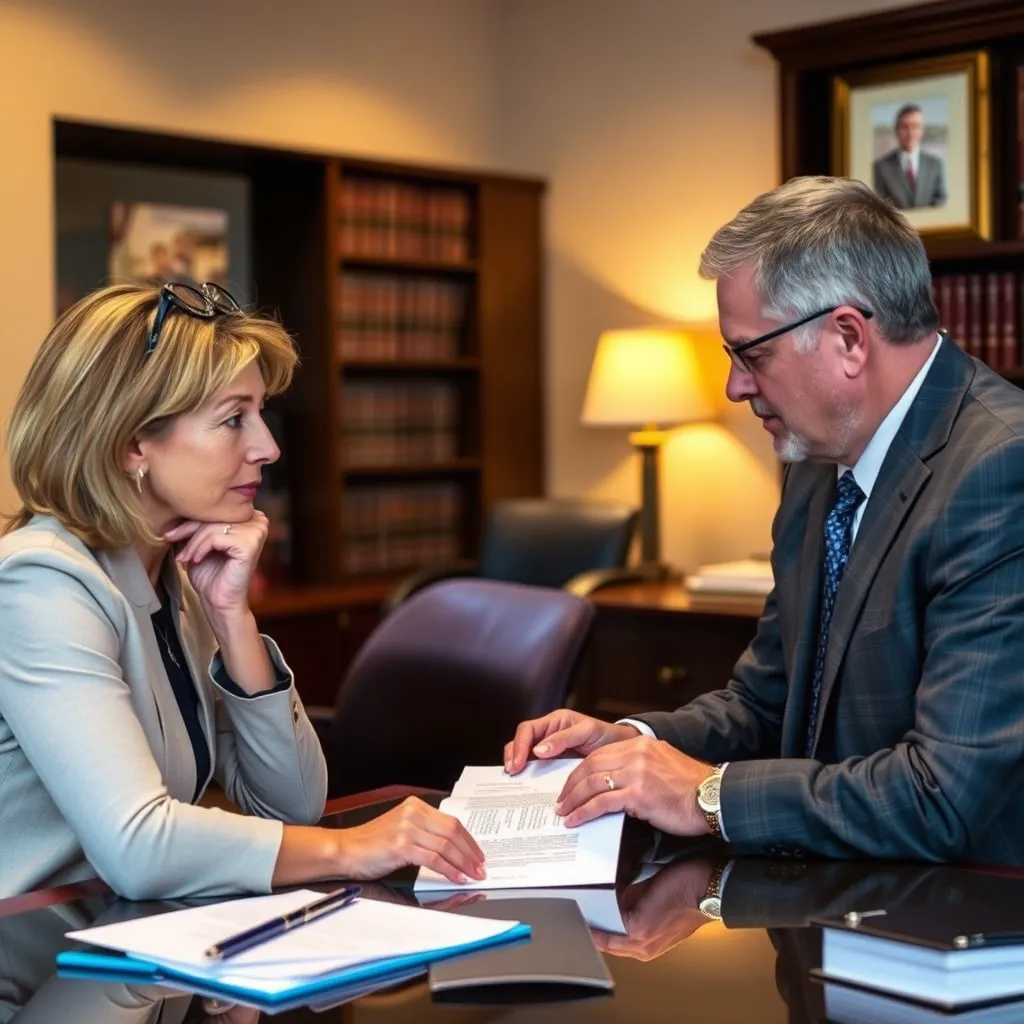
Legal representation helps handle the procedural requirements. Attorneys prepare necessary documentation, gather evidence, and present arguments effectively. They understand local court procedures and judicial preferences. Proper legal guidance increases the likelihood of achieving desired outcomes while maintaining compliance with legal standards.
Real-Talk Aside: Courts don’t modify orders for minor inconveniences. You need documented, significant changes affecting your child’s welfare.
How to modify visitation in Henrico County
The process for modifying visitation in Henrico County follows Virginia legal procedures. Begin by documenting the substantial changes in circumstances. Collect evidence showing why the current arrangement no longer works. This might include work schedules, medical records, school information, or relocation details.
Next, file a petition with the Henrico County Juvenile and Domestic Relations District Court. The petition must specify the requested changes and reasons for modification. Include all relevant documentation with your filing. Pay the required filing fees unless you qualify for fee waiver based on financial circumstances.
After filing, you must serve the other parent with legal notice. This ensures they have opportunity to respond to your petition. The other parent may agree to the modification or contest it. If both parents agree, the process moves more quickly through consent orders.
The court schedules a hearing to review the petition. Both parents present evidence and arguments. The judge considers whether substantial changes exist and whether the proposed modification serves the child’s best interests. Factors include parental cooperation, child’s preferences (depending on age), and practical considerations.
If the court approves the modification, a new order gets issued. This order becomes legally binding. Both parents must follow the revised schedule. Future modifications would require repeating the process with new evidence of changed circumstances.
Real-Talk Aside: Gathering solid evidence matters more than emotional appeals. Document everything objectively.
Can I change visitation without going to court
Parents sometimes make informal visitation adjustments without court involvement. These arrangements work when both parents cooperate and trust each other. Temporary schedule changes for holidays, vacations, or special events often happen informally. Parents may adjust pick-up times or swap weekends through mutual agreement.
However, informal agreements carry risks. They lack legal enforcement mechanisms. If one parent stops following the informal arrangement, the other has limited recourse. The original court order remains legally binding regardless of informal practices. This can create confusion and conflict over which schedule applies.
For permanent or significant changes, court approval provides important protections. Formal modifications create legally enforceable orders. Both parents must comply with court-approved schedules. Violations can lead to contempt proceedings and enforcement actions. Court orders also provide clarity during disagreements.
Even when both parents agree to changes, formalizing through court offers benefits. The process documents the agreement officially. It prevents future disputes about what was agreed upon. Court approval ensures the modification considers the child’s best interests properly.
Some parents use mediation to reach agreements before court filing. Mediators help parents negotiate mutually acceptable modifications. Once agreed, the mediator helps prepare documentation for court approval. This approach can reduce conflict and legal costs.
Real-Talk Aside: Informal changes work until they don’t. When cooperation breaks down, only court orders provide real protection.
Why hire legal help for visitation modification
Legal representation offers significant benefits in visitation modification cases. Attorneys understand the specific requirements for demonstrating substantial changes. They know what evidence courts find persuasive and how to present it effectively. This knowledge helps build stronger cases for modification.
Attorneys handle procedural aspects that can overwhelm self-represented individuals. They prepare and file proper documentation, meet deadlines, and follow court rules. Mistakes in paperwork or procedure can delay cases or lead to unfavorable outcomes. Legal professionals prevent these issues.
During court proceedings, attorneys advocate effectively for your position. They present arguments clearly and respond to judicial questions. Attorneys cross-examine witnesses and challenge opposing evidence when necessary. This advocacy increases the likelihood of achieving desired modifications.
Legal help also protects parental rights throughout the process. Attorneys ensure your interests receive proper consideration. They help negotiate agreements when possible and litigate when necessary. This balanced approach seeks solutions serving children’s best interests while protecting parental relationships.
Attorneys provide objective perspective on case strengths and weaknesses. They offer realistic assessments of likely outcomes based on experience with similar cases. This guidance helps make informed decisions about pursuing modifications or exploring alternatives.
Real-Talk Aside: Courts take these matters seriously. Professional representation shows you’re serious too and helps avoid procedural mistakes.
FAQ:
1. What constitutes substantial change for visitation modification?
Substantial changes include relocation, job schedule changes, child’s health or educational needs, or parental circumstances affecting parenting ability.
2. How long does visitation modification take in Henrico County?
The process typically takes several months depending on court schedules, whether both parents agree, and case challenge.
3. Can visitation be modified if parents agree?
Yes, parents can submit consent orders to the court for approval, which streamlines the process significantly.
4. What evidence do I need for visitation modification?
Documentation of changed circumstances: work schedules, medical records, school information, relocation details, or communication records.
5. Can I modify visitation without a lawyer?
Yes, but legal guidance helps handle procedures, evidence requirements, and court presentations effectively.
6. How often can visitation be modified?
There’s no set limit, but courts discourage frequent modifications unless circumstances change substantially each time.
7. What if the other parent violates the modified order?
You can file enforcement actions with the court, which may impose penalties for non-compliance.
8. Can children’s preferences affect visitation modification?
Depending on age and maturity, courts may consider children’s preferences as one factor among many.
9. How much does visitation modification cost?
Costs vary based on case challenge, attorney fees, court costs, and whether the case settles or goes to trial.
10. Can visitation be modified temporarily?
Yes, courts can order temporary modifications while considering permanent changes, especially in urgent situations.
11. What if I need to relocate with my child?
Relocation typically requires visitation modification and sometimes custody modification, with specific legal requirements.
12. How do holidays affect visitation modification?
Holiday schedules often get addressed during modification, with specific arrangements for major holidays and school breaks.
Past results do not predict future outcomes
If you want to see how a Henrico case fits into the wider process, our page on visitation modification lawyer Henrico County covers it from start to finish.