
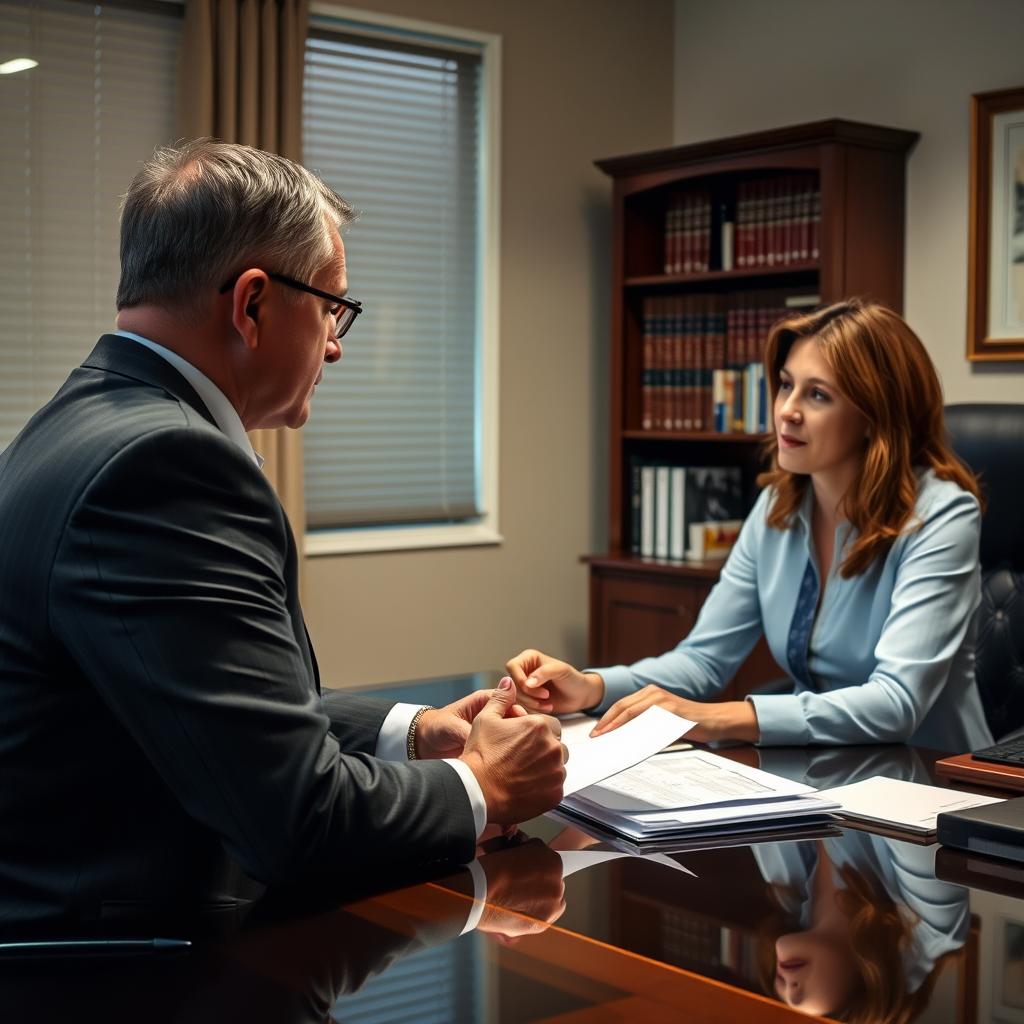
What are the consequences of refusing a breath test in Virginia
Refusing a breath test after a DUI arrest in Virginia carries immediate and lasting penalties under the Commonwealth’s implied consent law (Va. Code § 18.2-268.3). When you drive on Virginia roads, you are deemed to have already agreed to chemical testing if lawfully arrested for driving under the influence. A refusal triggers a separate administrative process that can lead to a driver’s license suspension independent of any criminal DUI charge. Additionally, the refusal may be introduced as evidence in your DUI trial, and repeat refusals within ten years can be prosecuted as criminal misdemeanor offenses. Mr. Sris and his Of Counsel represent clients in Charlottesville, Albemarle County, and throughout Virginia who are facing breath test refusal allegations. To discuss your situation, call (888) 437-7747. Law Offices Of SRIS, P.C. – Advocacy Without Borders.
What Happens When You Refuse a Breath Test in Virginia?
Virginia treats breath test refusal as a serious matter separate from the underlying DUI arrest. When an officer has probable cause to arrest you for DUI and requests a breath sample, your refusal triggers the implied consent statute. The officer typically reads an advisory form explaining the consequences, and if you still decline, the officer forwards a report to the Virginia Department of Motor Vehicles (DMV). The DMV then initiates an administrative suspension of your driving privilege. This suspension is civil in nature on a first offense and does not require a criminal conviction. The length of the suspension depends on your prior offense history and whether you have previously refused a test. You are entitled to request an administrative hearing to challenge the suspension, but strict deadlines apply.
In addition to the administrative license suspension, a refusal can strengthen the Commonwealth’s DUI case against you. Prosecutors may argue that you refused because you knew you were intoxicated, and a judge or jury is permitted to consider the refusal as evidence of guilt. For a second or subsequent refusal within ten years, the consequences escalate: the offense becomes a separate criminal charge (a Class 2 misdemeanor or, on a third refusal, a Class 1 misdemeanor) with its own potential for jail time, fines, and a further license suspension. The interplay between the administrative and criminal consequences makes it critical to act promptly after a refusal.
How Mr. Sris and His Of Counsel Handle Breath Test Refusal Cases
The firm’s approach to breath test refusal matters begins with an immediate evaluation of the stop and the refusal procedure. Mr. Sris and his Of Counsel examine whether the officer had a lawful basis for the initial DUI arrest, whether the implied consent advisory was properly given, and whether any procedural errors occurred during the refusal documentation. Because a refusal triggers an administrative DMV hearing separate from the criminal DUI case, representation at both levels is often necessary. The firm’s attorneys appear in General District Courts across Virginia, including the Charlottesville General District Court, to protect clients’ rights at every stage.
Defense strategies may include challenging the validity of the DUI stop, contesting whether the officer had probable cause to request the breath test, and presenting mitigating factors at the DMV hearing to reduce or avoid the administrative suspension. In criminal refusal cases, the firm works to negotiate favorable outcomes and, where appropriate, pursue dismissal or reduction of charges. The team’s experience with Virginia’s evidence code, including the admissibility of refusal evidence in a DUI trial, helps clients understand the full scope of the consequences and the trusted path forward.
Frequently Asked Questions
Is refusing a breath test a separate crime in Virginia?
A first refusal is a civil violation, not a crime, but it triggers an administrative license suspension by the DMV—a proceeding independent of any criminal DUI charge. If you have a prior refusal within ten years, however, a second refusal becomes a Class 2 misdemeanor, and a third refusal becomes a Class 1 misdemeanor, carrying potential jail time and additional penalties separate from any DUI conviction. The criminal refusal charge is prosecuted in the General District Court just like any other traffic-related offense. Mr. Sris and his Of Counsel can advise you on whether your refusal falls into the civil or criminal category and how to address the DMV’s action alongside any court case.
Can I challenge the administrative license suspension for a breath test refusal?
Yes, you have the right to request an administrative hearing before the DMV to contest the suspension; however, the request window is short and often limited to a specific number of days after arrest. The hearing is limited to a few narrow issues: whether you were lawfully arrested, whether the officer had reasonable grounds to believe you were driving under the influence, whether you were informed of the implied consent law, and whether you actually refused the test. Even if the suspension is upheld, the DMV may offer a restricted license under certain circumstances. An attorney can present evidence and argument at the hearing to seek a favorable outcome or negotiate for limited driving privileges.
Will refusing a breath test help me avoid a DUI conviction?
Not necessarily—the refusal itself can be used at trial to argue that you knew you were impaired, and the Commonwealth may still obtain a DUI conviction based on other evidence such as the officer’s observations, field sobriety tests, and witness testimony. Some drivers mistakenly believe that without a breath test result, a DUI case cannot be proven; this is not accurate. Virginia allows a DUI prosecution to proceed on alternative grounds, including impairment proven by the officer’s observations and any driving pattern. A refusal may also lead to a longer overall license suspension because the administrative suspension runs in addition to any suspension imposed upon a DUI conviction.
What are the penalties for a second or third refusal within ten years?
A second refusal within ten years is a Class 2 misdemeanor, punishable by up to six months in jail and a fine of up to $1,000; a third refusal becomes a Class 1 misdemeanor with up to 12 months in jail and a $2,500 fine. Each criminal refusal conviction also carries an additional mandatory license suspension that is separate from the administrative suspension and any DUI-related suspension. The court may impose probation, supervised release, or other conditions. Because the stakes increase significantly with each refusal, anyone facing a repeat refusal allegation should speak with an attorney immediately to protect their driving privileges and freedom. Mr. Sris and his Of Counsel represent clients in Charlottesville and across Virginia in repeat refusal cases.
Does a breath test refusal affect my ability to get a restricted license?
It can, but the DMV may grant a restricted license for certain purposes—such as travel to work, school, or medical appointments—if you meet specific criteria and the court approves. The availability of a restricted license after a refusal depends on factors like your driving history, the outcome of the DMV hearing, and whether you have a prior record. In many first-refusal cases, a restricted license can be requested. However, for repeat refusals or when the refusal is coupled with a DUI conviction, the restrictions tighten. An attorney can help you present a compelling case for limited driving privileges at the DMV and in court.
How soon after a refusal do I need to act?
You have a very limited window to request a DMV administrative hearing—typically within 30 days of the notice you receive—so it is critical to contact an attorney without delay. Missing this deadline means you automatically forfeit the chance to contest the suspension, and the DMV will impose the statutory suspension period. Additionally, if you face a criminal refusal charge or an underlying DUI charge, your first court appearance (arraignment) may be scheduled shortly after the arrest. Prompt action allows your attorney to review police reports, secure evidence like the implied consent advisory form, and begin building a defense while the facts are fresh. Reach Mr. Sris and his Of Counsel at (888) 437-7747 as soon as possible after a breath test refusal.
About Mr. Sris and the Firm’s Of Counsel Attorneys
Mr. Sris, Owner and Founder of Law Offices Of SRIS, P.C., is a former prosecutor who established the firm in 1997. He has practiced in Virginia for more than two decades and is admitted to the bars of Virginia, Maryland, the District of Columbia, New Jersey, and New York. Mr. Sris testified before the Virginia House Courts of Justice Committee in support of 2019 HB 635 (chief patron Del. David Bulova), reflecting his commitment to Virginia’s legal community. The firm’s Of Counsel attorneys bring additional experience to traffic defense matters, including backgrounds in criminal prosecution and law enforcement. Together, they appear in Charlottesville General District Court, Albemarle County Circuit Court, and courts throughout the Commonwealth. For a consultation about a breath test refusal, call (888) 437-7747.
Attorney advertising. Prior results do not guarantee a similar outcome.
Case results depend on a variety of factors unique to each case.