
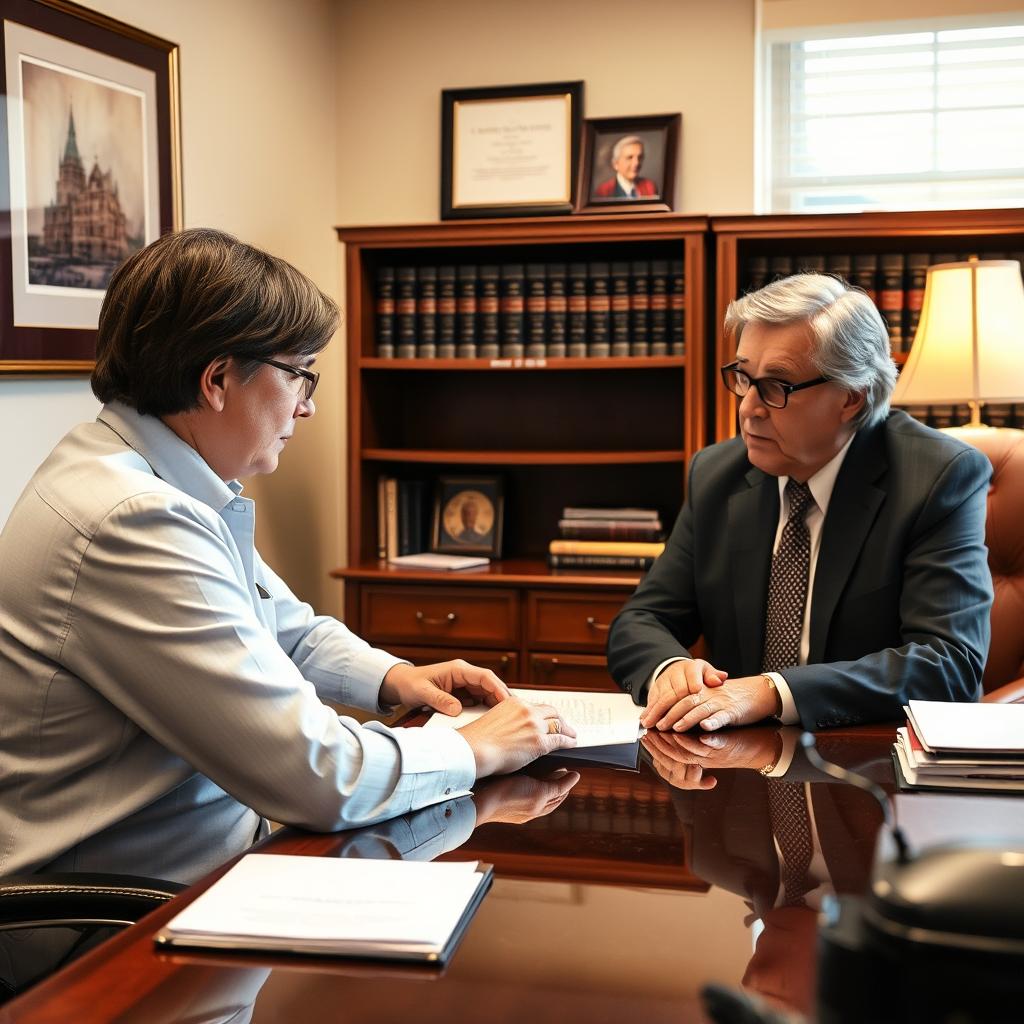
Wills and Trusts Lawyer Fluvanna County, VA
Planning for the transfer of your property and the protection of your loved ones requires a clear understanding of Virginia law and the local court procedures that govern wills, trusts, and estate administration. In Fluvanna County, the probate process is handled by the clerk of the Circuit Court, and estates must satisfy the requirements of the Virginia Uniform Trust Code and the Virginia Wills Act. Whether you need a simple will, a revocable living trust, powers of attorney, or guidance through probate after a death, experienced legal counsel can help ensure your documents are properly drafted and your objectives are met. Law Offices Of SRIS, P.C. represents individuals and families throughout Fluvanna County, including Palmyra, Fork Union, and Lake Monticello, in all aspects of wills and trusts. For a consultation, reach our firm at (888) 437-7747. Law Offices Of SRIS, P.C. — Advocacy Without Borders.
What Trust and Estate Planning Means in Fluvanna County
For Fluvanna County residents, estate planning and probate matters fall under the jurisdiction of the Fluvanna County Circuit Court, located at 72 Main Street, Suite B, Palmyra, Virginia 22963. The clerk of the Circuit Court administers the probate of wills, appoints executors and administrators, and oversees the filing of inventories and accountings. Virginia does not impose a state-level estate or inheritance tax, so planning focuses on federal transfer taxes — the federal estate tax exemption is $15 million per individual for 2026 — and on achieving the decedent’s dispositive goals without unnecessary court involvement.
A foundational component of most plans is a last will and testament, which names beneficiaries, designates an executor, and can nominate a guardian for minor children. Trusts, including revocable living trusts, may be used to avoid probate entirely or to provide for management of assets during incapacity. The Uniform Trust Code (Va. Code § 64.2‑700 et seq.) governs trust creation, administration, and litigation in Virginia. For estates that are small enough to qualify, a simplified procedure — often referred to as a small‑estate affidavit — may allow heirs to collect certain assets without full probate, subject to statutory requirements. In every instance, the formalities of execution and the legal duties imposed on fiduciaries make professional guidance valuable.
How Mr. Sris and His Of Counsel Handle Wills and Trusts Matters
Mr. Sris and his Of Counsel begin by learning about the client’s family, financial situation, and personal goals. They explain the relevant Virginia statutes and the practical effect of each planning option, then draft the documents necessary to carry out the agreed‑upon plan. For probate matters, they assist the executor or administrator with every stage of the process: preparing the petition for probate, managing the notice to creditors, inventorying assets, and filing the required accountings with the Fluvanna County Circuit Court. When a trust is involved, they advise the trustee on the terms of the trust instrument and the duties imposed by the Uniform Trust Code.
The firm also represents beneficiaries, trustees, and personal representatives in fiduciary litigation, including will contests, breach‑of‑duty claims, and petitions to construe or reform a trust. While every case is different and timelines depend on court scheduling and the complexity of the estate, Mr. Sris and his Of Counsel work to resolve matters efficiently. Throughout the process, clients receive straightforward advice, and all documents are prepared with attention to the statutory formalities that can affect validity and enforceability.
About Mr. Sris and His Of Counsel Team
Mr. Sris, Owner and Founder of Law Offices Of SRIS, P.C., has practiced law since 1997 and is admitted in Virginia, Maryland, the District of Columbia, New Jersey, and New York. A former prosecutor, he brings a disciplined approach to estate‑planning matters, focusing on the factual and legal details that protect clients from future disputes. Mr. Sris testified before the Virginia House Courts of Justice Committee in support of 2019 HB 635 (chief patron Del. David Bulova), legislation that revised certain provisions of Virginia’s equitable‑distribution statute. His familiarity with the legislative and judicial process in the Commonwealth informs his work on behalf of Fluvanna County families.
Mr. Sris is supported by a team of Of Counsel attorneys, each of whom brings significant experience to trust and estate matters. This collective capability enables the firm to handle everything from straightforward will drafting to complex trust administration and litigation. Over 120 years of combined legal experience between Mr. Sris and his Of Counsel — supported by 4,739+ documented firm-wide results — provides clients with a resource that is prepared to address the issues that arise under the Virginia Uniform Trust Code and the Virginia Wills Act. Results may vary.
Frequently Asked Questions
What is probate in Fluvanna County?
Probate is the court‑supervised process of proving a will’s validity, appointing an executor or administrator, inventorying the decedent’s assets, paying debts and taxes, and distributing the remaining property to the heirs or beneficiaries. In Fluvanna County, probate proceedings are conducted through the clerk of the Circuit Court at 72 Main Street, Suite B, Palmyra. The process is governed by the Virginia Wills Act and related statutes, and the complexity and duration vary depending on the size of the estate and whether the will is contested. Having an attorney familiar with local procedures can help the personal representative meet statutory deadlines and avoid pitfalls.
Do I need a lawyer to create a will or trust in Fluvanna County?
Virginia law does not require you to hire a lawyer to create a will or trust, but drafting errors or failure to follow execution formalities can make a document invalid or lead to a successful challenge after you are gone. A lawyer can ensure that the will is signed and witnessed correctly, that the trust instrument addresses tax and asset‑protection concerns, and that your overall plan integrates powers of attorney and advance medical directives. For many people, the cost of professional preparation is modest compared to the expense and stress of an improperly drafted estate plan. To discuss your situation, reach Law Offices Of SRIS, P.C. at (888) 437‑7747.
How does the probate process work in Fluvanna County?
The executor named in the will or an administrator appointed by the court files the original will and a petition for probate with the Circuit Court clerk. The clerk reviews the will for formal validity, qualifies the personal representative, and issues a certificate of qualification. The personal representative then gathers and inventories the assets, publishes a notice to creditors, pays valid debts, and files an accounting. After the creditor‑claim period runs and all distributions are made, the estate can be closed. The process typically involves multiple filings and deadlines, and an attorney can guide the personal representative through each step.
Can a trust help my family avoid probate in Fluvanna County?
Yes. Assets that are properly transferred to a revocable living trust during your lifetime are not part of your probate estate at death, so they pass directly to the trust beneficiaries without court involvement. This can save time and keep the details of your estate private. A trust also allows you to name a successor trustee to manage the assets if you become incapacitated. However, a trust must be funded — meaning assets must be retitled in the name of the trust — to achieve these benefits. An attorney can evaluate whether a trust‑based plan is appropriate for your circumstances.
What is the difference between a will and a living trust?
A will takes effect only after death and must be probated; it nominates an executor and directs how your probate property is to be distributed. A living trust is a legal entity that holds assets during your lifetime and continues after death, avoiding probate for the assets titled in the trust. Both documents can accomplish similar dispositive goals, but a trust generally offers more privacy and can provide for asset management during incapacity. In many cases, a comprehensive plan includes both a will (as a safety net for any assets not transferred to the trust) and a living trust.
How much does it cost to probate an estate in Fluvanna County?
The cost of probate depends on the nature and value of the estate’s assets, whether disputes arise, and the fees charged by the executor and the attorney. Court filing fees apply, but they are generally modest. Executor commissions and attorney fees are typically based on the work performed and the responsibility involved. Some estates can be administered for a few thousand dollars, while complex estates with litigation may run significantly higher. For an estimate based on your specific circumstances, contact Law Offices Of SRIS, P.C. at (888) 437‑7747.
Estate Planning Lawyer Fluvanna County, VA ·
Probate Lawyer Fluvanna County, VA ·
Will Contest Lawyer Fluvanna County, VA
Attorney advertising. Prior results do not guarantee a similar outcome. Case results depend on a variety of factors unique to each case. Results may vary.