
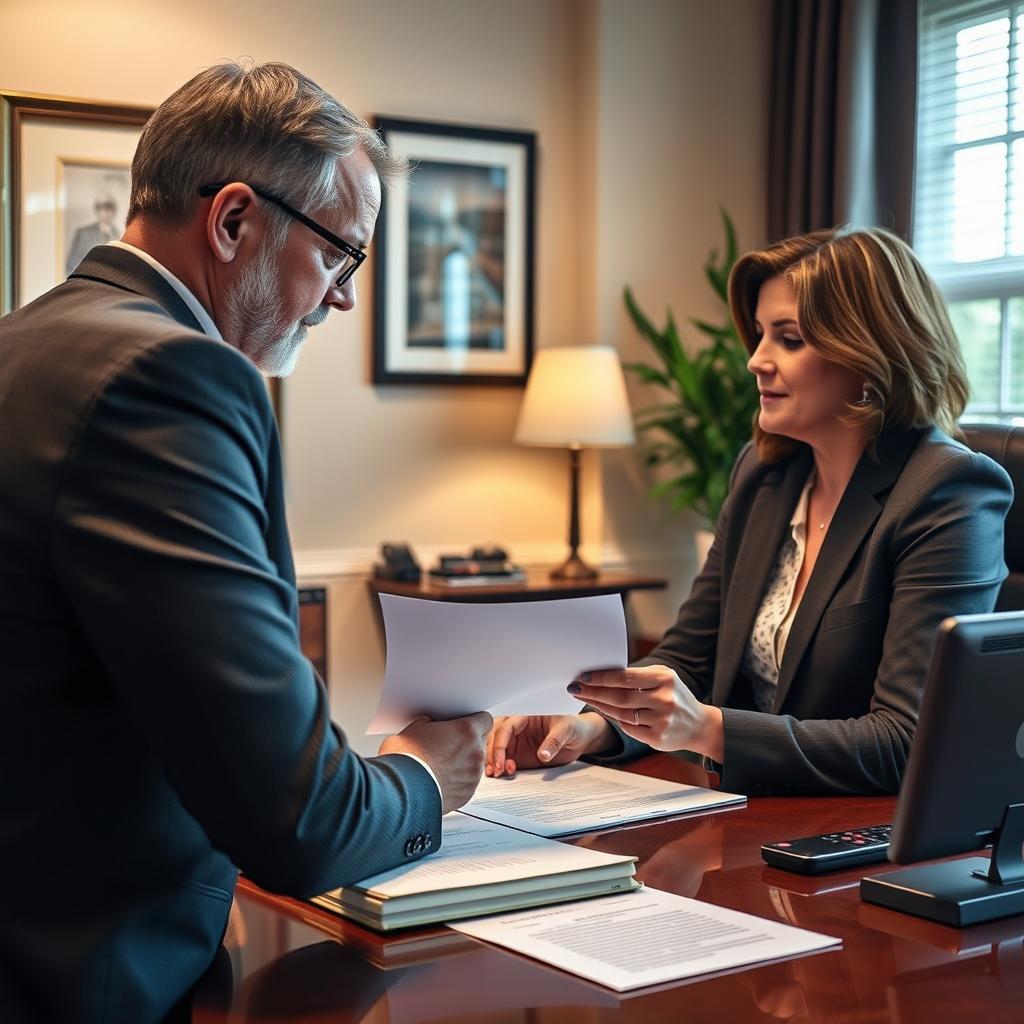
Do I need a will in Charlottesville
No, Virginia law does not require you to have a will. However, without a will, your assets will be distributed according to Virginia’s intestacy statutes—rules that may not reflect your personal wishes or the needs of your family. For residents of Charlottesville and Albemarle County, a properly drafted will provides clarity, helps reduce family uncertainty, and can simplify the probate process at the Albemarle County Circuit Court. Whether you are a longtime homeowner in the Downtown Mall area, a member of the University of Virginia community, or someone with a blended family, a will allows you to name beneficiaries, designate guardians for minor children, and choose a trusted executor to manage your estate. A will also forms the foundation of a broader estate plan that can include powers of attorney, advance medical directives, and trust instruments. To discuss your specific estate planning goals, call Law Offices Of SRIS, P.C. at (888) 437-7747. Law Offices Of SRIS, P.C. – Advocacy Without Borders.
Why a Will Matters for Charlottesville Residents
Charlottesville’s historic character and close-knit neighborhoods mean that many families hold real estate, heirlooms, and closely held businesses they want to pass to the next generation in a specific way. A will ensures that your intentions are honored. Without one, Virginia’s default rules will divide your property—often splitting assets among surviving family members in ways that can create conflict or overlook important personal relationships.
Under Virginia law, the probate court oversees the distribution of your estate. In the City of Charlottesville and surrounding Albemarle County, the Circuit Court handles probate administration. If you have a valid will, the court appoints the executor you named to carry out your instructions. If you die intestate, the court appoints an administrator, and the process may take longer and cost more. Virginia does not impose a state estate tax, and the federal estate tax exemption is currently over fifteen million dollars per individual; however, the non‑tax reasons for creating a will remain compelling for most people.
For small estates that meet certain criteria, a streamlined affidavit procedure is available under Virginia law, but for larger estates—or when real property is involved—full probate is usually required. Mr. Sris and the firm’s Of Counsel attorneys assist Charlottesville‑area clients with will drafting, estate administration, and related trust and estate matters. Results may vary.
Frequently Asked Questions About Wills in Charlottesville
What happens if I die without a will in Virginia?
If you die without a will, Virginia’s intestacy laws determine who receives your property, and the result may not match your wishes. Generally, your assets pass to your closest relatives according to a fixed formula. If you are married, your spouse may receive only a share, and children from a prior relationship could receive a portion as well. Unmarried partners, friends, and charities receive nothing under intestacy. The court also appoints an administrator for your estate, which can add time and expense. A will allows you to control the distribution of your assets and name the person who will administer your estate.
How does probate work in Charlottesville, Virginia?
Probate in Charlottesville is handled by the Albemarle County Circuit Court, where the will is proved and the executor is qualified to manage the estate. After a death, the executor files the original will with the clerk. The court then issues an order confirming the executor’s authority. The executor inventories the estate, pays debts and taxes, and distributes the remaining assets according to the will. For an uncontested estate with a clear will, the process is generally straightforward. Disputes or unclear provisions can prolong probate. Having an experienced attorney guide you through the process helps avoid delays and mistakes.
Do I need a lawyer to make a will in Virginia?
Virginia does not require that a lawyer draft your will, but using one greatly reduces the risk of errors that could invalidate the document. A self‑written or form will must meet strict execution requirements: it must be in writing, signed by you at the end, and witnessed by two competent persons at the same time. Common mistakes include improper witnessing, ambiguous language, or failure to account for all assets. An attorney ensures the will complies with Virginia law and integrates with the rest of your estate plan. For guidance on your specific situation, reach Law Offices Of SRIS, P.C. at (888) 437-7747.
How much does it cost to create a will in Charlottesville?
The cost of creating a will varies depending on the complexity of your estate and the level of planning you need. A straightforward will for a single person with modest assets is less expensive than a comprehensive plan that includes testamentary trusts, business succession provisions, or special-needs planning. Many attorneys charge a flat fee for basic will packages and an hourly or project‑based fee for more involved work. During an initial consultation, an attorney can evaluate your situation and provide a fee estimate. To discuss the details of your matter, contact Law Offices Of SRIS, P.C. at (888) 437-7747.
What is the difference between a will and a living trust?
A will takes effect only after your death, while a living trust can manage your assets during your lifetime and pass them to beneficiaries outside of probate. A living trust involves transferring ownership of assets to the trust while you are alive. You can serve as your own trustee and retain full control. After your death, the successor trustee distributes the trust property according to your instructions, often without court involvement. A will is still important to cover any assets not titled in the trust. The choice between a will, a trust, or a combination of both depends on your goals and the nature of your assets.
Can I write my own will in Virginia?
Yes, you may write your own will, but it must meet all Virginia legal formalities or it may be rejected by the probate court. In Virginia, holographic (handwritten) wills are not recognized; the will must be typed, signed, and witnessed by two competent adults who observe your signature. Do‑it‑yourself forms often fail to address Virginia‑specific requirements, such as the need for an executor to post bond unless the will waives it, or whether the will disposes of all assets properly. Because an invalid will leads to intestate distribution, having an attorney review or prepare your will is a prudent step.
How often should I update my will?
You should review your will every few years and update it after major life events, such as marriage, divorce, the birth or adoption of a child, a significant change in assets, or a move to a new state. A will that no longer reflects your circumstances can cause the very problems you intended to prevent. Minor changes can be made through a codicil, but a full restatement is often simpler and clearer. Even without a life change, periodic reviews allow you to confirm that your executor and beneficiaries remain appropriate. An attorney can help you decide whether an update is necessary.
How do I find a wills and trusts lawyer in Charlottesville?
Look for a lawyer who concentrates their practice in estate planning and is familiar with Albemarle County courts and Virginia probate law. You can seek referrals from financial advisors, accountants, or other professionals, or contact the Virginia State Bar’s Lawyer Referral Service. When you meet with an attorney, ask about their experience with will drafting, probate administration, and trust creation in the Charlottesville area. For a consultation, reach Mr. Sris and the firm’s Of Counsel attorneys at (888) 437-7747.
About Mr. Sris and the Firm’s Of Counsel Attorneys
Mr. Sris, Owner and Founder of Law Offices Of SRIS, P.C., is a former prosecutor who founded the firm in 1997. He practices across Virginia, Maryland, the District of Columbia, New Jersey, and New York. Mr. Sris testified before the Virginia House Courts of Justice Committee in support of 2019 HB 635 (chief patron Del. David Bulova).
The firm’s Of Counsel attorneys bring additional experience in trust and estate matters, including will drafting, probate, estate administration, and fiduciary litigation. Together, Mr. Sris and the firm’s Of Counsel attorneys bring extensive combined legal experience. Results may vary.
Related pages:
Estate Planning Lawyer Charlottesville, VA
Probate Lawyer Charlottesville, VA
Wills and Trusts Lawyer Charlottesville, VA
Advance Medical Directive Lawyer Charlottesville, VA
Guardianship Lawyer Charlottesville, VA
Attorney advertising. Prior results do not guarantee a similar outcome.
Results may vary.
Case results depend on a variety of factors unique to each case.