
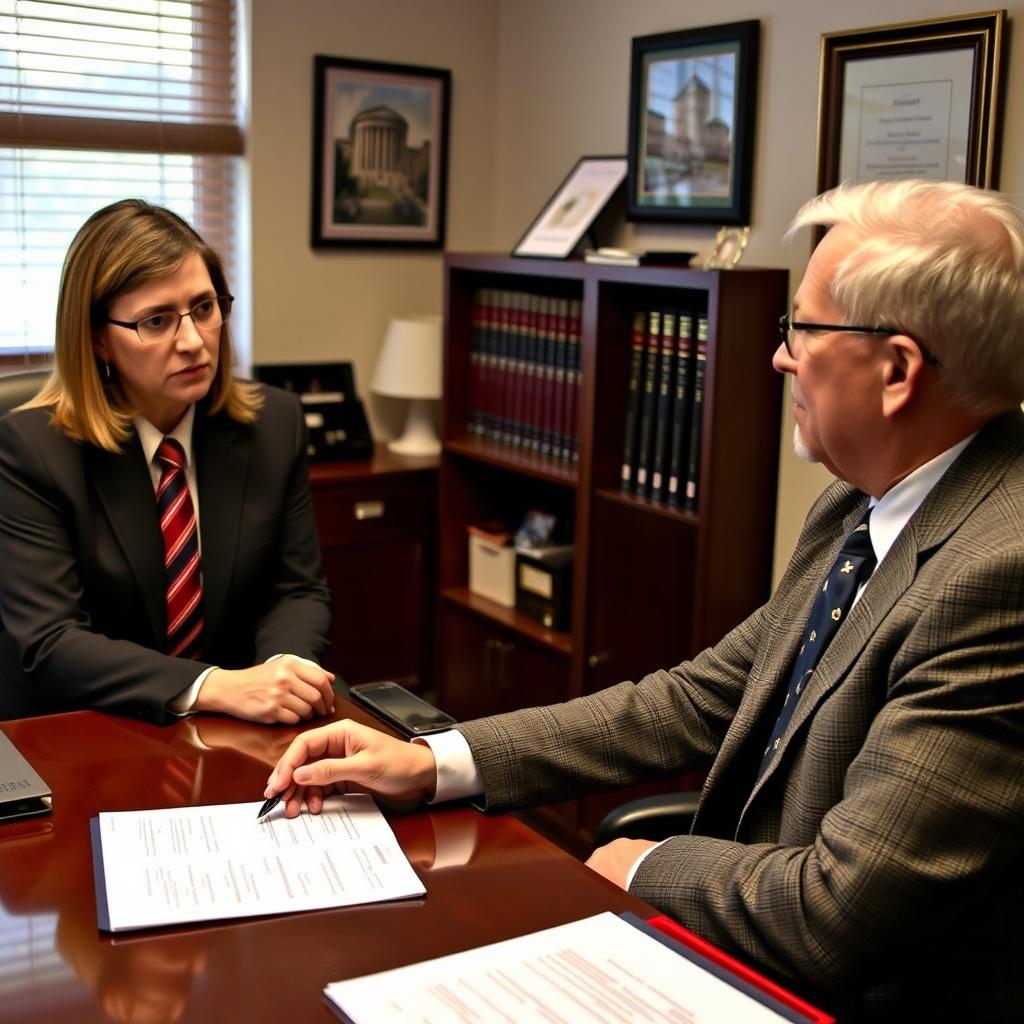
Debt Collection Lawyer Chesterfield County
A Debt Collection Lawyer Chesterfield County defends you against aggressive creditors and collectors. Law Offices Of SRIS, P.C.—Advocacy Without Borders. provides direct legal defense for debt lawsuits and harassment. We handle cases in Chesterfield County General District Court. Our team knows local procedures to protect your rights and assets. You need a lawyer to challenge improper collection actions. (Confirmed by SRIS, P.C.)
Statutory Definition of Debt Collection Actions in Virginia
Virginia law defines permissible debt collection under the Virginia Consumer Protection Act and federal Fair Debt Collection Practices Act. These statutes govern how creditors and third-party collectors can pursue consumer debts. A Debt Collection Lawyer Chesterfield County uses these laws to challenge improper tactics. Violations can lead to lawsuits against the collector. The primary Virginia statute is § 59.1-200. This law prohibits deceptive practices in consumer transactions. It covers false representations about the character of a debt. It also covers threats of legal action not intended to be taken.
§ 59.1-200 — Unfair Trade Practice — Civil Penalties up to $2,500 per violation. This Virginia statute forms the basis for challenging abusive debt collection. It is a civil law, not criminal. Successful claims can result in damages and injunctive relief. The law is enforced through private lawsuits in Virginia courts. It works alongside federal FDCPA rules for a layered defense.
Federal law provides additional protections under 15 U.S.C. § 1692. The Fair Debt Collection Practices Act sets national standards. It restricts communication times and harassment methods. It requires validation of debts upon request. A Chesterfield County debt collector defense lawyer uses both state and federal law. This dual approach maximizes your legal defense options. Understanding these statutes is the first step in building a case.
What constitutes illegal creditor harassment under Virginia law?
Illegal harassment includes repeated calls intended to annoy and threats of violence. Creditors cannot use obscene language or falsely imply you have committed a crime. They cannot threaten arrest for non-payment of a consumer debt. Calling before 8 a.m. or after 9 p.m. is generally prohibited. Misrepresenting the amount owed or the legal status of the debt is illegal. A creditor harassment lawyer Chesterfield County identifies these violations. Documenting each call and letter is critical evidence.
What is the difference between a creditor and a debt collector?
A creditor is the original entity to whom the debt is owed. A debt collector is a third-party agency hired to collect the debt. Different rules apply to each under the FDCPA. The original creditor has more leeway in some communication practices. Third-party collectors are bound by stricter federal regulations. Knowing who is contacting you dictates your legal response. Your Chesterfield County attorney will analyze the caller’s identity and authority.
What legal defenses exist against a debt collection lawsuit?
Common defenses include expiration of the statute of limitations and mistaken identity. You can challenge the creditor’s standing to sue if they lack proper documentation. Improper service of the lawsuit papers is another defense. The debt may have been discharged in bankruptcy. A Debt Collection Lawyer Chesterfield County reviews all documents for procedural errors. Raising these defenses promptly can stop a default judgment. Learn more about Virginia legal services.
The Insider Procedural Edge in Chesterfield County
Chesterfield County General District Court handles most debt collection lawsuits at 9500 Courthouse Road. This court follows specific local rules for civil claims. Filing a response, called a Grounds of Defense, is time-sensitive. Missing a deadline can result in an automatic judgment against you. The court clerks cannot give legal advice. Having a lawyer who knows the courthouse layout and staff is an advantage. Local procedural knowledge prevents fatal mistakes in your case.
What is the timeline for responding to a debt lawsuit?
You typically have 21 days from the date of service to file a written answer. The clock starts when you are served with the Warrant in Debt. Filing an answer preserves your right to a hearing. Failure to respond allows the creditor to seek a default judgment. A default judgment grants them the right to garnish wages or levy bank accounts. Your Chesterfield County lawyer will ensure all filings are timely and proper.
What are the court costs and filing fees?
Filing fees for a defendant are minimal compared to the debt amount. The cost to file an Answer in Chesterfield General District Court is reviewed during a consultation. There may be additional fees for scheduling motions or appeals. The creditor usually pays the initial filing fee to start the case. If you win, you may recover some costs. Your attorney will explain all potential financial obligations upfront.
How are court dates scheduled in Chesterfield County?
The court clerk sets a return date on the Warrant in Debt. This is your first hearing date. It is often a brief initial appearance. The judge may encourage a payment plan agreement. If the case is contested, it will be set for a full trial on a later date. Continuances are difficult to obtain without good cause. A local lawyer manages this calendar effectively.
Penalties & Defense Strategies for Debt Claims
The most common penalty is a monetary judgment allowing wage garnishment. If a creditor wins a lawsuit, they get a court judgment. This judgment is a lien against your property. It enables garnishment of up to 25% of your disposable earnings. Virginia also allows levying on bank accounts. A strategic defense can avoid or reduce these penalties. Learn more about criminal defense representation.
| Offense / Judgment Consequence | Penalty | Notes |
|---|---|---|
| Default Judgment | Full debt amount plus interest and costs | Issued if you fail to answer the lawsuit. |
| Wage Garnishment | Up to 25% of disposable earnings | Federal and state limits apply. Certain income is exempt. |
| Bank Account Levy | Seizure of funds up to judgment amount | You must claim exemptions within a short window. |
| Property Lien | Judgment attaches to real estate | Must be paid upon sale or refinance of the property. |
[Insider Insight] Chesterfield County magistrates and judges see high volumes of debt cases. They often push for stipulated payment agreements at the first hearing. Local prosecutors do not handle these civil matters. The creditor’s attorney acts as the opposing counsel. Many creditors’ firms rely on defendants not showing up. Simply appearing with a lawyer changes the dynamic and leads to better outcomes.
How can a lawyer stop wage garnishment?
A lawyer can file a motion to vacate a default judgment. Challenging the underlying judgment stops the garnishment order. Claiming exemptions for certain income types can protect your wages. Filing for bankruptcy triggers an automatic stay on all collection. An experienced Chesterfield County debt collector defense lawyer knows all available options. Acting quickly after receiving a garnishment notice is essential.
What are the long-term impacts of a debt judgment?
A judgment remains on your credit report for up to seven years. It significantly lowers your credit score. This affects loan approvals, interest rates, and even rental applications. The judgment lien can last for ten years and is renewable. It creates a public record of the debt. Settling or vacating the judgment mitigates these long-term consequences.
Can you negotiate a settlement after a lawsuit is filed?
Yes, negotiation is often possible even after litigation begins. Creditors may accept a lump-sum payment for less than the full amount. They might agree to a structured payment plan. A lawyer negotiates from a position of strength, especially if defenses exist. All settlement terms must be documented in a signed, court-stipulated agreement. This prevents the creditor from pursuing the remaining balance later.
Why Hire SRIS, P.C. for Your Chesterfield County Debt Case
Our lead attorney for financial defense has over a decade of focused litigation experience. He understands the tactics used by collection agencies and their law firms. SRIS, P.C. has secured dismissals and favorable settlements for clients facing debt claims. We prepare every case as if it is going to trial. This readiness forces better settlement offers from the other side. Learn more about DUI defense services.
Attorney Profile: Our Chesterfield County debt defense team is led by a seasoned litigator. He has handled hundreds of debt collection matters in Virginia courts. His practice is dedicated to consumer financial defense. He knows the local judges and common opposing counsel. This familiarity allows for pragmatic and effective case strategy.
The firm’s approach is direct and tactical. We review all creditor documentation for chain-of-title issues. We scrutinize the calculation of interest and fees. We file aggressive motions to dismiss when the law supports it. Our goal is to resolve your matter efficiently while protecting your rights. You need a lawyer who will fight the paperwork battle for you.
Localized FAQs for Chesterfield County Debt Defense
What should I do if a debt collector sues me in Chesterfield County?
Contact a lawyer immediately. Do not ignore the lawsuit papers. You have 21 days to file a written answer with the Chesterfield General District Court. An attorney can assess defenses and respond properly.
Can a debt collector take my house or car in Virginia?
Unsecured debt judgments generally cannot directly seize your primary home or car. However, a judgment becomes a lien on real property. This lien must be paid when you sell or refinance the property.
How long can a debt collector pursue old debt in Virginia?
The statute of limitations for most written contracts in Virginia is three years. For oral contracts, it is three years. The clock starts from the date of your last payment or acknowledgment of the debt. Learn more about our experienced legal team.
What counts as proof of a debt in court?
The creditor must produce the original signed agreement or application. They need account statements showing the charged-off balance. They must prove they own the debt if it was sold. Lack of proof is a strong defense.
Are there income sources protected from garnishment in Chesterfield?
Yes, Social Security, SSI, VA benefits, and child support are generally exempt. A portion of your wages is also protected. You must file a claim of exemption with the court to stop garnishment of protected funds.
Proximity, CTA & Disclaimer
Our Chesterfield County Location is strategically positioned to serve clients facing debt lawsuits. We are accessible from across the county. Consultation by appointment. Call 24/7. Our legal team is ready to discuss your debt collection defense. We provide direct representation in Chesterfield General District Court. For persistent creditor harassment or a filed lawsuit, immediate action is required.
Law Offices Of SRIS, P.C.
Consultation by appointment. Call 24/7.
Past results do not predict future outcomes.
Past results do not predict future outcomes.