
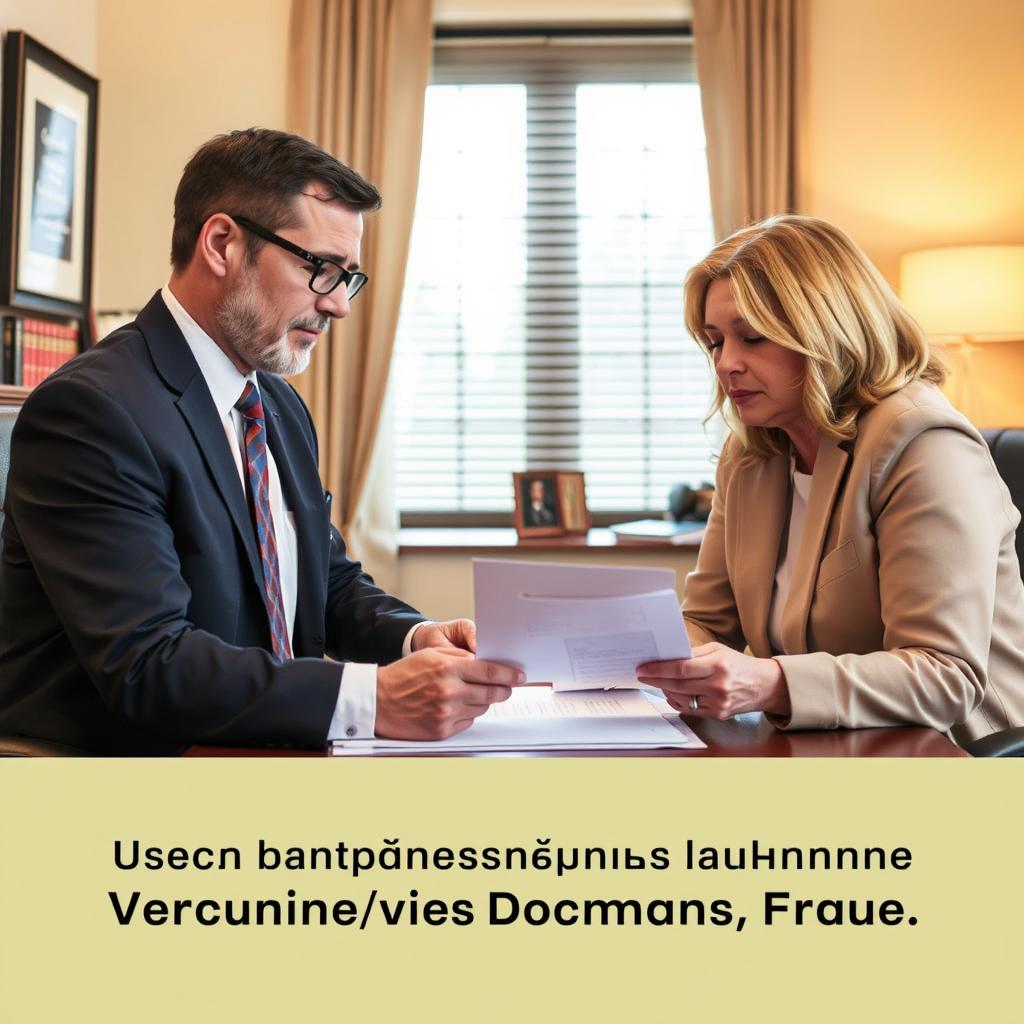
Visa/Permit/Document Fraud lawyer Charlottesville, VA
Federal visa, permit, and document fraud charges in the Charlottesville area place the full resources of the U.S. Attorney’s Office for the Western District of Virginia against you. These are felony offenses prosecuted in the U.S. District Court, often after lengthy investigations by agencies such as the FBI, ICE, or the Department of State’s Diplomatic Security Service. A conviction can lead to decades of imprisonment, substantial fines, and immigration consequences for non-citizens. Mr. Sris, Owner and Founder of Law Offices Of SRIS, P.C., and his Of Counsel team concentrate a significant portion of their practice on federal criminal defense, including fraud matters arising from visa applications, work permits, green‑card petitions, and other immigration‑related documents. Because federal prosecutors routinely pursue charges under the mail‑fraud, wire‑fraud, and conspiracy statutes, an early defense strategy is critical. To request a consultation about your situation, call (888) 437‑7747.
What Visa, Permit, and Document Fraud Means in Charlottesville
When a person is investigated or charged in connection with a fraudulent visa, work permit, or other immigration document in Charlottesville, the matter is handled at the federal level. The U.S. District Court for the Western District of Virginia, Charlottesville Division, at 255 West Main Street, is the venue for all felony filings. The U.S. Attorney’s Office for the Western District prosecutes these cases, often in coordination with Homeland Security Investigations or the FBI. Because the Charlottesville area is home to international students, researchers at the University of Virginia, and professionals on employment‑based visas, document‑fraud allegations can arise in academic, corporate, or family‑sponsorship contexts.
Charges are typically brought under 18 U.S.C. § 1341 (mail fraud), § 1343 (wire fraud), or the broader conspiracy statute at § 1349. Depending on the alleged conduct, the government may also charge false statements under Verify citation and add to Registry., identity fraud under Verify citation and add to Registry., or immigration‑document fraud under Verify citation and add to Registry.. Convictions can carry maximum prison terms of 20 to 30 years, and the federal sentencing guidelines often produce significant custodial sentences. The federal system has no parole, so any prison term must be served day‑for‑day with only limited good‑time credit. Mr. Sris and his Of Counsel appear regularly in the Charlottesville Division and understand the local practices of the judges, magistrate judges, and the Assistant U.S. Attorneys assigned to these cases.
Mail‑ and wire‑fraud offenses, including those used to prosecute visa and document fraud, carry a maximum term of 20 years’ imprisonment (30 years if the offense affects a financial institution).
Source: 18 U.S.C. § 1341 (mail fraud) & § 1343 (wire fraud). Cornell LII
Reviewed by Mr. Sris, admitted in VA/MD/DC/NJ/NY.
How Mr. Sris and His Of Counsel Handle Visa/Permit/Document Fraud Cases
Federal fraud investigations often begin with a knock on the door from an agent, a grand‑jury subpoena, or a target letter. From that moment, every statement a person makes can become evidence. Mr. Sris and his Of Counsel immediately engage to control the flow of information, determine whether the client is a target or a witness, and communicate with the prosecutor to assess the direction of the investigation. Early intervention frequently leads to a declination of prosecution or a more favorable charging decision.
Once charges are filed, the team reviews every piece of discovery—warrant affidavits, email chains, USCIS records, bank statements, and electronic evidence—to identify legal and factual weaknesses. Motions to suppress evidence obtained in violation of the Fourth Amendment, challenges to the sufficiency of the indictment, and negotiations aimed at a pretrial resolution are all part of the defense. If a case proceeds to trial, Mr. Sris and his Of Counsel present a thorough, well‑prepared defense before a jury. Throughout the process, the client is advised of the immigration consequences of any plea and of the steps that can preserve or restore lawful status. To request a consultation about a federal fraud matter, call (888) 437‑7747.
About Mr. Sris and His Of Counsel Team
Mr. Sris, Owner and Founder of Law Offices Of SRIS, P.C., founded the firm in 1997 after his own service as a prosecutor. That prosecutorial background gives him firsthand insight into how federal agents and Assistant U.S. Attorneys build fraud cases. Mr. Sris testified before the Virginia House Courts of Justice Committee in support of 2019 HB 635 (chief patron Del. David Bulova). He is admitted to practice in Virginia, Maryland, the District of Columbia, New Jersey, and New York, and he concentrates his practice on criminal defense, including federal fraud matters. The firm’s Of Counsel attorneys, engaged through Excella, bring deep trial experience and work collaboratively with Mr. Sris on every case. This team approach means that every client benefits from the collective insight of attorneys who have handled hundreds of federal criminal matters.
Frequently Asked Questions
How does a Virginia lawyer defend against visa, permit, or document fraud charges?
An experienced federal criminal attorney examines the evidence for constitutional violations, challenges the government’s proof of intent, and explores whether the client made a genuine mistake rather than a knowing misrepresentation. In many cases, the defense involves showing that the application or document was truthful when submitted, or that any error was clerical rather than fraudulent. Negotiating a pretrial resolution—such as a deferred prosecution agreement or a plea to a lesser charge—is also a common strategy. Every case turns on its own facts, and the approach is tailored to the specific charges and the client’s immigration status. For guidance on your specific situation, reach Law Offices Of SRIS, P.C. at (888) 437‑7747.
What should I do if I am facing visa, permit, or document fraud charges in Virginia?
First, do not speak to any law enforcement agent or investigator without a lawyer present. Anything you say can be used against you in a federal prosecution. Second, preserve all documents, emails, and messages related to the visa or permit at issue—do not delete or destroy anything, as that can lead to obstruction charges. Third, contact a federal criminal defense attorney as soon as possible; early engagement can influence charging decisions and release conditions. Mr. Sris and his Of Counsel are available to discuss your matter; call (888) 437‑7747 to schedule a consultation.
Do I need a federal criminal defense lawyer for visa fraud in Charlottesville?
Yes. Federal visa‑fraud charges are prosecuted by the U.S. Attorney’s Office in the Western District of Virginia and carry the potential for substantial prison time and immigration removal. State‑court experience does not translate directly to federal practice, which has distinct rules of procedure, sentencing guidelines, and detention standards. Retaining counsel early—before an indictment—can materially affect the outcome. Law Offices Of SRIS, P.C. Concentrates on federal criminal defense; call (888) 437‑7747 to request a consultation.
What are the potential penalties for federal document fraud?
Convictions for mail fraud, wire fraud, or immigration‑document fraud can result in prison terms of up to 20 or 30 years, depending on the specific statute. Fines can reach $250,000 for an individual or $500,000 for an organization. In addition, non‑citizens face removal from the United States. The federal sentencing guidelines take into account the amount of loss, the number of victims, and the defendant’s role in the offense, all of which can increase the advisory sentencing range. For a detailed analysis of how the guidelines apply to your case, contact the firm at (888) 437‑7747.
What is the statute of limitations for federal visa fraud charges?
The general federal statute of limitations for non‑capital offenses is five years from the date of the offense (Verify citation and add to Registry.). However, certain fraud statutes, including bank fraud and offenses affecting a financial institution, carry a ten‑year limitation period. The specific deadline that applies depends on the precise charges and the facts of the case. Because the calculation can be complex, a prompt consultation with counsel is important. To discuss the details of your matter, contact Law Offices Of SRIS, P.C. at (888) 437‑7747.
How does the federal court process work in Charlottesville for fraud charges?
After an arrest or indictment, the first appearance is before a U.S. Magistrate Judge at the Charlottesville courthouse. The magistrate will advise you of the charges, appoint counsel if you cannot afford one, and address release or detention. If the case is not resolved, it proceeds to trial before a U.S. District Judge. Throughout the process, the defense can file motions, negotiate with the government, and prepare for trial. Mr. Sris and his Of Counsel handle all phases of federal litigation. Call (888) 437‑7747 to learn more.
Attorney advertising. Prior results do not guarantee a similar outcome. Results may vary. Case results depend on a variety of factors unique to each case. Attorney responsible for this advertising: Mr. Sris.